Reinventing the Stones: The Story of 'Black and Blue
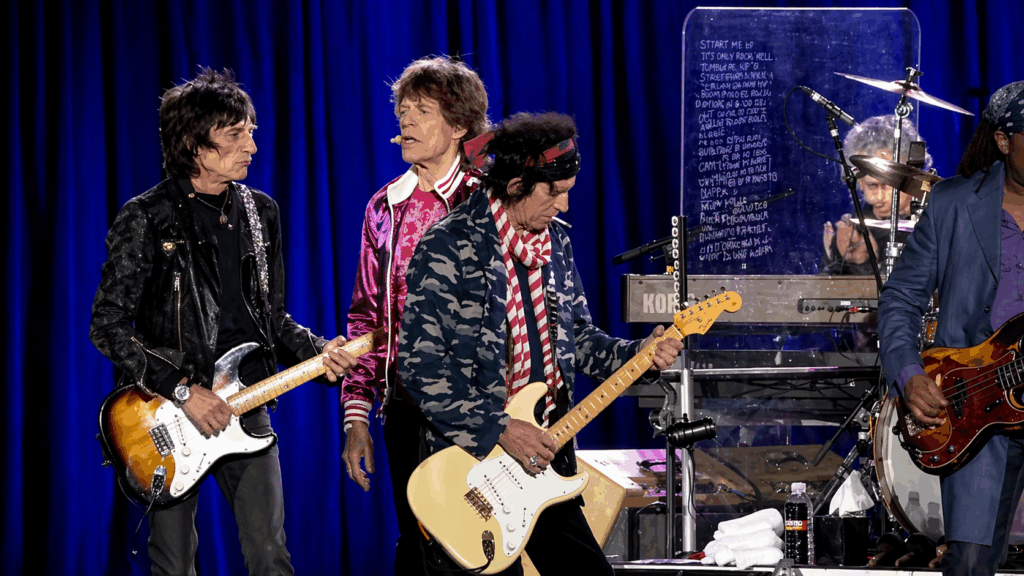
The Rolling Stones reached the height of their commercial success in the mid-1970s, with chart-topping albums and sold-out tours. However, behind the scenes, internal tensions and fatigue began to affect the band's creativity. Despite their previous acclaimed albums, the band's momentum started to decline after "Exile on Main St." The recording of "It's Only Rock 'n Roll" saw Keith Richards' absence, and live performances felt less inspired.
In an effort to revitalize their sound, The Rolling Stones embarked on recording sessions in Munich and the Netherlands in late 1974 and early 1975. The departure of guitarist Mick Taylor led to a search for a replacement, with Ronnie Wood eventually joining the band. The transition was not seamless, and recording sessions were interrupted by touring in mid-1975, leading to a prolonged process to complete the album.
"Black and Blue," released in April 1976, showcased a departure from the band's traditional rock sound, incorporating funk, soul, jazz, and reggae influences. While the album received mixed reviews, tracks like "Fool to Cry" and "Hot Stuff" stood out and achieved commercial success. The album featured contributions from notable musicians like Billy Preston and Nicky Hopkins, with Ronnie Wood solidifying his position as a full-time member.
"Black and Blue" captured The Rolling Stones at a crossroads, balancing their commercial dominance with a search for a new musical identity and grappling with the weight of their legacy.