Tracking Beaver Colonization in the Arctic: A Study of Ecosystem Engineering and Environmental Change
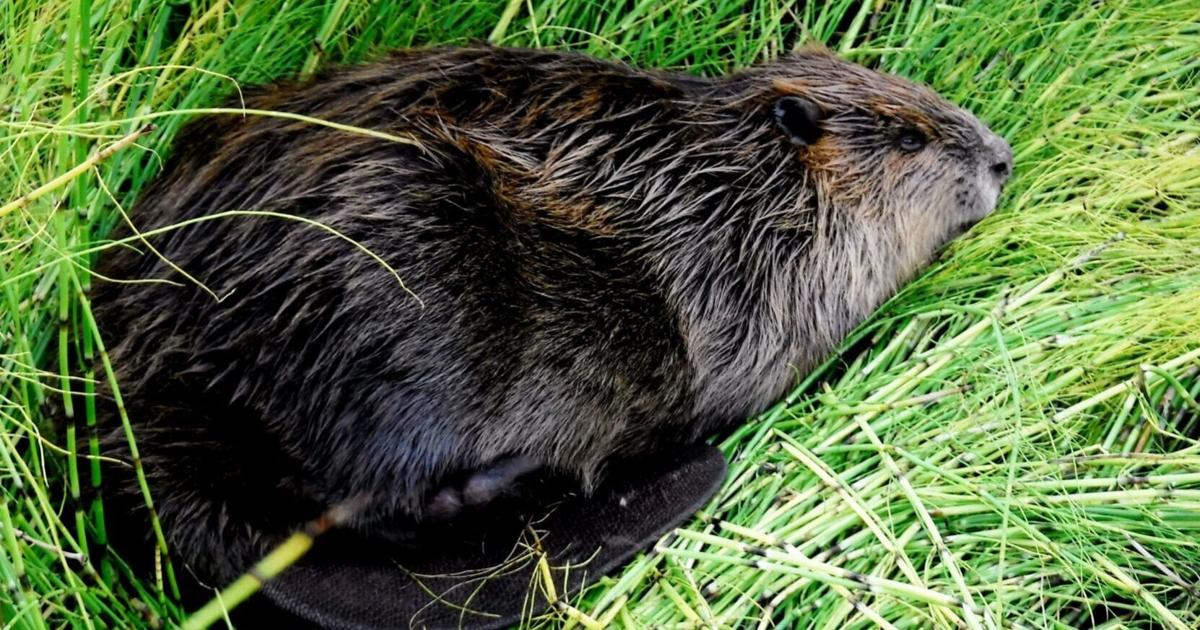
Beavers have been making their way into the Arctic, leaving a noticeable mark on the landscape as they expand their territory. Researchers have been able to track the movement of beavers within the Arctic Circle by analyzing tree rings for beaver browsing scars and using satellite imagery to identify dams and changes in surface water. This study, published in the journal Ecosphere, provides evidence of beaver activity dating back to 2008.
Beavers are known as ecosystem engineers, capable of altering landscapes through dam-building. Their activities can affect permafrost stability, water flow, fish populations, and local livelihoods. By examining the scars left by beaver browsing and the hydrological changes caused by their dams, researchers can create a timeline of beaver colonization in the region.
The expansion of beavers into the Arctic is believed to be driven by climate change, as the Arctic tundra experiences increased shrub growth. Willow and alder, important food and construction sources for beavers, have become more abundant with rising temperatures. Working with the Indigenous environmental guardian group, the Imaryuk Monitors, the research team surveyed locations in the Inuvialuit Settlement Region to document beaver lodges and dam sites.
Satellite analysis revealed a significant increase in surface water at a large lodge-dam complex between 2015 and 2019, corresponding to intense browsing activity recorded in shrub-ring samples. This alignment between satellite data and field observations confirms the impact of beavers on the landscape. The research team's approach can help track environmental changes and support local communities and decision-makers in understanding the dynamics of beaver colonization.
The study demonstrates a novel method for reconstructing wildlife activity in regions where long-term field observations are lacking. By analyzing browsing scars in willow and alder and correlating them with hydrological changes detected through satellite imagery, researchers can pinpoint the presence of beavers in the Arctic. This research provides valuable insights into the historical colonization of beavers in rapidly changing Arctic environments.
The study was conducted as part of the BARIN project funded by CINUK, the Canada-Inuit Nunangat-United Kingdom Arctic Research Programme. This innovative research sheds light on the impact of beavers on Arctic ecosystems and highlights the importance of monitoring their expansion in the face of climate change.