Van Halen: A Journey Through Their Iconic Albums
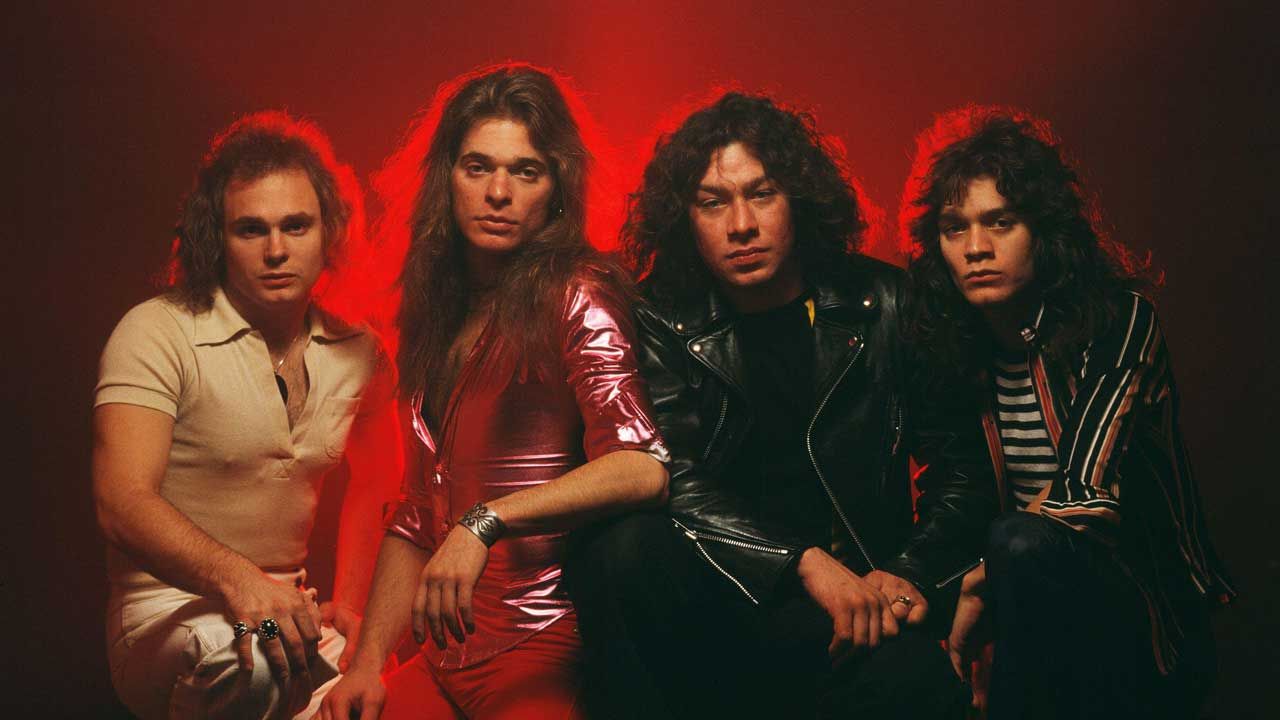
Van Halen's self-titled debut album, released in 1978, marked the explosive arrival of the band with its technical prowess and daring attitude. The album's standout track, "Eruption," showcased Eddie Van Halen's guitar virtuosity, while other songs like "Runnin' With The Devil" and "On Fire" added to the album's senses-shattering impact.
In 1984, Van Halen released their album "1984," which featured the hit single "Jump" that propelled the band to mainstream success. The album's mix of keyboard-driven pop hits like "I'll Wait" and hard rock anthems like "Panama" and "Hot For Teacher" solidified Van Halen's place in the music scene. However, the departure of David Lee Roth in 1985 marked the end of an era for the band.
Following their successful debut, Van Halen released their second album, "Van Halen II," in 1979. The album, recorded in just six days, captured a more playful and energetic vibe compared to its predecessor. Tracks like "Dance The Night Away" and "Beautiful Girls" showcased the band's lighter side while maintaining their signature rock sound.
"Diver Down," released in 1982, featured a mix of cover songs and original material, highlighting the band's versatility. Despite its short length and cover-heavy tracklist, the album was well-received for its energetic performances and standout tracks like "Secrets."
In 1981, Van Halen released "Fair Warning," a darker and edgier album that pushed the boundaries of their sound. Tracks like "Mean Street" and "Unchained" showcased the band's raw energy and experimental approach, while the album's cover art reflected its unconventional nature.
"Women And Children First," released in 1980, solidified Van Halen's status as a hard rock powerhouse. The album featured a mix of hard-hitting tracks like "Tora! Tora!" and more experimental songs like "Could This Be Magic?" that showcased the band's range and creativity.
With the release of "5150" in 1986, Van Halen introduced Sammy Hagar as their new lead singer, marking a new chapter in the band's history. The album's keyboard-driven hits like "Why Can't This Be Love" and "Dreams" showcased a different sound for the band, but lacked the spark of classic Van Halen.
"For Unlawful Carnal Knowledge," released in 1991, continued the band's successful collaboration with Sammy Hagar. The album featured standout tracks like "Poundcake," "Top Of The World," and "Right Now," showcasing the band's continued musical evolution.
"OU812," released in 1988, showcased a mix of heavy tracks and hit singles that highlighted the band's versatility. While the album had its ups and downs, tracks like "Black And Blue," "When It's Love," and "Finish What Ya Started" demonstrated the band's ability to craft memorable songs.
"Van Halen III," released in 1998 with Gary Cherone as the new lead singer, marked a low point for the band. The album's lackluster reception and poor sales reflected the mismatch between Cherone and the band's sound, leading to a 14-year hiatus before their next album.