Clint Eastwood's Stance Against Hollywood Remakes: A Reflection on Originality in Filmmaking
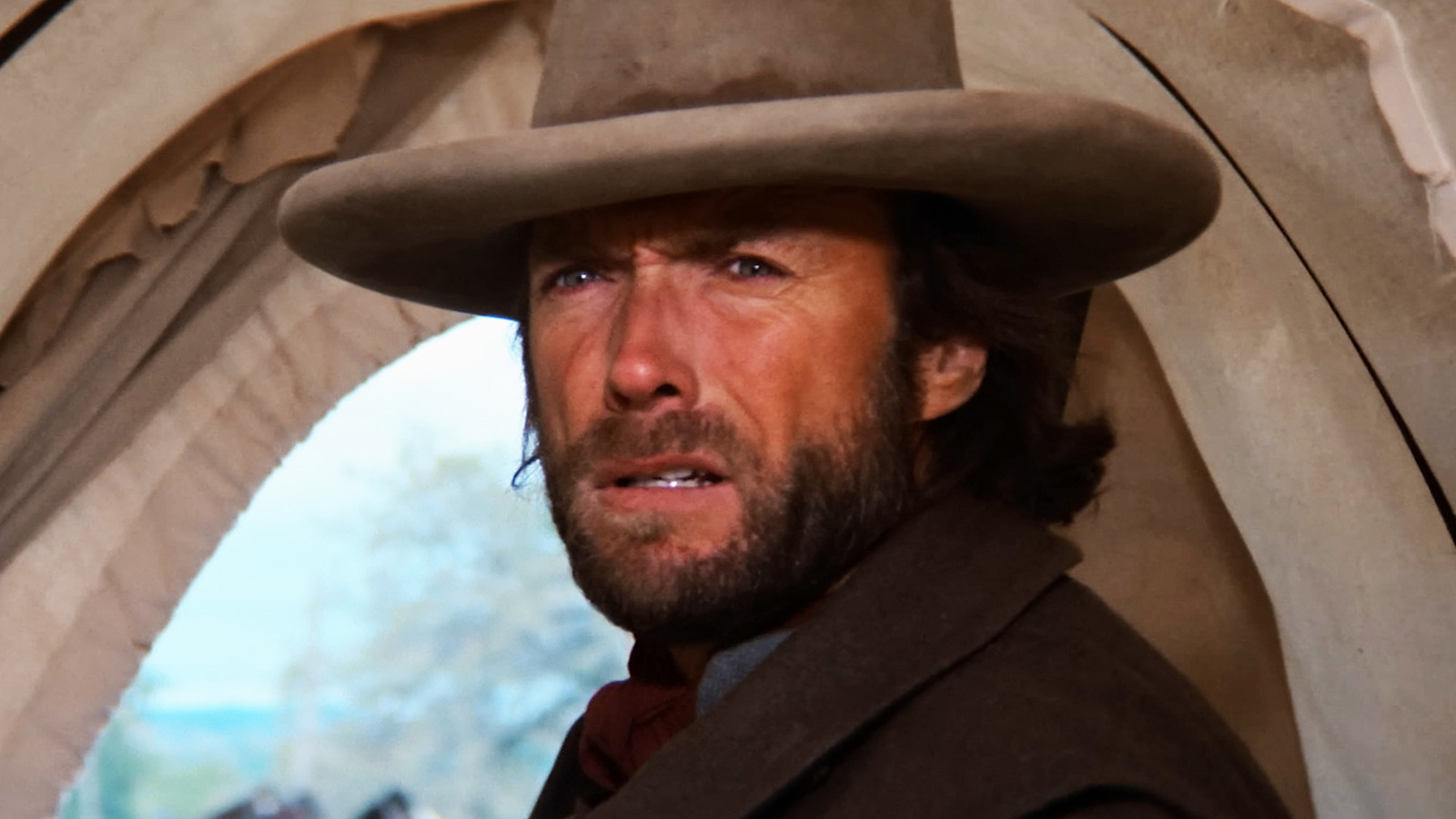
Clint Eastwood, known for his iconic Western films, has a strong stance against remaking his own works. Hollywood has a long history of remakes, dating back to the early days of sound in film. John Wayne, for example, starred in a remake of a silent Western film in the 1930s. Despite some successful remakes like the 1966 version of "Stagecoach," many remakes fail to capture the magic of the original and can be seen as a sign of creative stagnation.
Eastwood, in a 2011 interview, expressed his disdain for the Hollywood trend of remakes. He highlighted the importance of originality and criticized the industry's reliance on rehashing old stories. While some remakes, like the Japanese version of "Unforgiven," can bring a fresh perspective to a familiar tale, many Hollywood remakes lack innovation and fail to resonate with audiences.
In addition to his views on remakes, Eastwood also commented on the cyclical nature of trends in filmmaking. He compared Hollywood's obsession with remakes to the rise and fall of 3D movies, noting that both trends can experience backlash from audiences. Despite the ebb and flow of certain filmmaking trends, remakes have remained a constant presence in Hollywood, driven by studios' desire to minimize financial risk.
As the film industry continues to prioritize established intellectual properties over new and original ideas, the landscape of cinema is evolving. With audience attendance at theaters declining, studios are turning to familiar stories and franchises to attract viewers. In this climate, Clint Eastwood's stance against remakes serves as a reminder of the importance of creativity and originality in filmmaking.