Exploring the Dark Whimsy of Tim Burton's 'Charlie and the Chocolate Factory
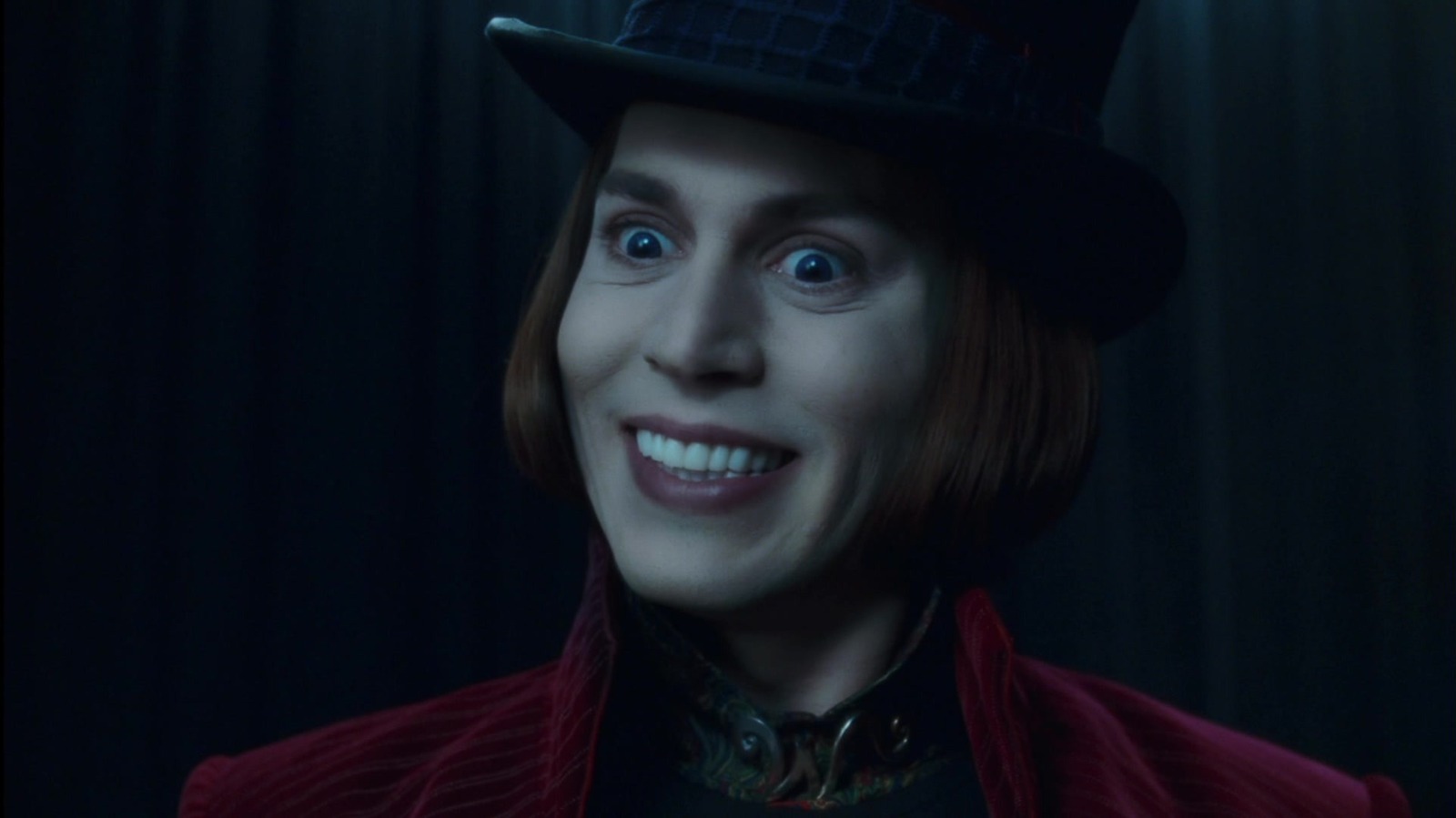
Tim Burton's 2005 adaptation of Roald Dahl's beloved tale, "Charlie and the Chocolate Factory," presents a unique blend of whimsy and darkness. Despite receiving positive reviews from critics and being a box office success, the film has not stood the test of time as a fan favorite. Many viewers now consider it one of Burton's lesser works, with the 1971 adaptation, "Willy Wonka & the Chocolate Factory," starring Gene Wilder, being the more cherished version.
In Burton's film, young Charlie Bucket, played by Freddie Highmore, lives in poverty with his family in a peculiar version of England. The iconic Wonka Chocolate Factory looms large in their town, producing magical sweets that captivate the imagination. Charlie's father, portrayed by Noah Taylor, loses his job at a toothpaste factory, emphasizing the family's financial struggles.
Fans of Burton's earlier film, "Batman," may notice a subtle connection in the toothpaste brand mentioned in "Charlie and the Chocolate Factory." The use of "Smilex" as a toothpaste name echoes the sinister chemical compound created by the Joker in "Batman," played by Jack Nicholson. In the superhero film, Smilex is a deadly poison that induces uncontrollable laughter and grotesque facial transformations, adding a dark undertone to the toothpaste reference in Burton's adaptation.
The inclusion of Smilex toothpaste in the narrative of "Charlie and the Chocolate Factory" hints at a hidden danger lurking in the story's world. While the toothpaste factory serves as a backdrop for Mr. Bucket's mundane job, the reference to a lethal chemical compound adds a layer of intrigue and darkness to the whimsical tale.