Exploring Vigilantism: A Deep Dive into James Wan's 'Death Sentence
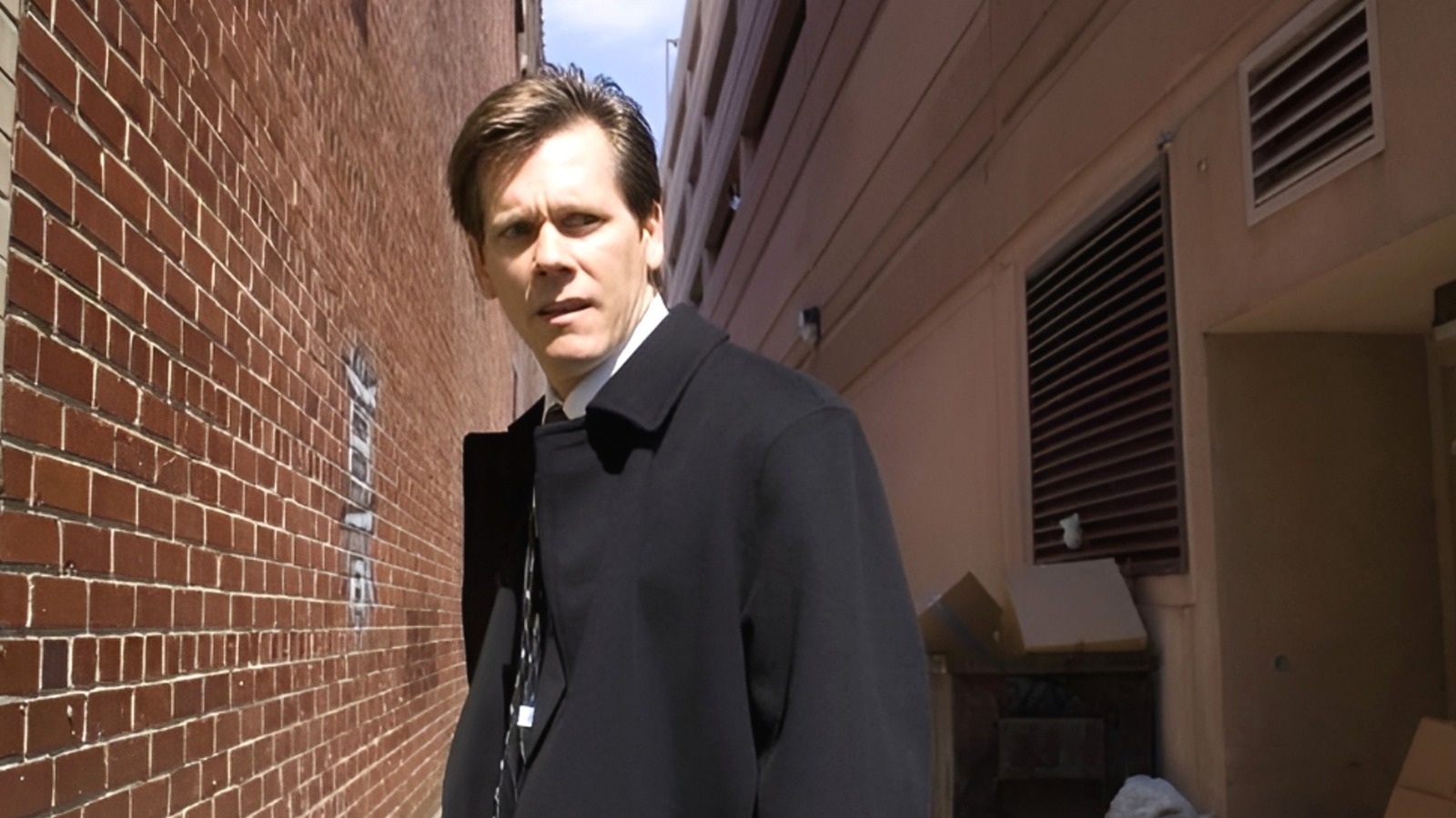
James Wan is known for his expertise in creating horror films that push the boundaries of audience expectations. From "Saw" to "Malignant," Wan's films often start with simple ideas that escalate into intense and thrilling experiences. While not all of his films become box-office hits, there is more to them than just mindless action. "Death Sentence," starring Kevin Bacon as Nick Hume, explores the concept of an ordinary man forced to become a vigilante after a tragic event.
The theme of an average person stepping up to become a hero is a common thread in many stories, such as in the game "Silent Hill" and the movie "The Terminator." In "Death Sentence," Nick Hume's transformation from an insurance executive to a vigilante is a compelling journey filled with emotion and intensity. The film, loosely based on Brian Garfield's novel, delves into the consequences of seeking revenge and the toll it takes on Nick's psyche.
While "Death Sentence" is filled with action-packed sequences and intense shootouts, it also raises questions about the morality of vigilantism. The film's portrayal of Nick's descent into violence is nuanced and complex, showing the destructive nature of his actions. Director James Wan skillfully builds tension and atmosphere throughout the film, highlighting Nick's inner turmoil and motivations.
Despite some flaws in its thematic execution, "Death Sentence" offers plenty of thrills and excitement for viewers. Brian Garfield, the author of the original novel, praised the film for its ability to connect with audiences and depict the consequences of vengeful actions. While the film may have its shortcomings, it is undeniably a well-crafted and engaging addition to James Wan's filmography.