Navigating the Education System: Walter's Journey with Emotional and Behavioral Disorders
Walter's early years were marked by aggression and turmoil, with his father's violence and his mother's disability shaping his behavior. By kindergarten, Walter's disruptive actions led to his placement in a high-security public school for students with emotional or behavioral disorders (EBD). The EBD label, which does not require a medical diagnosis, often follows students throughout their education, segregating them from their peers.
At River Bend Education Center, a school for EBD students, Walter found a supportive environment but also faced limitations in his educational opportunities. The EBD label, while providing necessary services, can also restrict students' choices and impact their future. Walter's journey through the education system highlighted the challenges and stigma associated with the EBD designation.
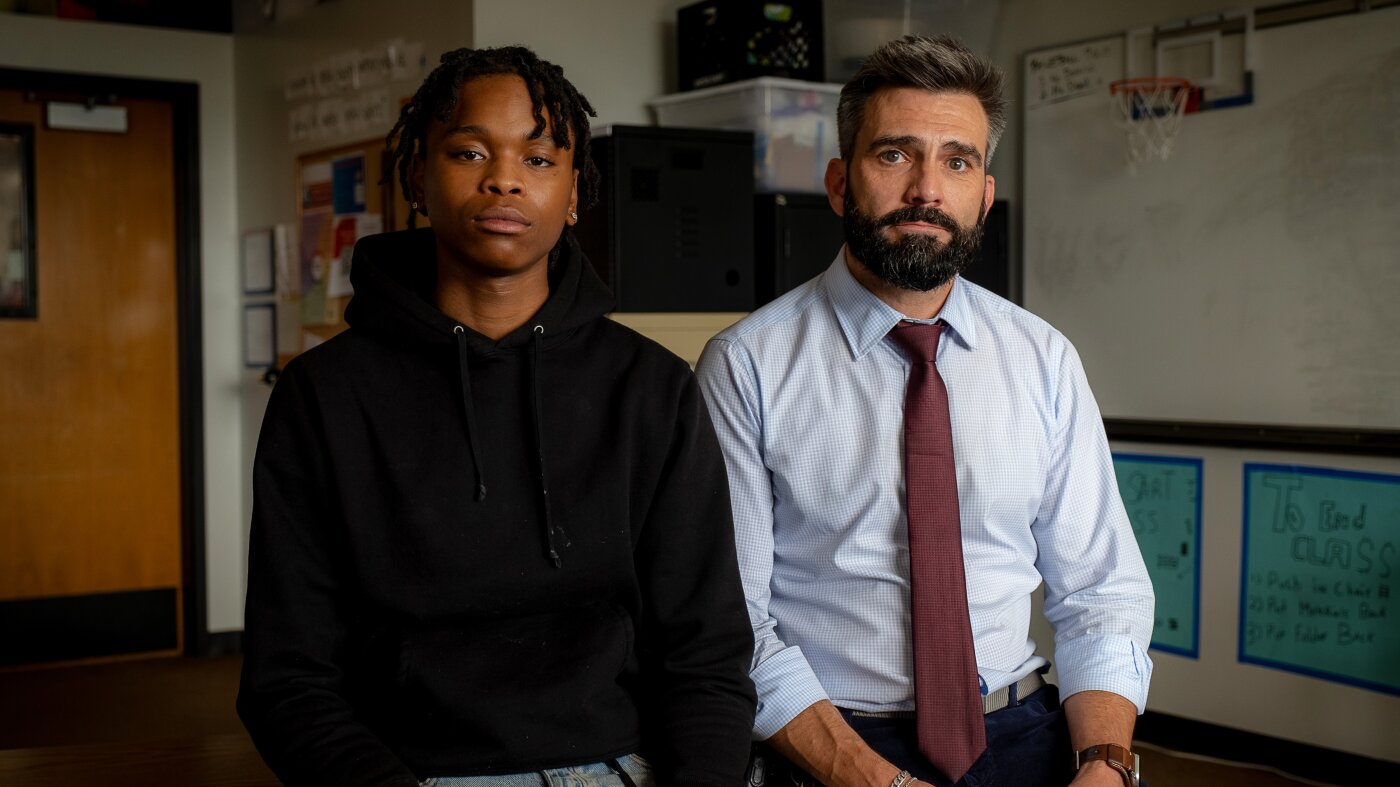
In high school, Walter attended classes with other EBD-labeled students, receiving specialized instruction from teachers like Jesse Kwakenat. While these separate classrooms offer individualized support, they can also isolate students from their general education peers. Kwakenat emphasized the importance of integrating EBD students into mainstream classrooms to provide a more inclusive educational experience.
The Individuals with Disabilities Education Act (IDEA) mandates that students with disabilities receive free public education tailored to their needs. However, students labeled EBD often end up in separate schools, disproportionately affecting low-income students of color. The EBD category, with its subjective criteria, can perpetuate systemic inequalities and limit students' academic and social growth.
Walter's struggles with behavior and academic achievement reflected broader issues within the special education system. The EBD label, influenced by societal perceptions and biases, can impact students' educational trajectories. Efforts to reform the system and provide more inclusive educational opportunities for EBD students face challenges and complexities.
As Walter navigated his senior year and graduation, he encountered obstacles and setbacks, including suspensions and family turmoil. Despite these challenges, Walter remained determined to graduate and pursue his goals. The ongoing impact of the COVID-19 pandemic on education, coupled with policy changes and funding disparities, further complicates the landscape for students with emotional or behavioral disorders.
Educators and researchers advocate for a shift towards more inclusive practices and support services for students labeled EBD. Initiatives to integrate EBD students into mainstream classrooms and provide wraparound services aim to address the needs of these students more effectively. While the road to reforming the special education system is complex, efforts to improve outcomes for students like Walter continue to evolve.