Challenges Ahead: Human Rights Watch Raises Concerns Over World Cup in the United States
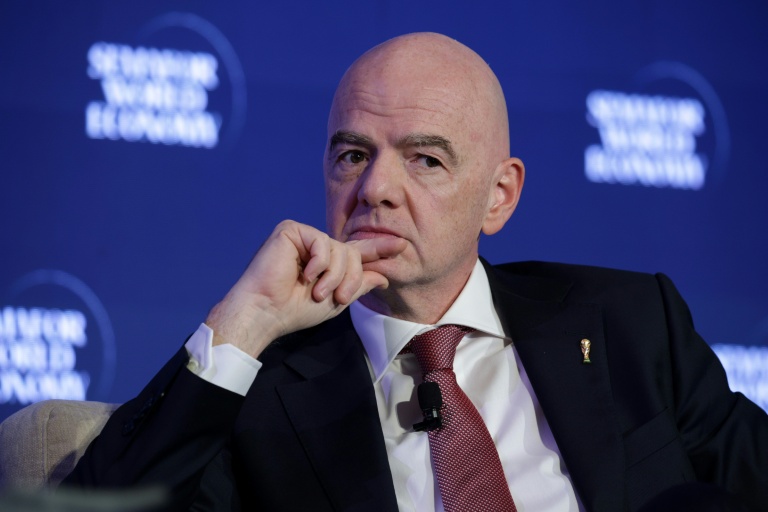
The upcoming World Cup faces potential challenges related to immigration crackdowns, protests, and press freedom issues in the United States, according to Human Rights Watch. The organization expressed concerns that the tournament could serve as a platform for discriminatory policies and exclusionary practices. HRW highlighted the growing authoritarianism and human rights setbacks under President Donald Trump's administration, raising alarms about threats to press freedom and peaceful demonstrations.
Scheduled to be held from June 11 to July 19 in the United States, Canada, and Mexico, the World Cup will feature a majority of matches in the US. Amnesty International Germany's Maja Liebing emphasized the risks faced by fans, journalists, and other visitors due to the Trump administration's policies, which could lead to detention, deportation, or discrimination. The document criticized FIFA for its perceived inadequate response to what it termed as Trump's abusive policies, noting the close relationship between FIFA President Gianni Infantino and Trump.
The ongoing operations by US Immigration and Customs Enforcement (ICE) targeting undocumented migrants have raised concerns among supporters, with HRW reporting a significant number of arrests in cities where World Cup matches will be held. The organization cited a case from the Club World Cup last year where an asylum seeker attending the final in New Jersey was detained, separated from his children, and deported. Additionally, citizens from Iran, Haiti, Senegal, and Ivory Coast, countries competing in the finals, may face challenges due to US travel bans, potentially impacting their ability to have fan support at the tournament.
In conclusion, the World Cup's backdrop of immigration crackdowns, protests, and press freedom issues in the United States has raised concerns about the potential impact on the tournament's atmosphere and the experiences of participants and spectators. The need for vigilance and advocacy for human rights and inclusivity in the sporting event is crucial to ensure a fair and welcoming environment for all involved.