Grateful Dead and Deadheads: Exploring the Complexities of Fan Loyalty and Artistic Expression
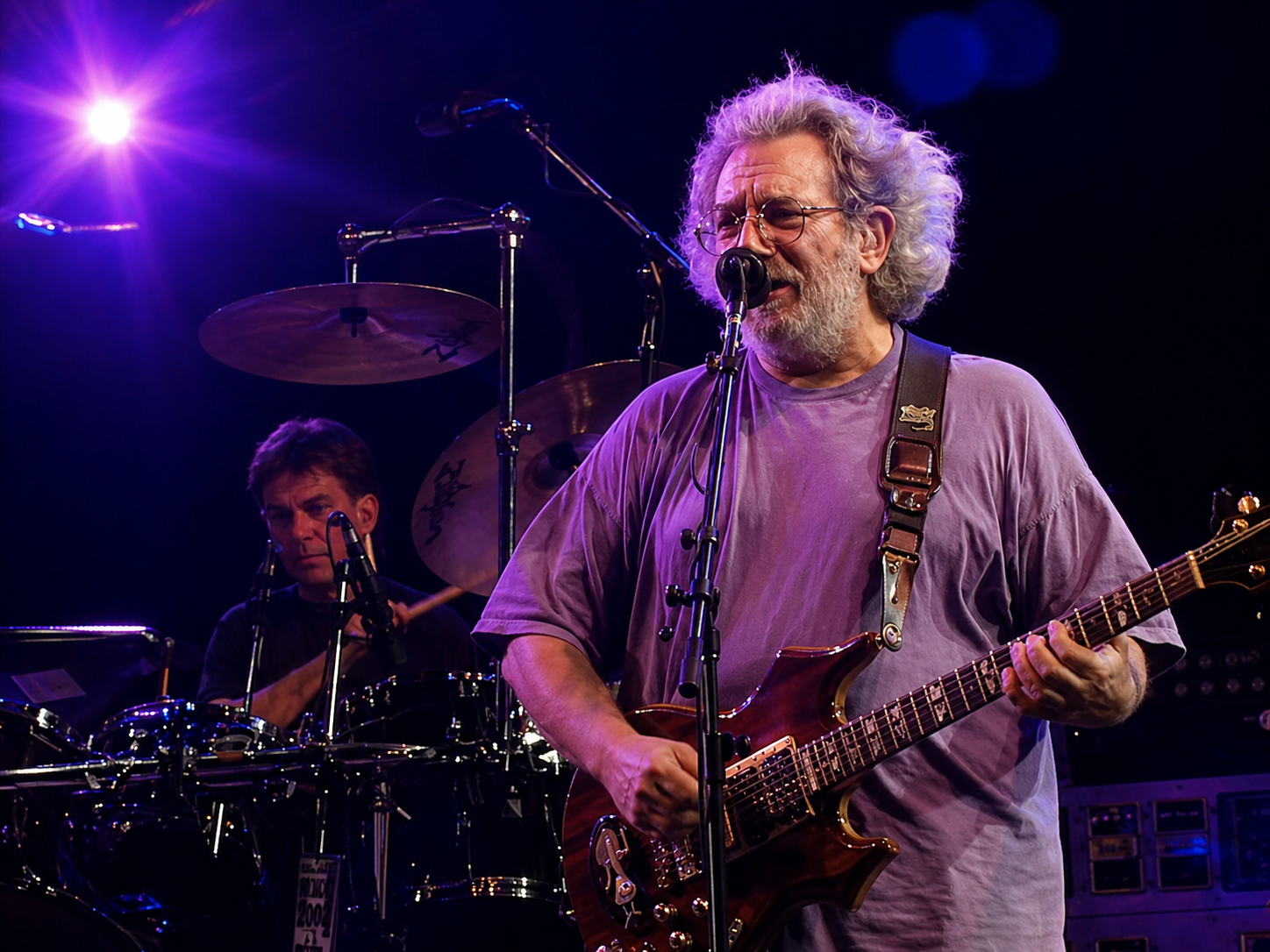
The Grateful Dead, with their devoted fanbase known as Deadheads, created a unique subculture that went beyond typical fandom. The band's improvisational style encouraged fan participation but also led to tensions as some fans felt a sense of ownership over the band's direction. Deadheads, particularly the nomadic superfan archetype, embraced an alternative lifestyle centered around following the band from city to city, viewing the Grateful Dead as more than just a musical act.
The band's popularity grew rapidly, leading to massive crowds at concerts and a vibrant scene outside venues with parties and illicit activities. Efforts to regulate this culture were largely ineffective as the traveling circus surrounding the Dead continued to expand. Lyricist Robert Hunter expressed gratitude for the fan embrace of his work but also critiqued those who detached from mainstream society in favor of a perpetual life on the road in his song "Keep Your Day Job."
The song's direct message about the importance of work and structure in life sparked a divisive response among fans and band members. While some, like John Perry Barlow, disagreed with prescribing behavior, others, including Jerry Garcia, emphasized the band's ethos of not dictating to fans. Ultimately, the fans' reaction led to the retirement of "Keep Your Day Job" after just over 50 performances. The song remains a rare instance where the bond between the Grateful Dead and their audience showed visible strain.
In conclusion, the Grateful Dead's unique relationship with their Deadhead fanbase exemplified the complexities of fan loyalty and the challenges of balancing artistic expression with fan expectations. The band's free-spirited culture and improvisational style attracted a diverse following, but tensions arose as fans grappled with the band's evolving identity and messages. "Keep Your Day Job" served as a poignant moment in the band's history, highlighting the delicate balance between artist and audience in the world of rock music.