Navigating the Challenges of Solar Energy Development in Michigan: Balancing Renewable Goals with Health Concerns
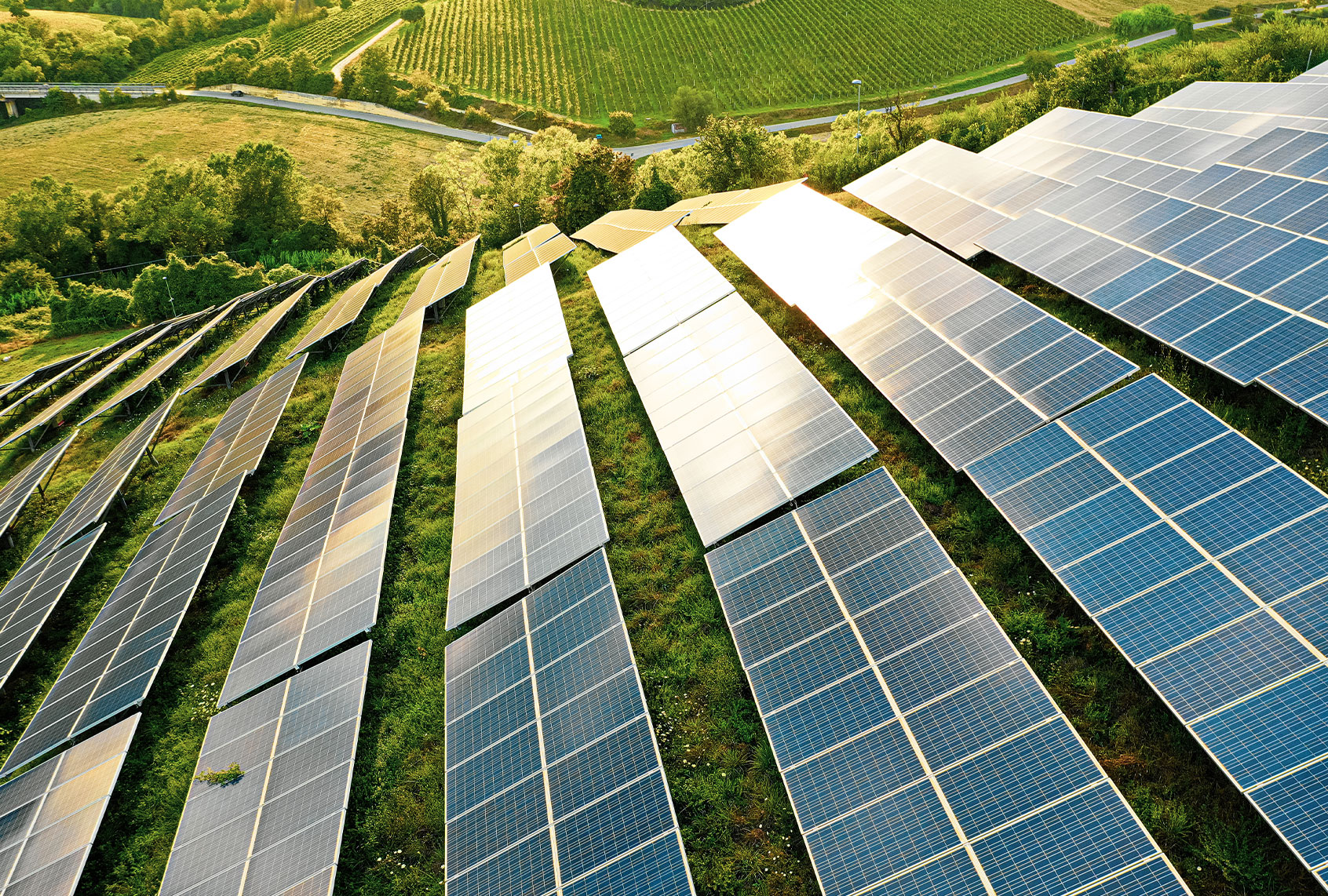
Solar energy development in Michigan has faced challenges due to local opposition and concerns about health risks associated with large solar projects. Despite the potential benefits of solar farming, such as generating clean energy and providing economic opportunities for landowners, some residents and officials have raised unfounded health concerns about solar fields. These concerns have led to the implementation of restrictive ordinances and regulations that hinder the growth of solar infrastructure in the state.
Critics of solar development often cite health and safety issues as reasons to oppose solar projects, even though there is little credible evidence to support their claims. The opposition to solar projects has led to a backlash against renewable energy initiatives, with some states imposing restrictions on solar development based on misinformation and fears about potential health risks. This trend has contributed to a decline in new solar installations in the U.S. and has created challenges for the expansion of solar energy capacity.
Despite the opposition, solar energy has the potential to play a significant role in Michigan's energy portfolio. The state has ambitious clean energy goals, requiring electricity providers to reach a certain percentage of clean energy by specific deadlines. However, Michigan faces more local restrictions on renewable energy than any other state, making it challenging to achieve these targets. The conflict over solar development in rural Michigan reflects a broader national debate about the balance between renewable energy expansion and local concerns about health and safety.
In response to the challenges faced by solar developers in Michigan, the state has established standards for large solar projects and created a pathway for developers to obtain permits from the Michigan Public Service Commission. These measures aim to streamline the approval process for solar projects and address some of the concerns raised by local governments and residents. Despite the obstacles, solar capacity in Michigan continues to grow, albeit at a slower pace compared to other states.
In conclusion, the debate over solar energy development in Michigan highlights the complex interplay between renewable energy goals, local opposition, and health concerns. While solar energy offers significant environmental and economic benefits, addressing public perceptions and misinformation about health risks associated with solar projects is crucial to fostering a more supportive environment for renewable energy initiatives. By balancing the need for clean energy with community concerns, Michigan can work towards a sustainable energy future that benefits both the environment and its residents.