Taylor Swift's Innovative Trademark Strategy: Protecting Voice and Visual Likeness in the Digital Age
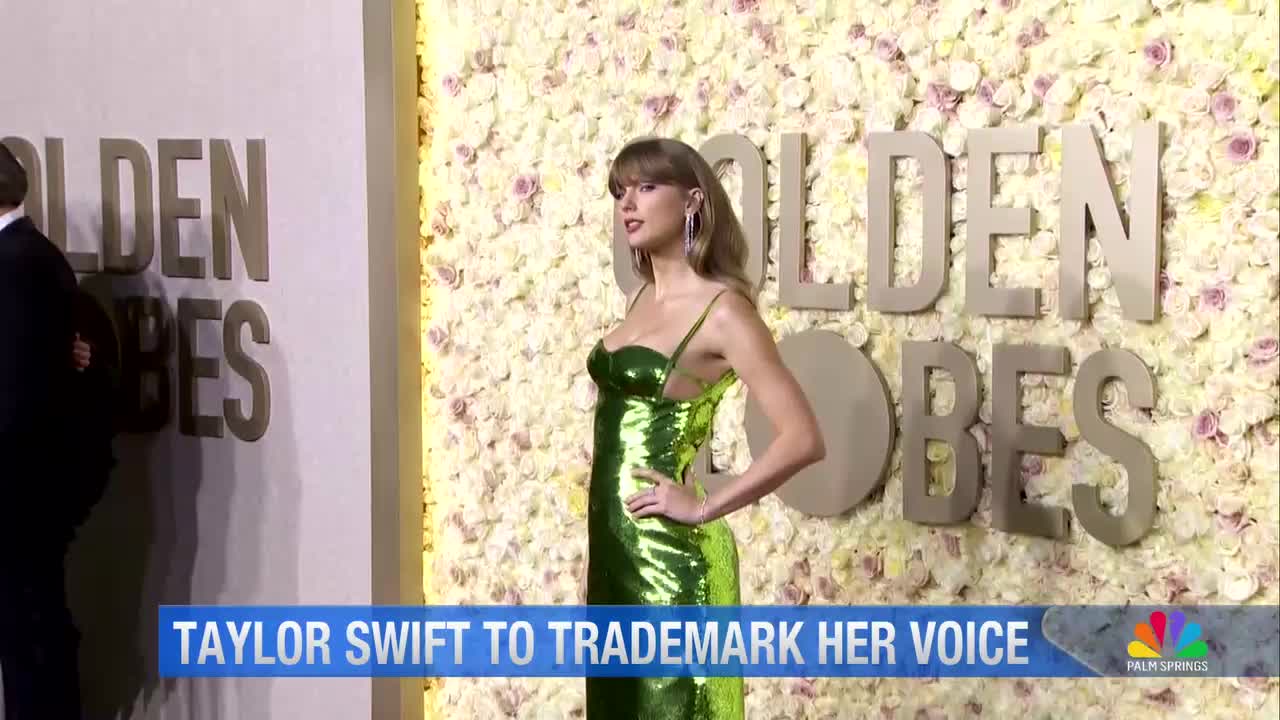
Taylor Swift's company, TAS Rights Management, recently filed three groundbreaking trademark applications with the U.S. Patent and Trademark Office. These applications mark a significant departure from traditional copyright protection, as they aim to secure federal trademarks for both voice and visual likeness. The first two applications focus on "sound marks," seeking to trademark the phrases "Hey, It's Taylor Swift" and "Hey, It's Taylor." This innovative approach aims to prevent unauthorized use of Swift's voice by artificial intelligence to deceive fans or endorse products without her permission.
The third application filed by TAS Rights Management pertains to Swift's visual likeness, specifically a detailed description of a photograph capturing her on stage. The image includes Swift holding a pink guitar with a black strap, dressed in a multi-colored iridescent bodysuit and silver boots, performing on a pink stage. By trademarking this specific visual representation, Swift's team can more effectively combat AI-generated images that attempt to replicate her distinctive stage presence.
This strategic move mirrors a similar tactic employed by actor Matthew McConaughey earlier this year. Trademark law offers a broader and more aggressive means for celebrities to combat AI platforms by preventing anything that is deemed "confusingly similar." Unlike copyright law, which protects specific existing recordings, trademarks provide a more comprehensive tool to safeguard celebrities' identities and prevent unauthorized use of their likeness.
In conclusion, Taylor Swift's recent trademark filings represent a proactive approach to safeguarding her voice and visual identity in the digital age. By leveraging federal trademarks, Swift and her team are taking proactive steps to protect her unique persona from unauthorized exploitation by artificial intelligence platforms. This innovative strategy underscores the evolving landscape of intellectual property protection in the entertainment industry.