Legal Battle Over Jimi Hendrix Experience Recordings: High Court Rules in Favor of Sony Music Entertainment UK
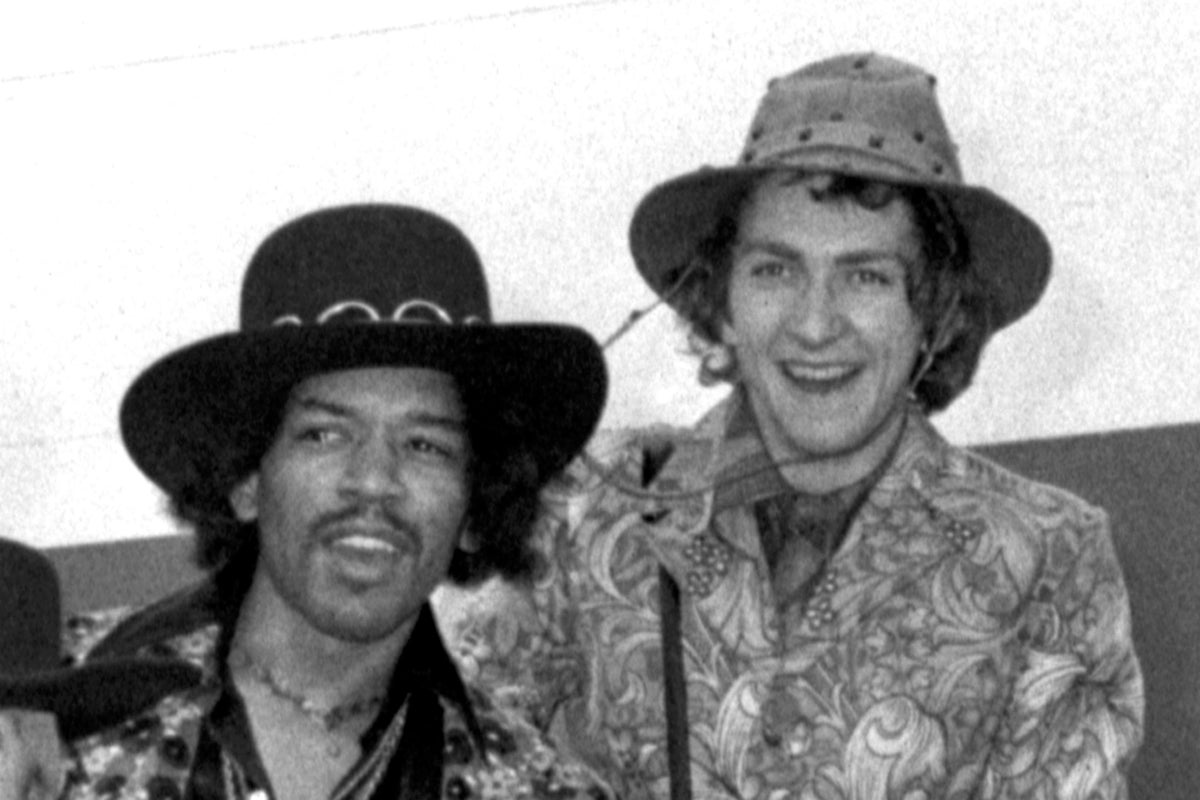
A legal battle between the estates of former members of the Jimi Hendrix Experience and Sony Music Entertainment UK (SMEUK) over copyright and performers' rights to the band's 1960s recordings has concluded in favor of SMEUK. The estates of bassist Noel Redding and drummer Mitch Mitchell sought ownership shares in the copyrights of approximately 40 studio recordings made by the band. The High Court ruled in favor of SMEUK, stating that the original recording agreement granted copyright to the producers, not the musicians.
The Jimi Hendrix Experience, formed in 1966, disbanded before Jimi Hendrix's death in 1970. The estates of Redding and Mitchell also sought an inquiry into potential outstanding payments related to the recordings. However, the judge highlighted that the recording agreement was clear and unequivocal, granting copyright to the producers worldwide without any limitations.
The claims made by the estates were dismissed by the High Court, citing releases previously signed by Redding and Mitchell that acknowledged full settlement of any compensation claims. Despite the band's commercial success, the two musicians were reportedly excluded early on in their lifetimes and died in relative poverty, while the recordings continued to generate revenue in the streaming era.
The judge acknowledged that modern music delivery methods like digital downloads and streaming were not foreseen when the recording agreement was signed in 1966. However, there was no challenge to the agreement itself, leading the judge to interpret it based on the terms at the time. SMEUK has been using the recordings in the UK since 2009 and has the right to continue doing so, as confirmed by the London court.
In conclusion, the High Court ruled in favor of Sony Music Entertainment UK in the legal battle over the copyright and performers' rights to the Jimi Hendrix Experience's 1960s recordings. The estates of Noel Redding and Mitch Mitchell were denied ownership shares in the copyrights, as the original recording agreement granted copyright to the producers. Despite the band's commercial success, the musicians were excluded from ownership, and the recordings continue to be a lucrative source of revenue for SMEUK.