Protecting Celebrity Voices and Likeness: Trademark Strategies in an AI-Driven World
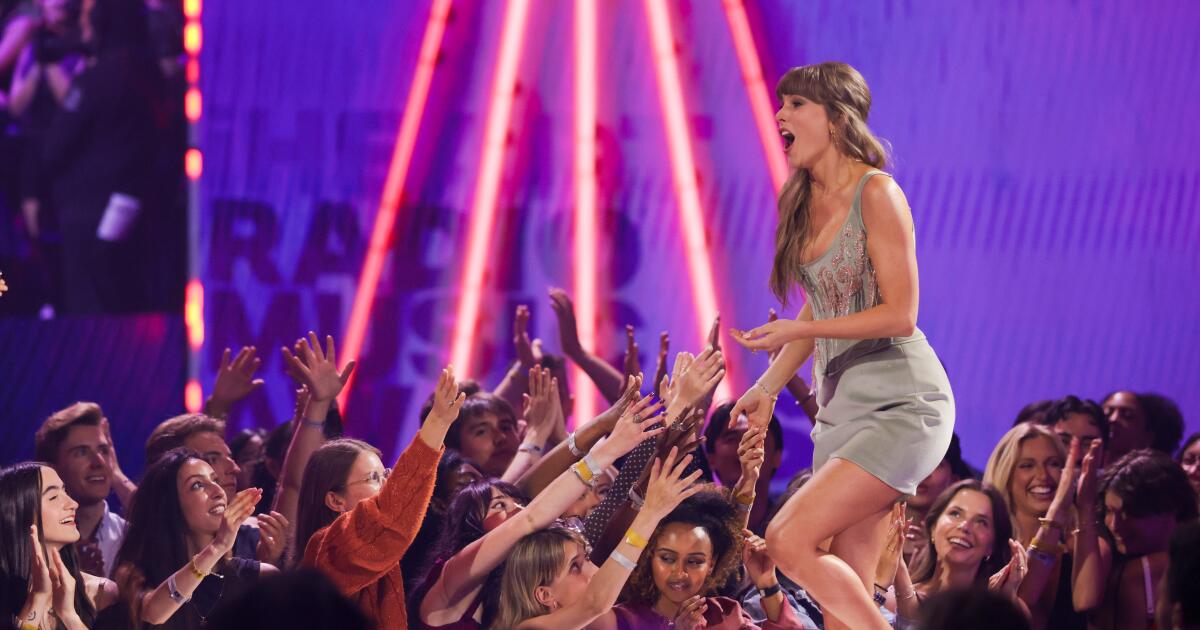
Taylor Swift is making moves to protect her public image by filing trademark applications for soundbites of her voice and a well-known image of herself. This comes at a time when celebrities are increasingly concerned about unauthorized AI-generated content. Matthew McConaughey has also taken steps to secure trademarks for his likeness, emphasizing the importance of consent and attribution in an AI-driven world.
Registering a trademark for a celebrity's speaking voice is a unique legal strategy to safeguard against AI-generated content. This approach aims to prevent the unauthorized use of a celebrity's voice or likeness in AI-generated content. With the rise of AI technology, traditional copyright and right to publicity laws may not provide sufficient protection against manipulation of voices and images.
Swift's trademark filings signal a proactive approach to protecting her digital self and ensuring that any AI-generated content resembling her voice or image goes through authorized channels. By establishing these trademarks, she is setting a precedent for other celebrities to follow suit in safeguarding their public personas in the digital landscape.