Taylor Swift Trademarks Image and Voice: Safeguarding Against AI Misuse
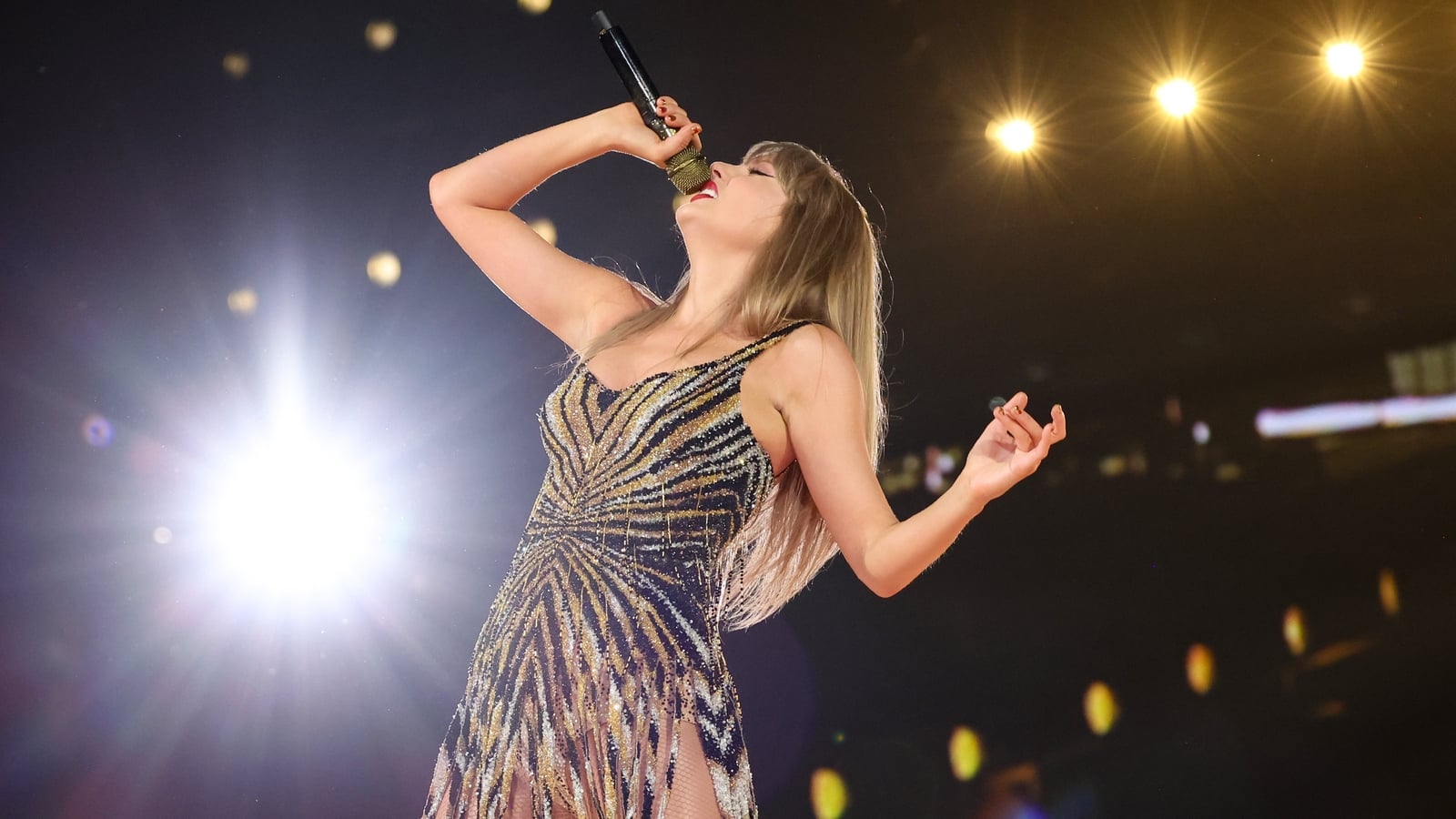
Pop sensation Taylor Swift has taken steps to trademark her image and voice in response to concerns about AI-generated content. The 36-year-old singer submitted three applications in the US to trademark her likeness and voice, including an image from her Eras tour and audio clips promoting her latest album, The Life Of A Showgirl. The move comes amid growing worries about unauthorized use of celebrities' voices and images by AI applications.
One of the audio clips features Swift introducing herself, while the other promotes her album release. The image submitted for trademark depicts Swift holding a pink guitar on stage in a colorful bodysuit and silver boots. The applications aim to protect Swift's distinctive visual and vocal identity from potential misuse by AI-generated content.
Actor Matthew McConaughey has also trademarked his voice and image to safeguard against unauthorized use by AI apps. Trademark attorney Josh Gerben highlighted the significance of Swift's applications, noting that protecting spoken voice through audio clips is a novel concept in US courts. By registering specific phrases tied to her voice, Swift could potentially challenge imitations that are confusingly similar, providing her with an additional layer of protection.
Traditionally, artists have relied on copyright and right of publicity laws to protect their music and likeness. However, in the age of AI-generated content, trademarks offer a broader and more powerful tool to prevent unauthorized use. Swift's decision to trademark her sound and image reflects a proactive approach to safeguarding her identity in an evolving digital landscape where AI can manipulate and distribute content at scale.
In conclusion, Taylor Swift's trademark applications for her image and voice signal a strategic move to protect her identity in the face of AI-generated content. By securing legal rights to her distinctive visual and vocal elements, Swift aims to defend against unauthorized use and manipulation of her likeness, setting a precedent for artists navigating the challenges of the digital age.