John Cougar Mellencamp: Music, Politics, and Social Commentary
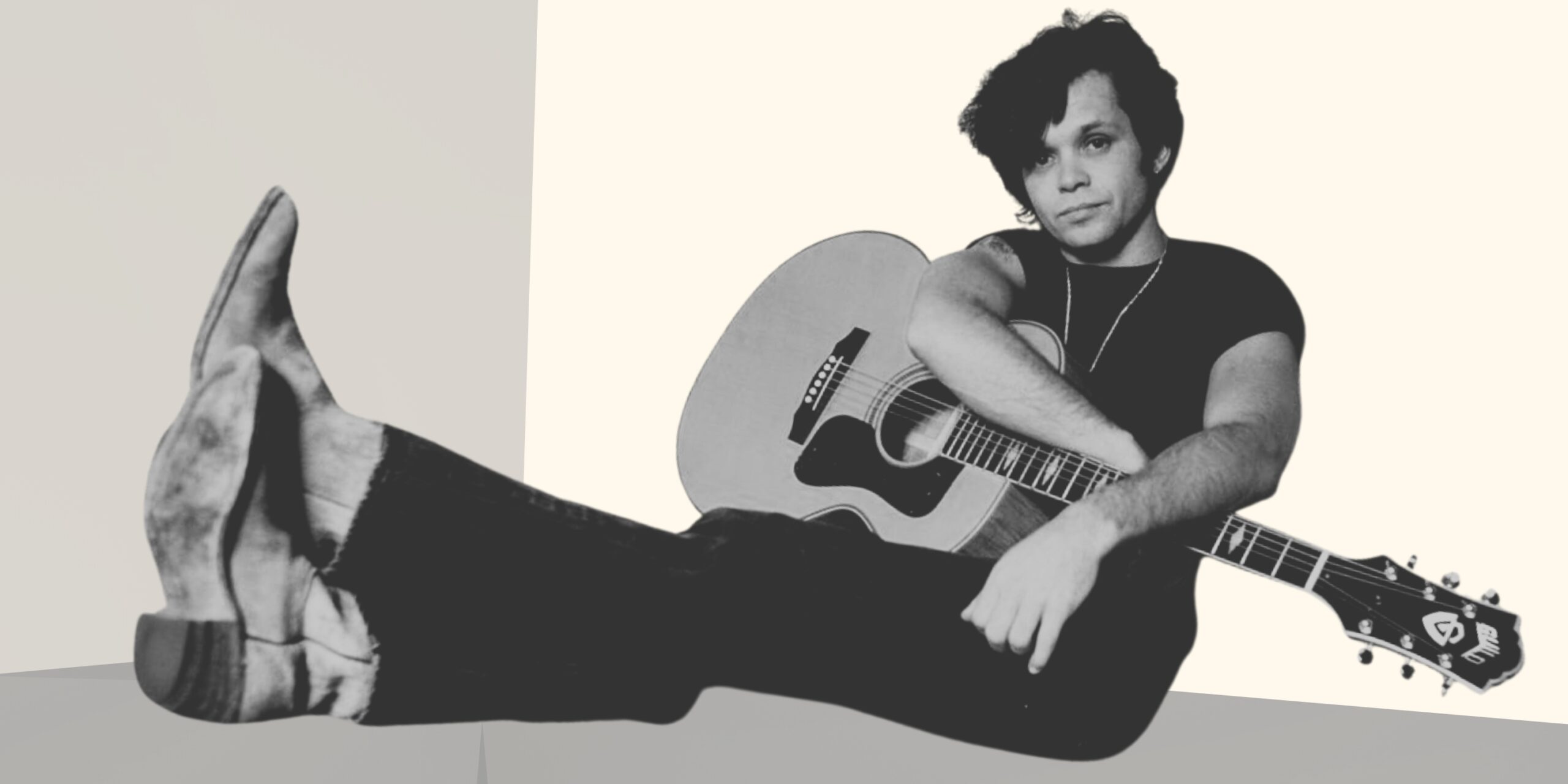
John Cougar Mellencamp, known for his combative liberalism, has often faced criticism for his political views. Despite this, he has been vocal about his antiracist, pro-farmer, and anti-capitalist beliefs, using his music as a platform to express his opinions. Mellencamp's journey to success in the music industry was marked by a realization that radio play was crucial for reaching a wider audience, leading him to create a sound that resonated with the masses.
In the early '80s, Mellencamp's breakthrough album, American Fool, propelled him to commercial success while still maintaining deeper meanings in his lyrics. His performances, characterized by a rebellious attitude, often clashed with mainstream acts and their audiences. Mellencamp's ability to celebrate and critique agrarian fantasies set him apart from his peers in the heartland rock genre.
"Jack & Diane," a fan favorite from American Fool, encapsulates the essence of Mellencamp's upbringing in Indiana. The song's nostalgic portrayal of young love and rebellion against societal norms struck a chord with listeners. Despite references to Tastee-Freez, a popular American fast-food chain, not being part of Mellencamp's regular routine, the song's universal themes resonated with audiences across small towns.
Mellencamp's decision to spotlight all people in small towns through his music was a strategic move that endeared him to a diverse fan base. His ability to capture the essence of Middle America in his songs, such as "Jack & Diane," contributed to his chart-topping success and solidified his position as a voice for the heartland.
The origins of "Jack & Diane" reveal a deeper layer to the song's narrative. In Mellencamp's original demos, Jack was portrayed as a young Black man, challenging societal norms and racial stereotypes. Despite the line being cut from the studio version of the song, Mellencamp's intention to highlight interracial relationships in his music underscored his commitment to inclusivity and representation.
Throughout his career, Mellencamp has used his platform to address social issues, including racism and inequality. His advocacy for marginalized communities and antiracist stances have been reflected in his music and public statements. Mellencamp's willingness to confront prejudice and discrimination has earned him praise as a spokesperson for his time, advocating for social justice and equality.
Reflecting on the impact of his album American Fool and its political undertones, Mellencamp acknowledged the risks associated with his left-wing populist approach. Despite potential backlash, he remained steadfast in his beliefs and continued to use his music as a tool for social commentary. Mellencamp's unwavering commitment to his principles has solidified his legacy as a musician and activist who challenges societal norms and advocates for change.