Man Carries Sister's Remains to Bank: A Tale of Bureaucratic Challenges in India
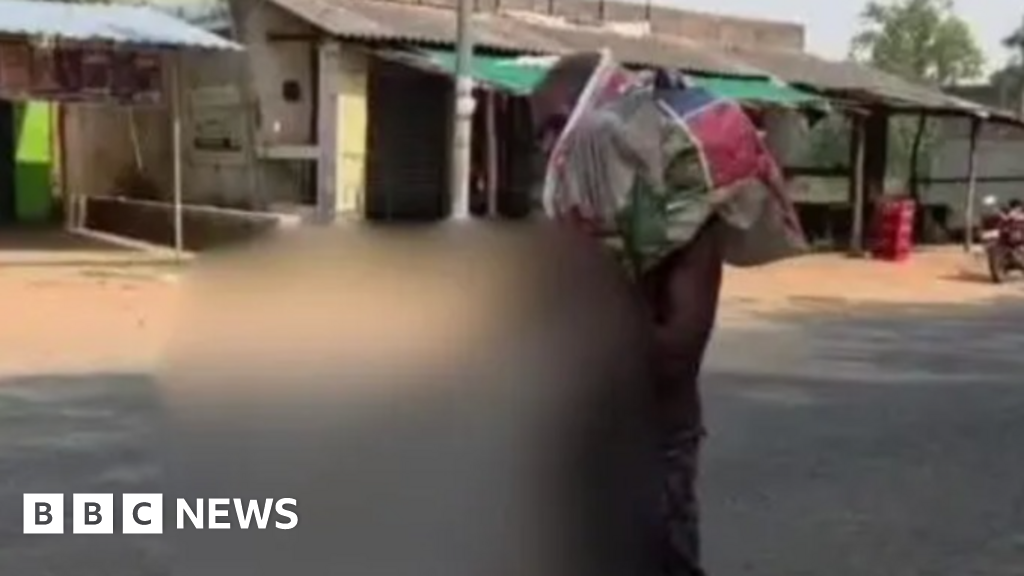
A man in eastern India had to carry his sister's skeletal remains to a bank to prove her death after facing difficulties in accessing her savings. The incident, which occurred in Odisha state, drew national attention and sparked outrage. The man, Jitu Munda, explained that he resorted to this extreme measure out of frustration after the bank repeatedly asked for official proof of his sister's death.
The bank denied requesting the physical presence of the deceased and stated that they only required legally mandated documents. They clarified that the incident arose from a lack of awareness of procedures and confirmed that the money had been handed over to the legal heirs. The situation unfolded in Keonjhar district and led to criticism of local authorities and the bank for their handling of the matter.
Odisha's Revenue Minister mentioned that an investigation was underway, and action would be taken against the branch manager for his alleged behavior. The district administration expressed deep concern and emphasized the importance of protecting people's rights and dignity. The man, Munda, shared that the ordeal began after his sister, Kalara, passed away earlier in the year, leaving behind savings in the bank.
Munda's attempts to access the funds were unsuccessful, leading to his drastic action of bringing his sister's skeletal remains to the bank. The incident shed light on the bureaucratic challenges faced by families in accessing funds after a relative's death, especially in cases where no nominee is designated. The bank clarified its stance and highlighted the need for proper documentation before releasing funds to legal heirs.
Following the public outcry, the bank provided further details of the situation, refuting some of Munda's claims. They stated that he had been informed of the process but did not comply with it. The branch manager mentioned that Munda initially claimed his sister was unable to visit the bank due to paralysis, and later informed them of her death. The bank asserted that they had followed the necessary procedures once other legal heirs came forward to claim the money.
Police and local officials intervened to resolve the situation, convincing Munda to return the remains to the burial ground. They assured him that his request would be addressed and offered financial assistance. Subsequently, the required documents were issued, and the bank confirmed that the funds had been handed over to the woman's family members. The incident highlighted the challenges faced by rural families in navigating the banking system after a loved one's demise.
In conclusion, the incident involving the man carrying his sister's skeletal remains to the bank in India underscored the complexities and challenges faced by families in accessing funds after a relative's death. The situation prompted a review of procedures and emphasized the importance of providing support and guidance to individuals navigating such processes during times of distress.