Muddy Waters: The Legendary Blues Pioneer Who Shaped Music History
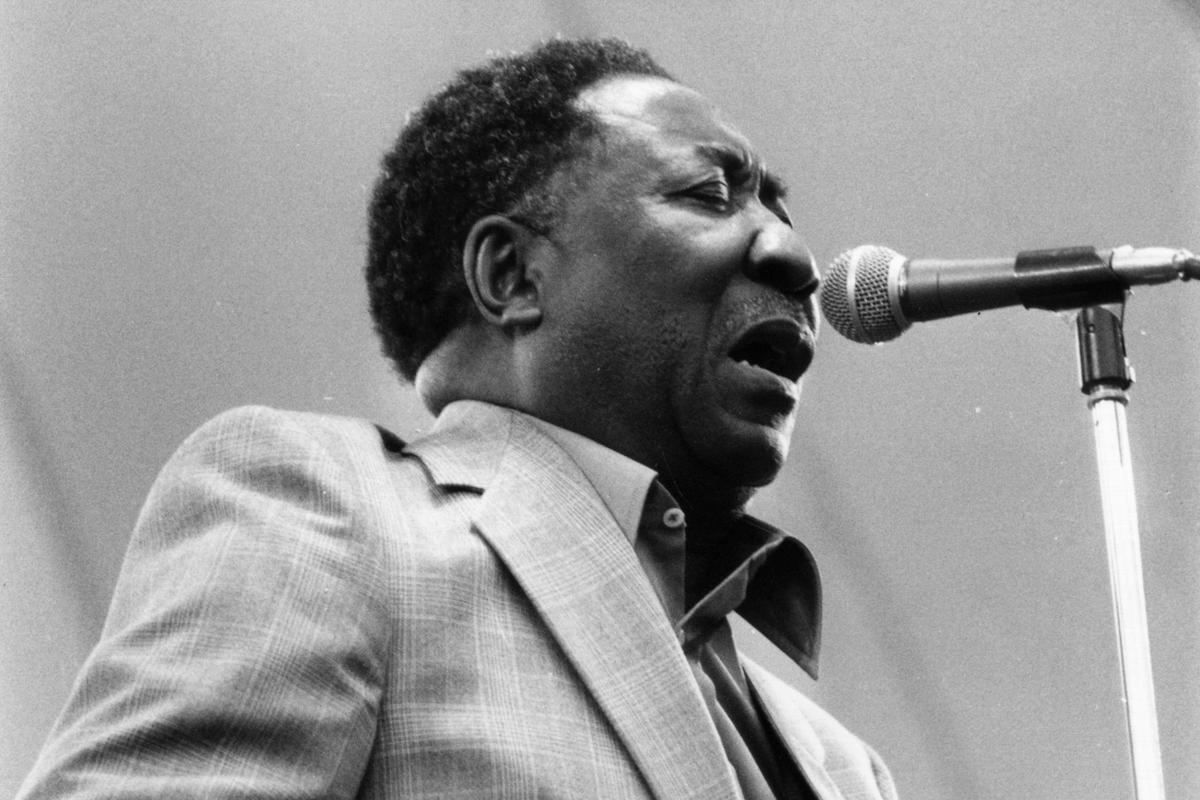
Muddy Waters made a significant impact on the Chicago music scene when he moved there in 1943. He brought a unique energy to the blues, different from the prevailing sad blues style. Waters' breakthrough hit, "Rollin' Stone," came in 1950, providing him with some relief from the challenges of being a full-time musician. Despite his gradual rise to fame, Waters' influence extended beyond Chicago, even inspiring the name of the Rolling Stones.
Throughout the '60s and '70s, Waters' recognition as a blues artist grew steadily. His albums achieved moderate success, with his highest-charting album, "Fathers and Sons," reaching No. 70 on the Billboard 200 in 1969. Waters expressed regret that he wasn't more widely known earlier in his career, despite releasing 14 studio albums and numerous live recordings.
In 1981, members of the Rolling Stones joined Waters for a jam session at the Checkerboard Lounge in Chicago. Two years later, Waters passed away in his sleep at the age of 70 due to a heart attack. His funeral was attended by many famous musicians, highlighting the impact he had on the music industry. Waters' legacy continued to influence blues and rock 'n' roll artists, leading to his induction into the Rock & Roll Hall of Fame in 1987.
Despite discrepancies in his birth year, Waters' headstone bears the words "The mojo is gone, The master has won," reflecting his enduring influence on music. He expressed satisfaction with his career trajectory, stating that the best point of his life was living in the moment. Waters' music and spirit continue to resonate with fans and musicians alike, solidifying his place as a legendary figure in the history of blues music.