White House Correspondents' Dinner Shooting Suspect Agrees to Remain in Custody: Trial Details and Legal Proceedings
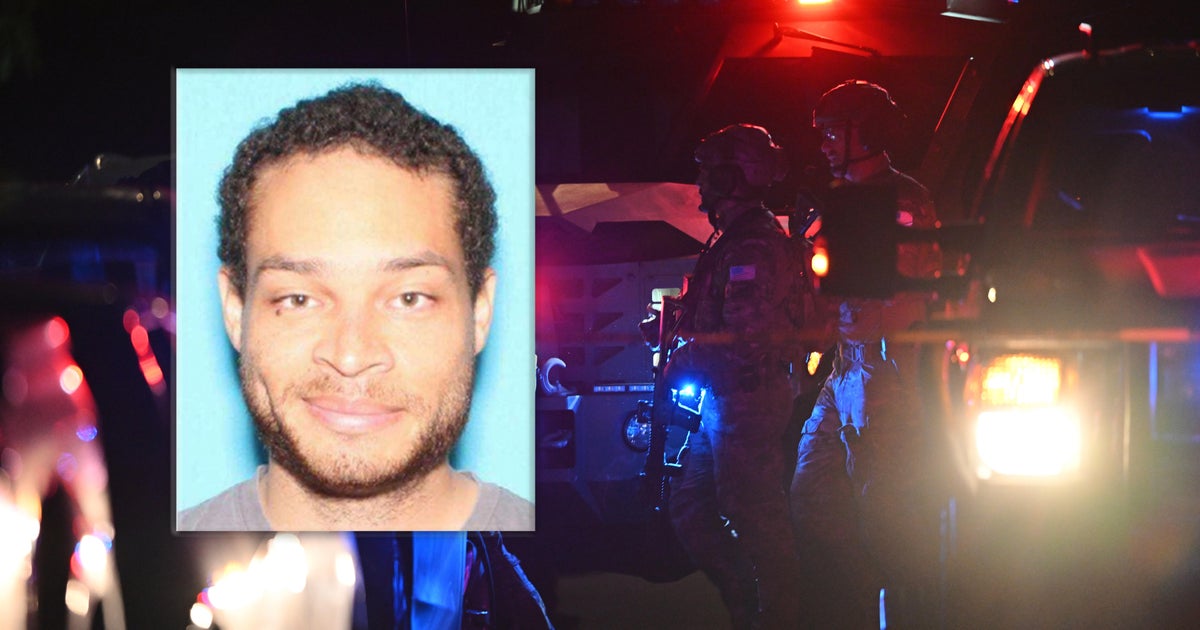
The individual accused of the shooting at the White House Correspondents' Dinner has agreed to remain in custody until his trial. The suspect, Cole Allen, faces charges related to attempting to assassinate President Trump. He appeared in federal court and has not entered a plea yet. A preliminary hearing is scheduled for May 11. Allen's lawyer requested the removal of restrictions on his detention, but the judge stated she could not override the jail's decision.
Prosecutors argued for Allen's detention, emphasizing the seriousness of the charges and the evidence against him. They detailed his alleged planning and actions leading up to the shooting. Law enforcement officials described how Allen, armed with a shotgun, attempted to breach security at the event. A Secret Service officer fired at him, but Allen was not hit. The officer was struck in his bulletproof vest, sustaining minor injuries. The investigation into the incident is ongoing, with ballistics and video analyses being conducted.
Allen's defense team highlighted his lack of criminal history and his involvement in his religious community. They disputed the government's claims about his intentions and argued that the evidence did not definitively link him to the attempted assassination of the president. Despite initially seeking his release, Allen agreed to remain detained after consulting with his lawyer. The defense maintained that the government's case relied on speculation and lacked concrete evidence tying Allen to the alleged crime.
In conclusion, the suspect in the White House Correspondents' Dinner shooting has opted to stay in custody pending his trial. The prosecution presented evidence of Allen's actions leading up to the incident, while the defense contested the government's assertions about his intentions. The investigation into the shooting is ongoing, with further analyses being conducted to determine the sequence of events. Allen's decision to remain detained reflects the gravity of the charges against him.