Trump Administration's National Drug Control Strategy: Leveraging Technology and Faith-Based Treatment to Combat Drug Use and Trafficking
The proposed national drug control strategy by the Trump administration includes plans for wastewater testing to detect illegal drug use in real-time. The administration also aims to use artificial intelligence to screen cargo for illicit drugs at ports of entry and identify high-risk patients through electronic health records. The 195-page document is set to be released next week, with a focus on combating emerging drug threats and reducing overdose deaths.
Despite a decline in overdose deaths, the report highlights an increase in illicit drug use, particularly marijuana. It points out the marketing strategies of addictive substances targeting young audiences and the normalization of drug use in pop culture. The administration plans to implement novel surveillance methods like wastewater testing and biosurveillance to monitor drug consumption trends in real-time.
The strategy emphasizes the role of religious faith in treating drug addiction and calls for increased treatment accessibility for Americans. It advocates for integrating addiction care with other medical services and individualizing treatment plans. The plan also supports medication-based treatment for opioid use disorder and research into similar treatments for other substances like methamphetamine and cocaine.
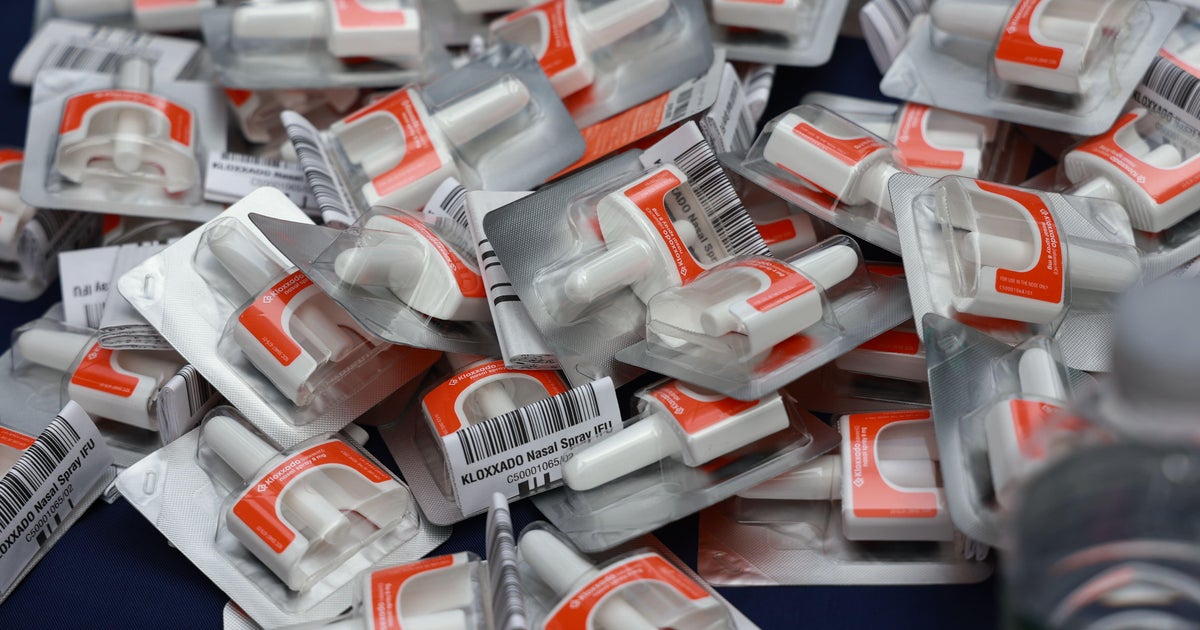
To prevent fatalities, the strategy recommends making overdose-reversing medication naloxone more widely available and using fentanyl test strips to detect contaminated drugs. While President Trump has shown support for research into certain illicit substances, the Substance Abuse and Mental Health Services Agency has restrictions on purchasing test strips with federal grants. Additionally, recent actions by the Justice Department aim to reschedule certain marijuana products and expedite the reclassification of marijuana more broadly.
In conclusion, the Trump administration's drug control strategy focuses on leveraging technology and surveillance methods to combat drug use and trafficking, while also emphasizing the importance of faith-based treatment and increasing access to addiction care for Americans. The plan aims to address emerging drug threats and reduce overdose deaths through a comprehensive approach that includes medication-based treatment and preventive measures like naloxone distribution.