Critical Juncture: Trump's Dilemma in the U.S.-Iran Conflict
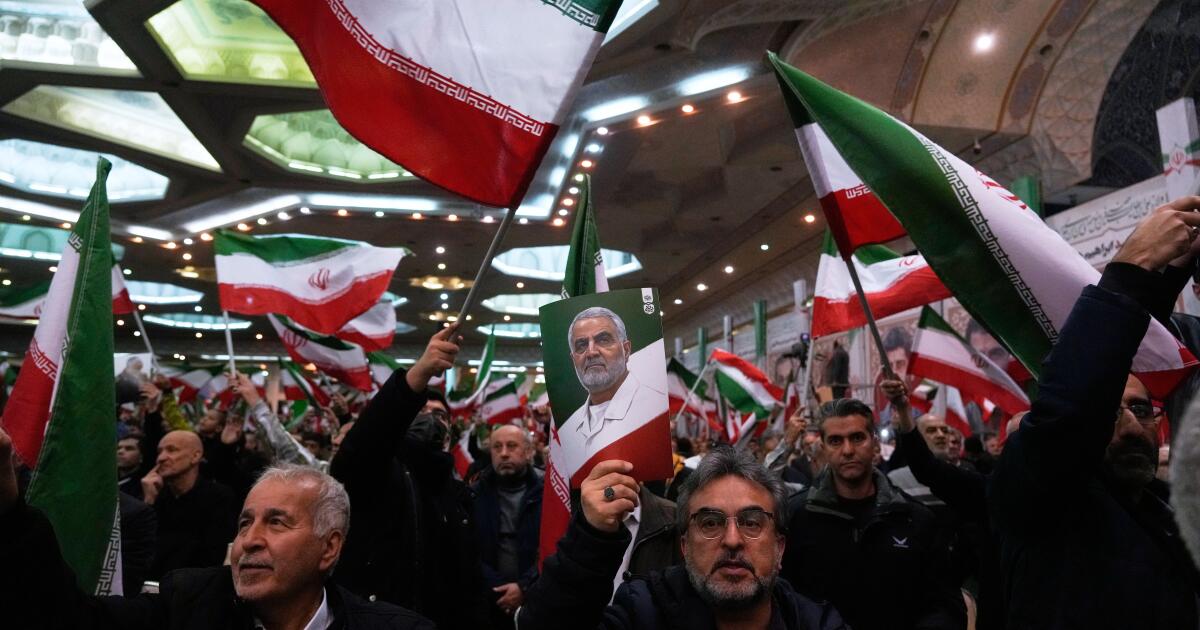
The ongoing conflict between the United States and Iran has reached a critical juncture, with President Trump facing tough decisions on how to proceed. Despite public deadlines passing, the president received briefing options for new strikes, highlighting the challenging position he finds himself in. The need for such briefings underscores the complexity of the situation, with legal deadlines for congressional authorization looming and global oil prices remaining high.
Recent signs point to a potential military buildup in the region, with both the U.S. and Iranian forces replenishing their munitions. The addition of a third aircraft carrier and a surge in logistical support indicate a significant increase in military presence. This buildup could pave the way for a fresh round of fighting, with the possibility of limited ground operations being considered by the Trump administration.
The presence of over 10,000 Marines in the theater gives Trump leverage in negotiations with Iran, but it also poses domestic political risks due to public opposition to a ground war. The administration is considering various options, including launching powerful strikes targeting Iranian infrastructure to pressure hard-liners into supporting a negotiated settlement. However, the outcome of such actions remains uncertain, as they could empower militant factions within Iran.
As talks with Iran continue, Americans may experience economic repercussions due to disruptions in commercial shipping through the Strait of Hormuz. Rising energy and fertilizer prices could impact everyday expenses for consumers. Trump's hope for a swift resolution through military action contrasts with the need for diplomatic negotiations to address the root causes of the conflict.
The internal debate over resuming the war reflects the administration's stance on the legal requirements for congressional authorization. Trump has dismissed the 60-day deadline for authorization, citing the ceasefire with Iran as a reason to delay seeking approval. The cost of the conflict, estimated at $25 billion, has raised concerns among lawmakers, with questions about the strategic objectives and long-term consequences of Operation Epic Fury.
In conclusion, the ongoing conflict with Iran presents a complex challenge for the Trump administration, with decisions on military action, diplomatic negotiations, and congressional authorization shaping the path forward. The need for a comprehensive strategy that balances military objectives with diplomatic efforts is crucial to resolving the conflict and mitigating its impact on global stability.