Global Forest Watch: Progress and Challenges in Tropical Forest Conservation
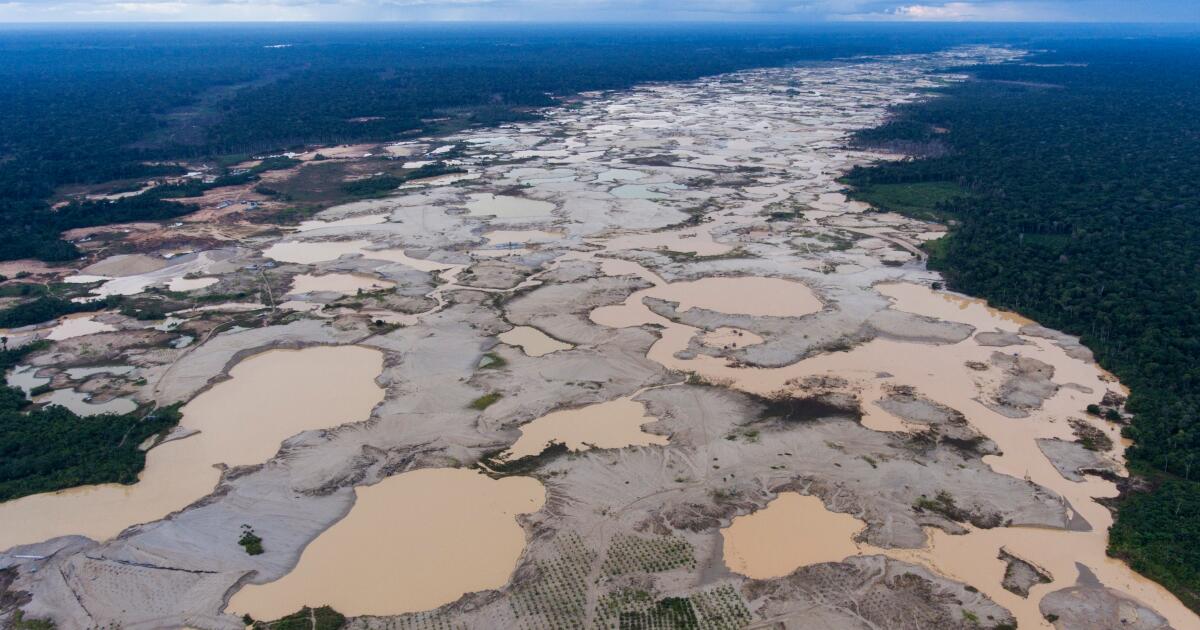
Tropical forest loss saw a significant decrease last year, dropping by 36% after hitting a record high in 2024. Despite the improvement, the world still lost 10.6 million acres of rainforest, an area equivalent to the size of Denmark or over 11 soccer fields every minute. The latest data from the University of Maryland, released through the World Resources Institute's Global Forest Watch, indicates a slowdown in the loss of mature tropical forests in 2025, although it remained 46% higher than a decade ago. The reduction in wildfires last year contributed to the overall decline, but blazes are on the rise in the tropics due to rising temperatures and more severe droughts.
In regions outside the tropics, the impact of climate change was more pronounced. Canada experienced wildfires that burned 13 million acres, making 2025 the country's second-worst fire year on record. France also faced severe tree-cover loss driven by fires, reaching a record high seven times greater than the previous year. The analysis of forest loss includes various factors such as deforestation for agriculture, timber harvesting, and natural disturbances to forests.
At the COP26 climate summit in 2021, over 100 countries committed to stopping and reversing forest loss by 2030. However, the world is still far from achieving this goal as agricultural expansion and fires continue to threaten biodiversity hotspots and carbon sinks. Forest loss in 2025 remained significantly above the target set by the World Resources Institute, indicating the challenges ahead in meeting the deadline. The increasing vulnerability of forests to climate change and the growing demand for resources from forests pose significant obstacles to achieving the conservation goal.
Agriculture, including large-scale commodity production and subsistence farming, emerged as the primary driver of tree-cover loss in the tropics in 2025. Countries like Brazil and Bolivia faced pressures from cattle ranching and soy cultivation, while Peru, Laos, and other nations saw losses due to crops like coca and oil palms. In the Congo Basin, forest clearing was linked to shifting cultivation patterns, wood fuel demand, and poverty. The interaction between fires and these pressures has led to a significant increase in tree cover consumed by fires in recent years, exacerbated by hotter and drier conditions associated with climate change.
Brazil, home to two-thirds of the Amazon rainforest, recorded the largest absolute area of primary forest loss in 2025. However, the country managed to reduce this loss by 42% compared to the previous year, attributed to stronger environmental policies and enforcement under President Luiz Inácio Lula da Silva. The decline in forest loss in Brazil contrasts with the severe impact of the 2024 drought, which fueled unprecedented forest fires in the Amazon. The government's efforts to curb deforestation and control fires have shown promising results, with a significant decrease in Amazon deforestation in 2025 compared to previous years.
The fight to conserve tropical rainforests requires sustained efforts and effective policies to address deforestation and fire control. Brazil's initiatives to combat deforestation and wildfires have yielded positive outcomes, emphasizing the importance of continuous action to protect these vital ecosystems. The progress made in 2025 signals a step in the right direction, but ongoing commitment is essential to ensure the long-term preservation of tropical forests.