AI Scams: Protect Yourself from Deceptive Marketing Tactics
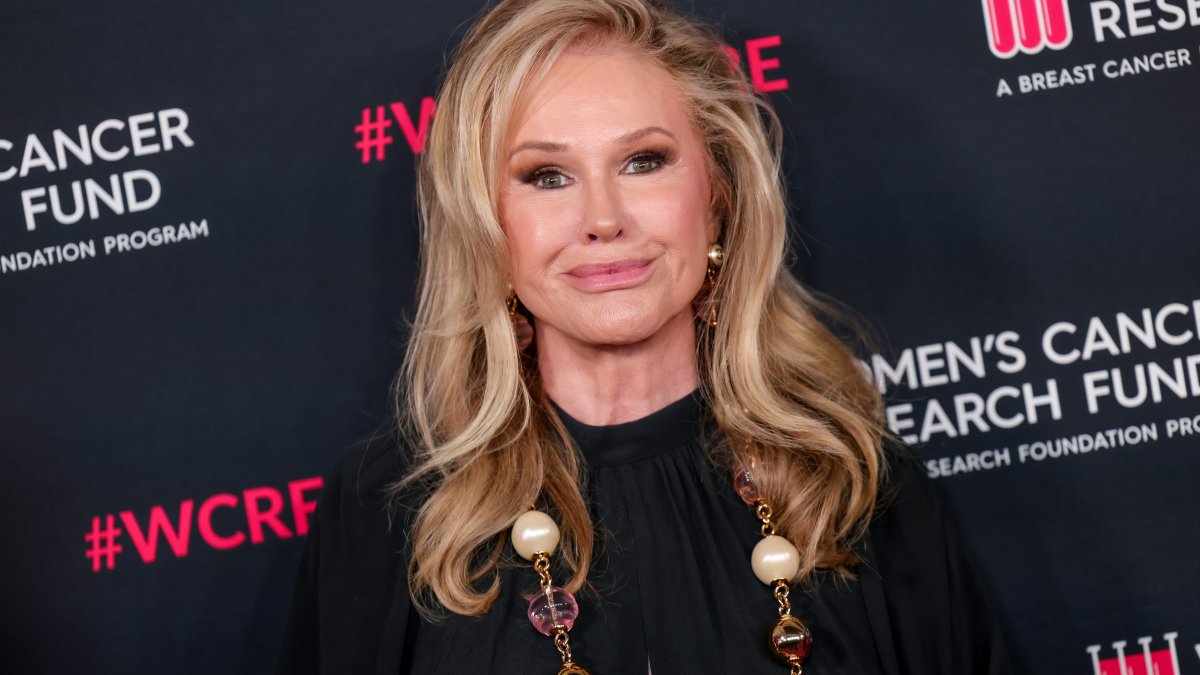
Have you ever fallen for a scam promoted by AI? Reality TV star Kathy Hilton shared her experience of trying the Jell-O diet, believing it was endorsed by celebrities like Oprah Winfrey, Michelle Obama, Kelly Clarkson, and Dr. Mehmet Oz. However, it turned out that these endorsements were actually deepfake videos created by artificial intelligence to deceive consumers.
Hilton initially saw some weight loss results on the Jell-O diet but soon experienced bloating and discomfort. She later realized that the endorsements were fake and expressed her regret for falling for the scam. Similar scams using AI-generated versions of celebrities have been circulating on social media, with no evidence of actual celebrity involvement in the diet claims.
Scammers have been using AI to create convincing deepfake videos to promote various health hacks and products. Oprah Winfrey's likeness has been used to endorse weight-loss gummies and a pink salt drink, leading to consumer complaints and confusion. It's essential to be cautious when encountering online ads featuring celebrities and to research products before making a purchase to avoid falling victim to wellness scams.
To achieve lasting weight loss, experts recommend focusing on a balanced diet rich in nutrient-dense foods, staying hydrated, getting enough sleep, and staying active. Beware of quick-fix solutions that promise rapid results, especially if they involve purchasing products online. Being skeptical of online ads and conducting thorough research can help protect you from falling for deceptive marketing tactics.
For more information on avoiding scams and making informed health decisions, visit TODAY.com for additional resources and tips. Stay vigilant and informed to safeguard your well-being and avoid falling for misleading claims promoted by AI-generated content.