Exploring Alternate Histories: TV Shows that Challenge the Past and Present
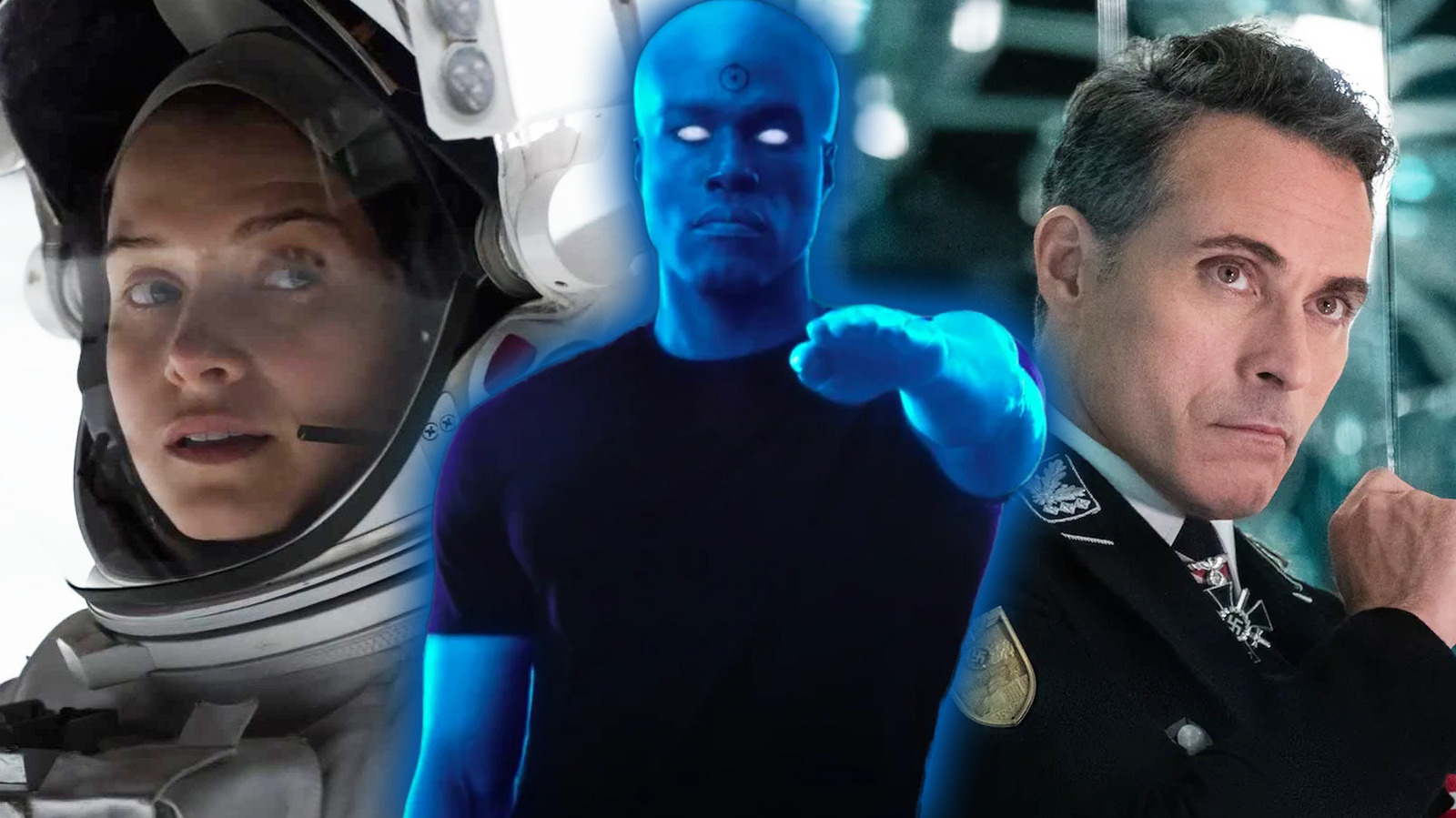
In a world where Hollywood is constantly seeking fresh yet familiar stories to captivate audiences, the subgenre of alternate history dramas remains an untapped well of potential. From the early 19th-century French novel "Napoleon and the Conquest of the World" to modern adaptations, alternate history narratives have intrigued audiences with their imaginative twists on historical events. These stories challenge viewers by presenting recognizable figures and events in new and exciting ways, offering a unique perspective on history that traditional period dramas may not provide. While the subgenre awaits further exploration, current TV shows offer a glimpse into the captivating world of alternate histories.
One such show, "Hollywood," created by Ryan Murphy and Ian Brennan, may not have received widespread acclaim, but it stands out for its imaginative use of alternative history tropes. Set in post-World War II Hollywood, the series envisions a world where marginalized artists take control of their narratives, challenging societal norms and industry standards. With a focus on emotional conflict and social movements, "Hollywood" offers a refreshing take on alternate history, inviting viewers to explore a different version of the entertainment industry.
"Noughts + Crosses," based on Malorie Blackman's young adult novels, presents a thought-provoking premise that explores the impact of British imperialism through a reversed power dynamic. In this alternate world, an African Empire dominates Europe, highlighting the consequences of historical injustices and racial tensions. The series delves into the complexities of identity and privilege, challenging viewers to reconsider the legacy of imperialism and its lasting effects on society.
"1983," a Polish political thriller, offers a unique perspective on the Cold War era, imagining a world where historical events took a different turn. Set in a Poland under authoritarian rule, the series follows the aftermath of a terrorist attack that alters the course of history, leading to a gripping conspiracy with far-reaching implications. With its dark and compelling narrative, "1983" resonates with audiences interested in political intrigue and historical drama.
Exploring the premise of "What if Nazi Germany won World War II?" is the BBC miniseries "SS-GB," which follows a Scotland Yard detective navigating a Nazi-occupied London. The series delves into the moral complexities of living under a totalitarian regime, offering a noir-inspired tale of resistance and survival. With its gripping storyline and historical backdrop, "SS-GB" immerses viewers in a world where the past takes a chilling turn.
"Fringe," a sci-fi series created by J.J. Abrams, Alex Kurtzman, and Roberto Orci, delves into the concept of parallel universes and alternate timelines. Through a blend of police procedural and multiversal intrigue, the show explores the consequences of altering key historical events, challenging viewers to question the fabric of reality. With its mind-bending twists and complex storytelling, "Fringe" offers a unique take on alternate history and speculative fiction.
"The Man in the High Castle," based on Philip K. Dick's novel, presents a dystopian world where Axis powers emerged victorious in World War II. Set in a divided America under Nazi and Japanese rule, the series follows a resistance movement that uncovers a startling revelation about the past. With its blend of science fiction and political thriller elements, "The Man in the High Castle" offers a chilling portrayal of a world shaped by alternate historical outcomes.
"Counterpart," a Starz thriller starring J.K. Simmons, explores the Cold War through the lens of parallel worlds and espionage. Set in present-day Berlin, the series follows a UN analyst who discovers a hidden reality parallel to his own, leading to a high-stakes conflict with far-reaching consequences. With its intricate plot and compelling performances, "Counterpart" offers a gripping exploration of political intrigue and personal identity.
"The Plot Against America," an HBO miniseries based on Philip Roth's novel, imagines a world where a fascist regime rises to power in the United States. Set against the backdrop of a celebrity president with authoritarian tendencies, the series parallels historical events with contemporary political themes, offering a chilling portrayal of domestic fascism. With its timely narrative and thought-provoking premise, "The Plot Against America" serves as a cautionary tale of the dangers of unchecked power and nationalism.
In a landscape dominated by traditional period dramas and familiar narratives, alternate history TV shows offer a refreshing and engaging perspective on historical events. By exploring the consequences of altered timelines and divergent paths, these series challenge viewers to rethink the past and consider the possibilities of different outcomes. With their imaginative storytelling and compelling themes, alternate history dramas provide a captivating glimpse into worlds where history took a different turn, inviting audiences to explore the complexities of human nature and societal change.