From Page to Screen: Margaret Atwood's Journey with 'The Handmaid's Tale' Adaptations
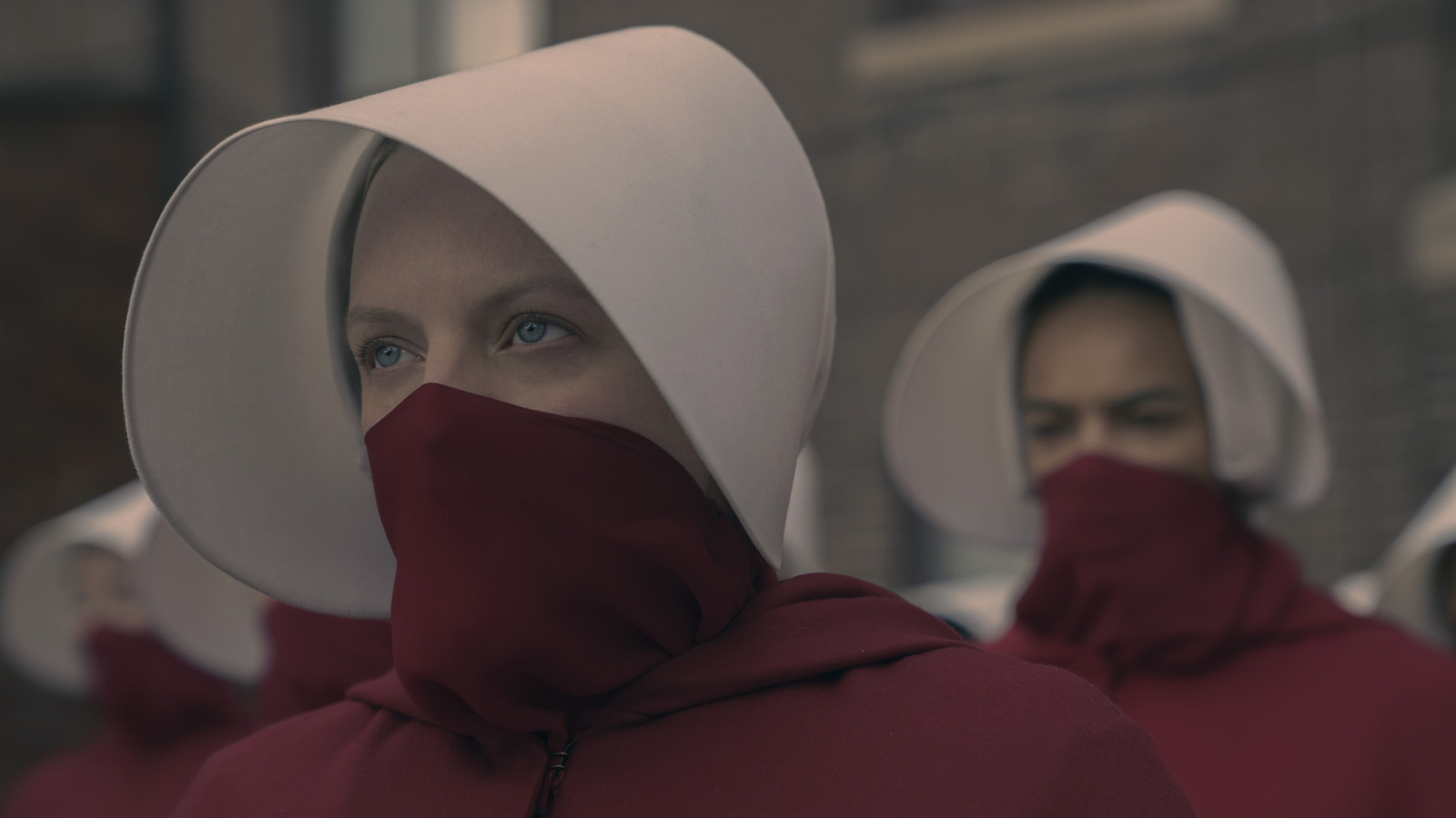
Hulu's adaptation of Margaret Atwood's iconic novel "The Handmaid's Tale" was a huge hit, spanning six seasons and expanding on the original story of oppressed women fighting back. However, Atwood was not a fan of the 1990 film adaptation directed by Volker Schlöndorff and written by Harold Pinter. She criticized the removal of the protagonist Offred's voiceover, which she believed was a crucial element missing from the movie. In contrast, Atwood praised the Hulu series for capturing the essence of the novel with Elisabeth Moss portraying Offred, also known as June, and Bruce Miller as the showrunner.
Atwood expressed her dissatisfaction with the 1990 movie adaptation of "The Handmaid's Tale," highlighting the absence of Offred's voiceover, which she believed was essential for the character's inner thoughts to be conveyed effectively. The film, starring Natasha Richardson, Faye Dunaway, and Robert Duvall, failed to capture the depth of Offred's character as portrayed in the novel and the Hulu series. In contrast, Atwood commended the TV adaptation for its faithful representation of her story and characters, attributing its success to the evolving landscape of television and the rise of streaming platforms.
The Hulu series of "The Handmaid's Tale," which premiered in 2017, received high praise from Margaret Atwood for its ability to bring her story to life in a more comprehensive manner than the 1990 film adaptation. Elisabeth Moss's portrayal of Offred, also known as June, and Bruce Miller's dedication to staying true to Atwood's vision were key factors in the series' success. Atwood appreciated the expanded storytelling made possible by the longer format of a TV series, which allowed for a more in-depth exploration of the characters and themes present in her novel.
Following the success of "The Handmaid's Tale," Margaret Atwood's world expanded with a new Hulu series based on her 2019 literary sequel, "The Testaments." This series, also overseen by Bruce Miller, delves into the aftermath of the original story, focusing on a new generation of characters in the oppressive society of Gilead. The introduction of Agnes, the long-lost daughter of June Osborne, and Daisy, a young woman drawn into the resistance movement, adds layers of complexity to the narrative, showcasing the ongoing struggle for freedom and justice in a dystopian world.
In conclusion, Margaret Atwood's journey from the original novel to the Hulu adaptations of "The Handmaid's Tale" and "The Testaments" reflects a deep commitment to storytelling and social commentary. While the 1990 film adaptation fell short of capturing the essence of her work, the Hulu series succeeded in bringing her vision to life on screen. Atwood's collaboration with Bruce Miller and the talented cast and crew has resulted in a powerful and thought-provoking exploration of themes that resonate with audiences worldwide.