The Impact of the Weakening U.S. Dollar on American Consumers and Businesses
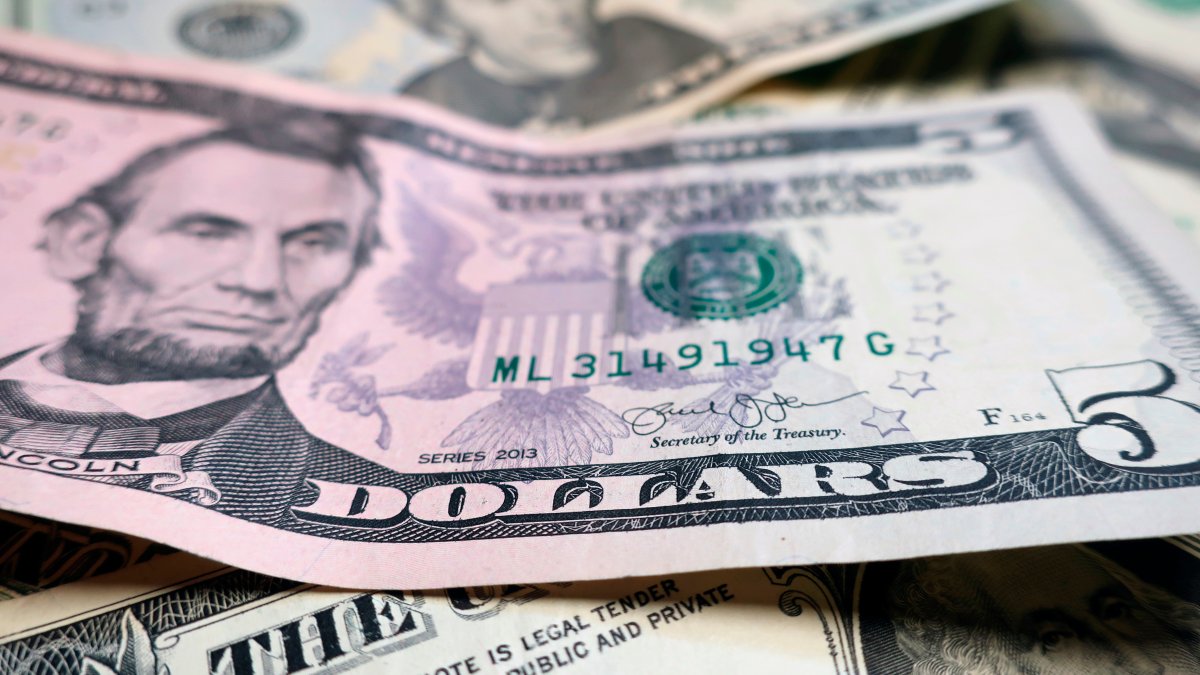
The weakening U.S. dollar is having a significant impact on Americans' purchasing power, affecting everything from travel expenses to grocery prices. The U.S. Dollar Index has experienced a substantial decline in recent years, making imports more expensive and potentially leading to higher inflation. While a strong dollar benefits American consumers by keeping prices low, a weaker dollar can boost exports but increase costs for imported goods.
President Donald Trump has expressed a preference for a weaker dollar, believing it benefits American industry. Many multinational companies have also highlighted the advantages of a weaker dollar, citing increased profits from overseas sales. However, for businesses catering primarily to domestic customers, the falling dollar can pose challenges, especially for those reliant on imported goods.
The impact of the weakening dollar is felt by American consumers when traveling abroad or purchasing goods from international sellers. The decline in the dollar's value against currencies like the Mexican peso and the Euro has made foreign travel more expensive for Americans. Additionally, the cost of imported goods, such as coffee, has risen due to currency fluctuations, adding to the financial burden on consumers.
As the dollar continues to weaken, economists predict that commodity prices, particularly fuel prices, are likely to rise. This could further strain American consumers' budgets, regardless of the dollar's value. While the current decline in the dollar is significant, experts believe it was inevitable and may continue in the coming years, impacting various sectors of the economy and consumer spending.