The Rise and Fall of the 'Halo' TV Show: A Cautionary Tale of Adaptation and Controversy
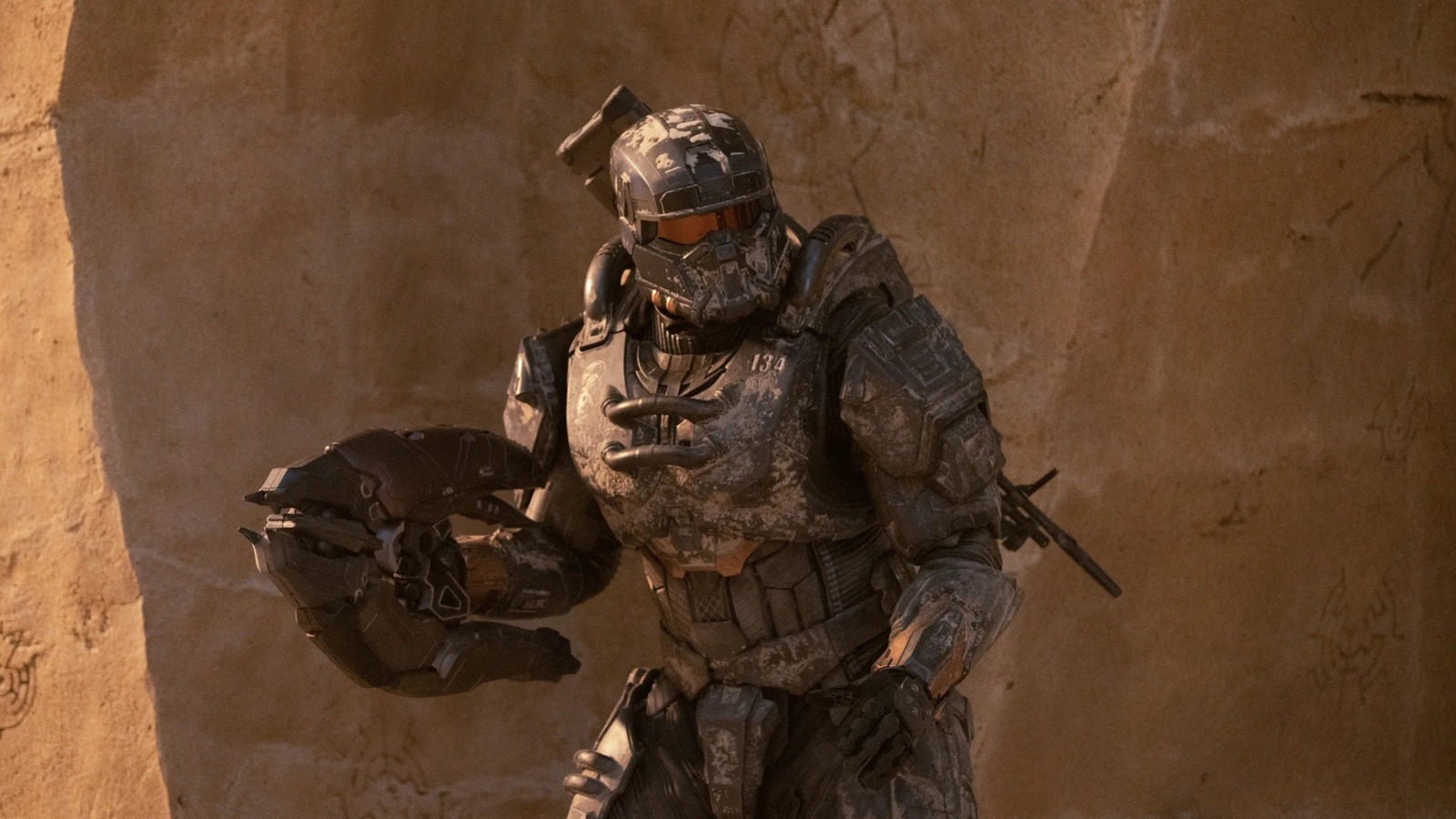
The iconic video game franchise, "Halo," made its way to the small screen with a TV show on Paramount+ in 2022, starring Pablo Schreiber as Master Chief. Despite decent reviews, the show faced mixed feedback and controversy, leading to its cancellation after just two seasons and 17 episodes. The "Halo" TV show failed to leave a lasting impact and quickly faded into obscurity, leaving fans wondering what went wrong. Several factors contributed to the show's downfall, both specific to the program and reflective of broader trends in the competitive streaming TV landscape.
The cultural significance of "Halo" peaked with the release of "Halo 3" in 2007, setting a high standard that subsequent entries struggled to match. By the time the TV show premiered in 2022, the franchise had lost some of its former glory, no longer dominating the gaming world as it once did. The timing of the show's release, amidst a plethora of other sci-fi TV series, further hindered its ability to stand out and capture audience attention. With the market saturated with competing shows, "Halo" faced an uphill battle to distinguish itself and attract viewers.
In an attempt to cater to fans of the game franchise, the "Halo" TV show encountered backlash even before its debut. From controversial creative decisions to negative comments from the show's team, the program struggled to win over its core audience. Despite efforts to appeal to fans, the show failed to establish a strong foothold, leading to ongoing criticism and controversy. The addition of a poorly received sex scene in the first season only fueled the flames of fan discontent, overshadowing any positive aspects of the show.
High production costs also played a significant role in the demise of the "Halo" TV show. With the first season reportedly costing $200 million, the show faced financial challenges that ultimately contributed to its cancellation. In an era where streaming platforms reevaluated their spending on original content, "Halo" fell victim to its extravagant budget and failed to justify the investment. Paramount+ made the decision to cut ties with the costly production, signaling the end of a show that struggled to find its place in a landscape of excess.
In conclusion, the "Halo" TV show's short-lived run highlighted the challenges of adapting a beloved video game franchise into a successful live-action series. Despite its potential, the show faced obstacles related to timing, fan reception, and financial constraints that ultimately led to its downfall. As the gaming industry continues to evolve, the legacy of "Halo" remains firmly rooted in its iconic video game roots, with the TV show serving as a cautionary tale of the complexities of translating virtual worlds into live-action storytelling.