Controversy Surrounding Czech Prime Minister Babiš: The Stork's Nest Fraud Case
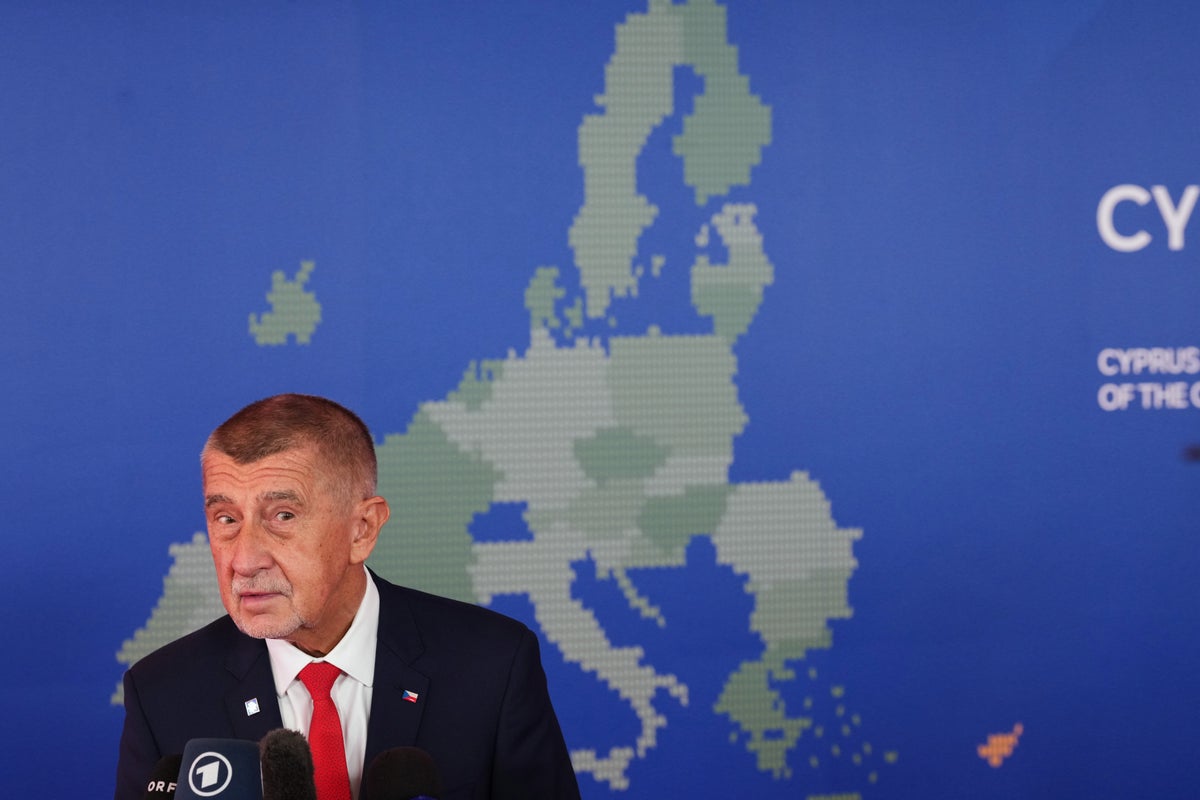
A former associate of Czech Prime Minister Andrej Babiš, Jana Nagyová, was convicted of fraud by a Czech court and received a three-year suspended sentence and a fine. Babiš was also involved in the $2 million fraud case but could not be sentenced due to his immunity from prosecution, which was not lifted by Parliament. Babiš, a populist billionaire, claimed the case was politically motivated, and he can only face trial after his term ends in 2029. Nagyová, who is now a member of the European Parliament, was fined 500,000 koruna ($24,000) by Prague’s Municipal Court. She has the option to appeal the verdict.
The case revolved around the Stork’s Nest farm, which received EU subsidies after ownership was transferred from Babiš's Agrofert conglomerate to his family members and then back to Agrofert. The subsidies were intended for small- and medium-sized enterprises, making Agrofert ineligible. The conglomerate eventually returned the subsidy. Babiš returned to power after his ANO movement won the October election and formed a coalition government with two smaller political groups, including the anti-migrant Freedom and Direct Democracy party and the right-wing Motorists party. The coalition aims to shift the country's stance on Ukraine and some EU policies.
The verdict against Jana Nagyová is subject to appeal, and the case highlights the controversy surrounding the ownership and subsidy issues related to the Stork’s Nest farm. The political implications of the case, involving a prominent figure like Babiš, have raised questions about transparency and accountability in Czech politics. The ongoing legal proceedings and potential appeals will continue to draw attention to the complexities of the case and its impact on the political landscape in the Czech Republic.