Monte Hellman and the Evolution of the American Western Genre: From Revisionist to Acid Westerns
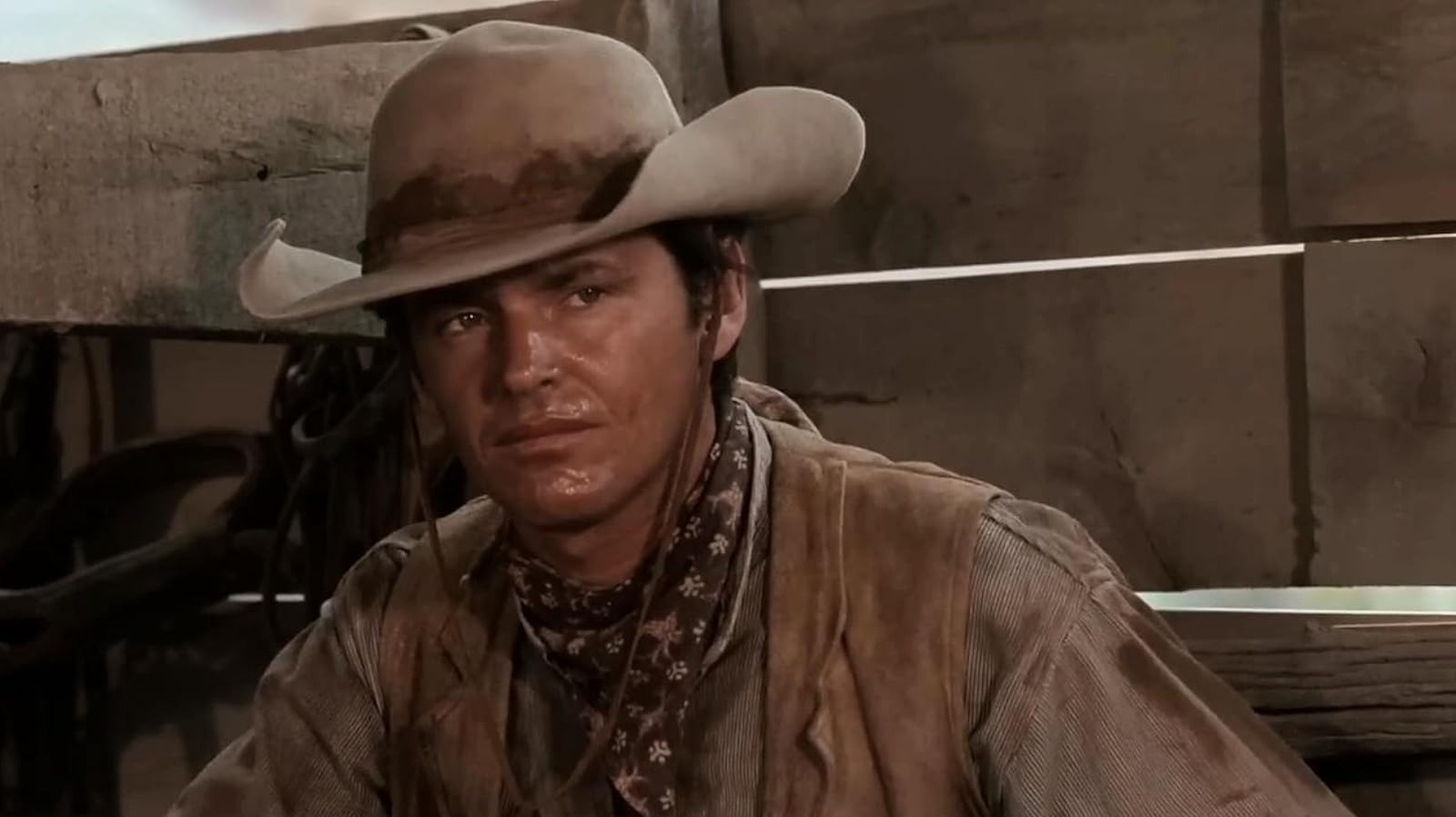
In the 1960s, the Western genre faced a challenge in maintaining audience interest, with only a few established directors like John Ford, Howard Hawks, and Budd Boetticher making successful films. However, a new generation of filmmakers emerged, bringing a fresh perspective to the genre by creating bloodier and bolder Westerns that resonated with the changing times. Directors like Sergio Leone and Dennis Hopper introduced innovative elements to Westerns, making them more appealing to a younger audience disillusioned by societal issues like the Vietnam War.
The revisionist era of the American Western began with films like John Ford's "The Man Who Shot Liberty Valance" and Sam Peckinpah's "Ride the High Country," signaling a shift in the genre's tone and themes. Clint Eastwood emerged as a prominent figure in Westerns, taking over from established stars like John Wayne. As the genre evolved, a subgenre known as the Acid Western emerged, characterized by its moody and existential themes that reflected the counterculture of the 1960s.
Monte Hellman's films "The Shooting" and "Ride in the Whirlwind" played a significant role in shaping the Acid Western subgenre. These films challenged traditional Western conventions with their unpredictable narratives and morally ambiguous characters. "The Shooting" follows a group of individuals on a mysterious journey, while "Ride in the Whirlwind" explores the consequences of being wrongly accused and pursued by vigilantes.
Despite receiving critical acclaim, Hellman's films marked the end of his partnership with Jack Nicholson. Hellman's unique filmmaking style and attention to detail set him apart as a cult favorite filmmaker, with later works like "Two-Lane Blacktop" solidifying his reputation as an auteur ahead of his time. Despite facing challenges in finding immediate success, Hellman's films have endured and found appreciation among audiences in later years, cementing his legacy in the world of cinema.