The Beatles: Overcoming Skepticism and Redefining Pop Music
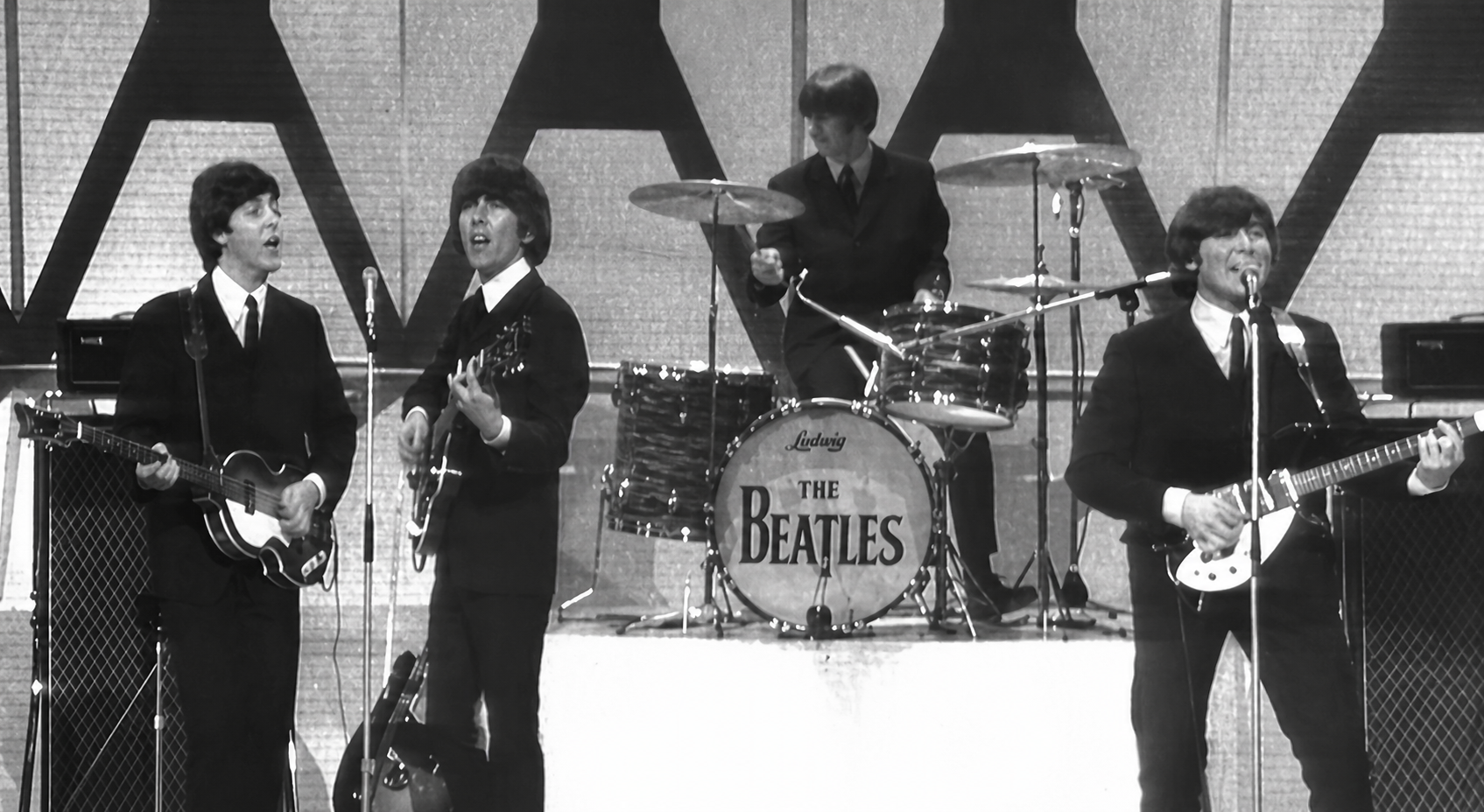
The Beatles, despite their eventual iconic status, faced initial criticism and skepticism in their early years. Many critics dismissed them as a passing trend driven by teenage fandom, attributing their commercial success to hype rather than substance. The band's rapid rise and accessible melodies were often mistaken for a lack of depth, leading to doubts about their artistry.
However, beneath the surface, songwriting partners John Lennon and Paul McCartney were rapidly evolving and experimenting with their music. Despite early critiques, there were clear signs of development and innovation in their songs. The Beatles were pushing the boundaries of pop music and learning in real time, paving the way for their future success.
While some critics were skeptical, there were also supporters of The Beatles. Bob Dylan admired the band even before meeting them, and William Mann of The Times recognized the musical complexity in their songs. Despite internal criticism from Lennon and McCartney themselves, the band continued to grow and refine their songwriting skills.
One example of this growth is the song "Misery," originally intended for Helen Shapiro but ultimately recorded by The Beatles. Written during their early days of supplying material for other artists, the track was rejected by Shapiro's manager for being too pessimistic. Despite passing it along to Kenny Lynch, who had a minor hit with it, the song's journey reflects The Beatles' perseverance and dedication to refining their craft.
In hindsight, "Misery" exemplifies The Beatles' early career trajectory, showcasing their ability to overcome skepticism and self-doubt to create music that would redefine popular music. The band's commitment to experimentation and innovation laid the foundation for their enduring legacy in the music industry.