Challenges of U.S.-Africa Aid Negotiations: Balancing Health Assistance and Mineral Access
Zambia has accused the United States of linking a $2 billion health assistance deal to access to the country's mineral resources. The tensions arose due to the U.S.'s new approach of reshaping aid to Africa into transactional agreements, which some African leaders and health experts have criticized. The U.S. is seeking to challenge China's dominance in Zambia and Africa, particularly in the green energy sector.
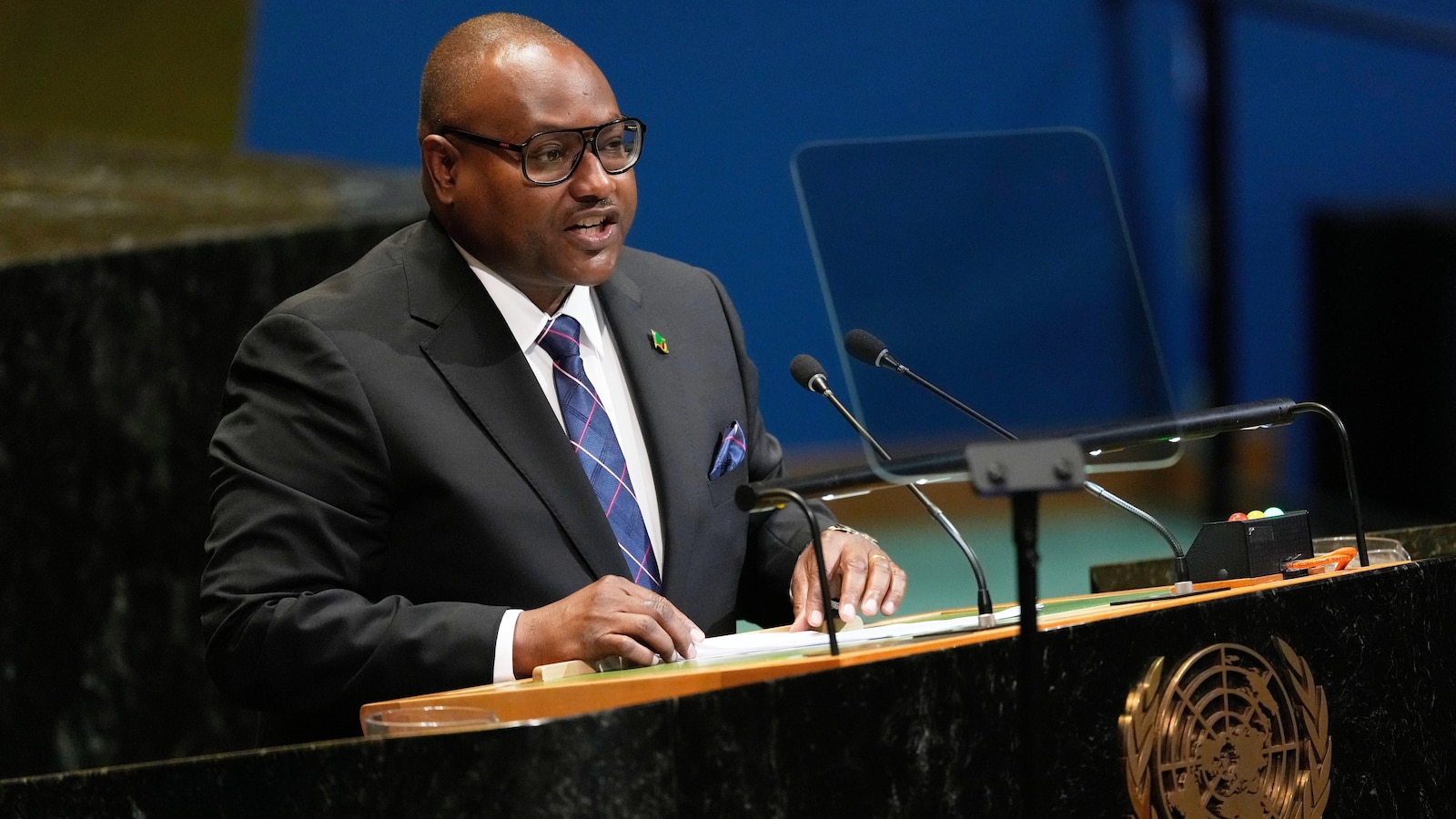
Zambia's foreign affairs minister criticized the U.S. ambassador's allegations of corruption and negotiation inertia as "mischievous" and "undiplomatic." The negotiations for the health deal have been ongoing for months, with disagreements over data-sharing demands and preferential treatment of U.S. companies over Zambia's critical minerals.
The U.S. approach to aid in Africa involves negotiating country-specific agreements that tie funding to conditions such as commercial provisions, disease surveillance, and pathogen sharing. This new approach aims to reduce donor dependency, promote local ownership, and safeguard American interests against China's influence in Africa.
Several African countries, including Ghana, Zimbabwe, and Kenya, have pushed back against the U.S. proposals due to concerns about data privacy and access to medical innovations like vaccines. Critics argue that the data-sharing demands favor U.S. interests and could create a parallel global health system that benefits Washington more than African countries.
The agreements with the U.S. have faced criticism for their closed-door negotiations, limited public scrutiny, and tighter financial conditions. Some agreements also raise concerns about advancing U.S. commercial and political interests at the expense of public health outcomes. The push for transparency and accountability in these deals is essential to ensure that aid effectively supports health systems in Africa.
In conclusion, the tensions between Zambia and the U.S. highlight the complexities of aid negotiations in Africa and the need for transparent and mutually beneficial agreements that prioritize the health and well-being of African populations. The debate over access to critical minerals and health assistance underscores the challenges of balancing economic interests with public health priorities in international relations.