GameStop's Bid for eBay: Michael Burry's Concerns and the Impact on Stock Price
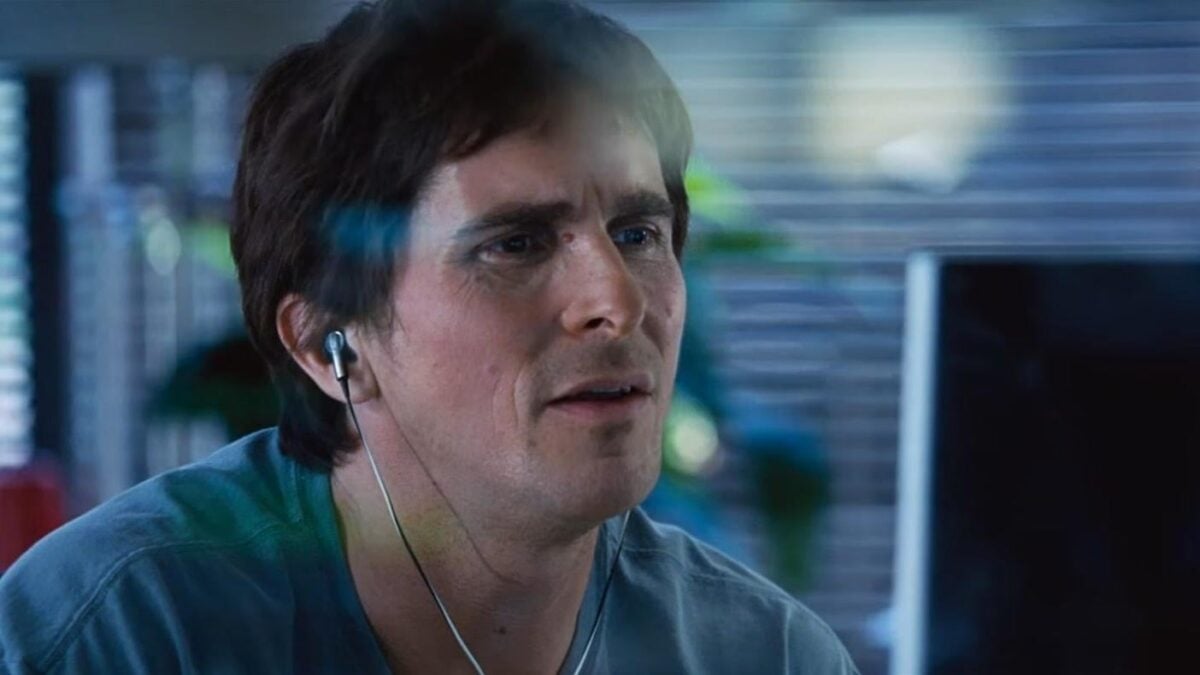
Michael Burry recently sold his entire stake in GameStop after the company made a bold bid to acquire eBay. Burry cited concerns about the heavy leverage involved in the deal, which he believed was not in line with his investment thesis. GameStop offered to buy eBay for $125 per share in cash and stock, valuing eBay at around $55.5 billion, a significant premium to its recent trading levels. However, the announcement led to a 10% drop in GameStop's stock price as investors questioned the feasibility of the deal and its impact on the company's financial health.
Burry, known for his role in the "Big Short," had envisioned GameStop transforming into a version of Berkshire Hathaway through strategic acquisitions. However, he concluded that the proposed deal with eBay would result in a debt-to-earnings ratio of 7.7 times, which he considered unsustainable. Burry pointed to other companies like Wayfair and Carvana that struggled under similar debt burdens, emphasizing the risks associated with high leverage.
The offer for eBay includes a mix of cash and stock, with GameStop securing a $20 billion financing letter from TD Bank. Despite this, there are concerns about the funding gap and the lack of a clear financing plan for the acquisition. GameStop CEO Ryan Cohen mentioned the possibility of issuing equity to fund the deal but did not provide specific details during a recent interview on CNBC.
In conclusion, Michael Burry's decision to sell his GameStop stake highlights the challenges posed by the company's ambitious bid for eBay. The heavy leverage involved in the proposed acquisition raised doubts among investors and analysts, leading to a decline in GameStop's stock price. The uncertainty surrounding the deal's financing and potential impact on GameStop's balance sheet underscores the importance of careful consideration when pursuing large-scale acquisitions in the corporate world.