The Coyote's Journey: From Angel Island to Alcatraz Island
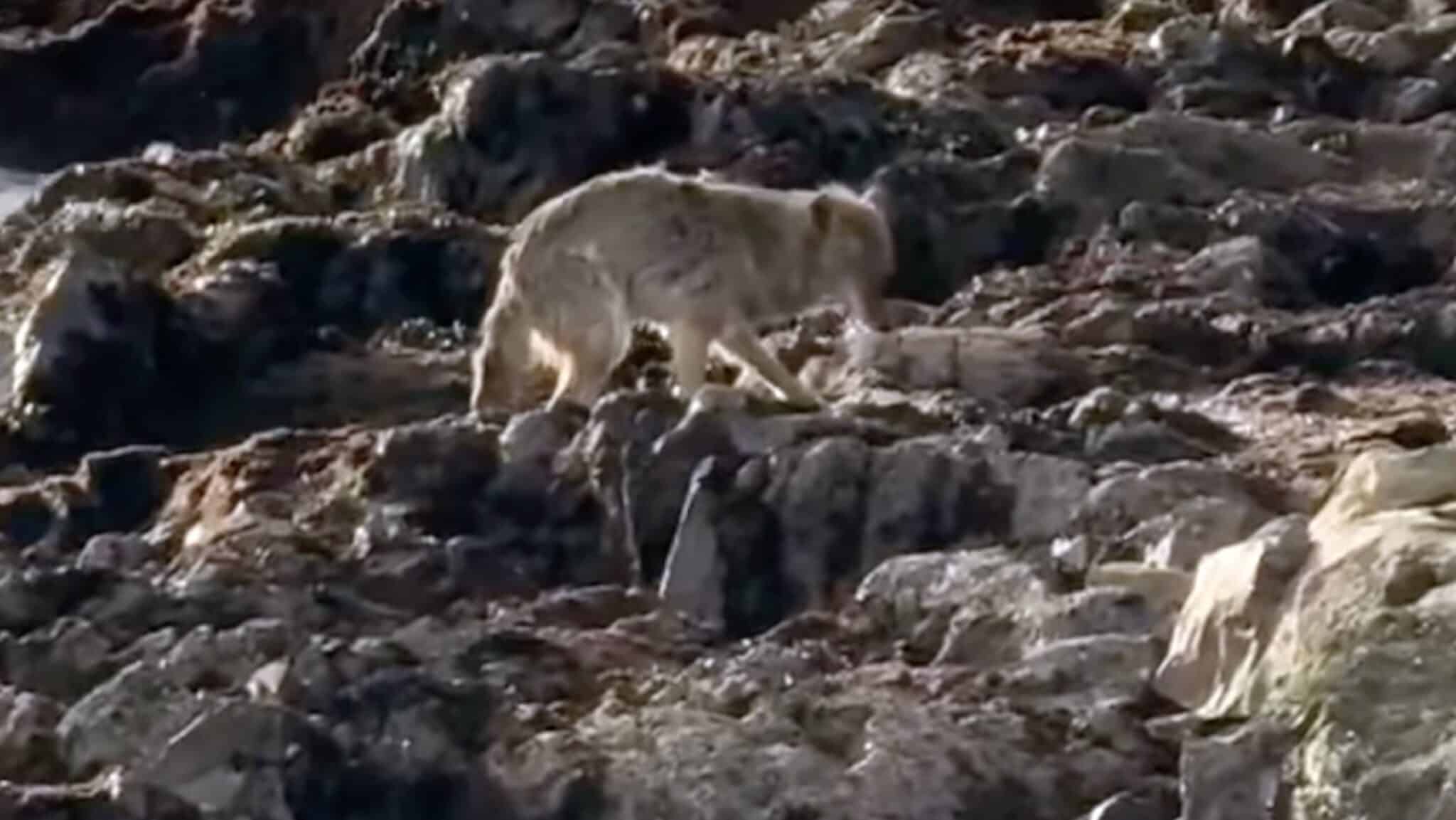
After conducting extensive fieldwork and analysis, researchers from the National Park Service have determined that the coyote that swam to Alcatraz Island in early 2026 likely originated from Angel Island State Park, rather than San Francisco as initially thought. The coyote's impressive journey to Alcatraz sparked curiosity among scientists, who were amazed by the animal's resilience and adaptability.
Following a visitor sighting and photograph on January 24th, park biologists launched an investigation on Alcatraz Island. They surveyed the area for tracks, set up trail cameras and audio recording equipment, and collected biological samples for further analysis. DNA testing conducted at the UC Davis Mammalian Ecology Unit confirmed that the coyote was male and matched him to the known coyote population on Angel Island.
The researchers considered three possible sources for the Alcatraz coyote: San Francisco, Southern Marin, and Angel Island. Through DNA analysis, the coyote was linked to the population on Angel Island, ruling out the other potential sources. Despite continuous monitoring efforts, the coyote was never seen again, and no additional evidence of his presence was recorded on cameras or audio devices. His fate remains unknown, as no remains have been found on the island.
The researchers had hoped to locate the coyote to ensure the protection of Alcatraz's seabird nesting habitat. They were prepared to capture and relocate the animal to a suitable area within the Golden Gate National Recreation Area. However, the coyote's disappearance left them with unanswered questions about his ultimate fate. Despite the uncertainty, the researchers acknowledged the coyote's remarkable swimming abilities and expressed hope that he safely returned to Angel Island.
In conclusion, the mysterious journey of the coyote to Alcatraz Island highlighted the adaptability and resilience of wildlife in urban environments. The research conducted by the National Park Service shed light on the interconnectedness of ecosystems and the importance of conservation efforts to protect wildlife populations in the San Francisco Bay Area.