The Legacy of Otis Blackwell: A Pioneer of Rock and Roll Songwriting
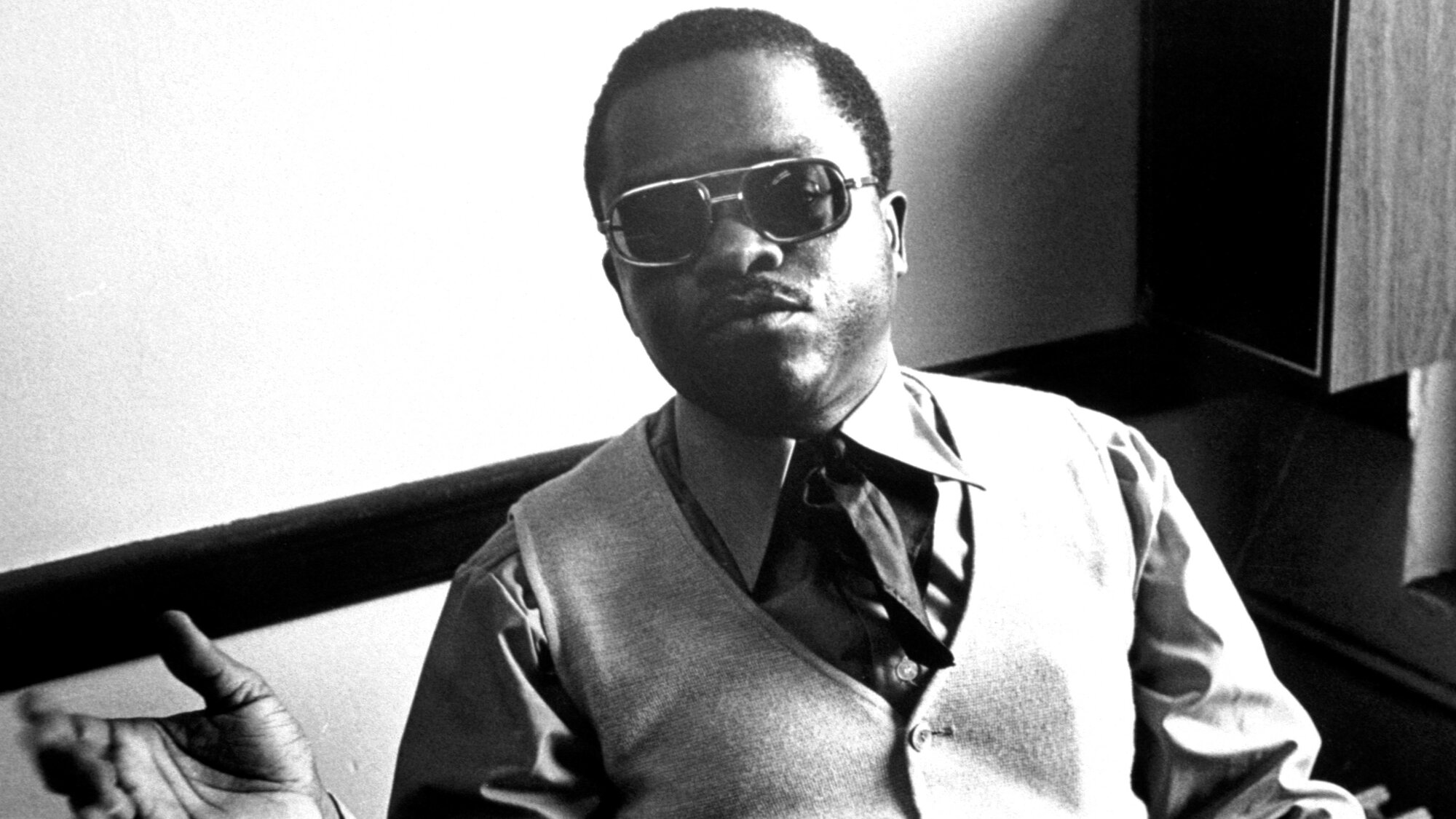
May 6, 2002, marked the passing of Otis Blackwell in Nashville, Tennessee, at the age of 71 due to a heart attack. Although not widely recognized, Blackwell's songwriting prowess left an indelible mark on early rock and roll. His compositions, such as "All Shook Up" and "Don't Be Cruel," became iconic hits for Elvis Presley, while "Great Balls of Fire" and "Breathless" found success with Jerry Lee Lewis. Blackwell's upbringing in New York City, where he was exposed to R&B and country music, influenced his unique songwriting style, contributing to the emergence of rock and roll as a genre.
Blackwell's musical journey began with a talent contest win at the Apollo Theatre in Harlem, leading to a recording contract with Jay-Dee Records. While his initial single, "Daddy Rolling Stone," did not chart, it gained popularity through Derek Martin's rendition in Jamaica. Encouraged by Joe Davis, the head of Jay-Dee Records, Blackwell transitioned to songwriting, achieving his first success with Little Willie John's rendition of "Fever" in 1956. The song's subsequent cover by Peggy Lee garnered international acclaim and earned Grammy nominations.
Despite his significant contributions to Presley's repertoire, Blackwell and the legendary singer never met in person. Presley's introduction to Blackwell's work came in 1956 with the demo of "Don't Be Cruel," a song that resonated with him instantly and became a chart-topping hit across various genres. Their collaboration extended to other hits like "Return to Sender" and "All Shook Up," with Presley drawing inspiration from Blackwell's original demos and vocal style.
Blackwell's songwriting prowess extended beyond Presley to other rock and roll icons like Jerry Lee Lewis, Dee Clark, and Jimmy Jones, who found success with his compositions. Despite a decline in popularity after the 1960s, artists like Tanya Tucker, Billy Joel, and Neil Diamond continued to interpret Blackwell's timeless songs, ensuring his legacy in the evolution of rock and pop music.
In essence, Otis Blackwell's contributions were instrumental in shaping the sound of rock and roll and modern pop music. His innovative songwriting and enduring hits have left an indelible mark on the music industry, enriching the cultural landscape with timeless classics.