Unveiling the Iconic Creation: The Story Behind '(I Can't Get No) Satisfaction' by the Rolling Stones
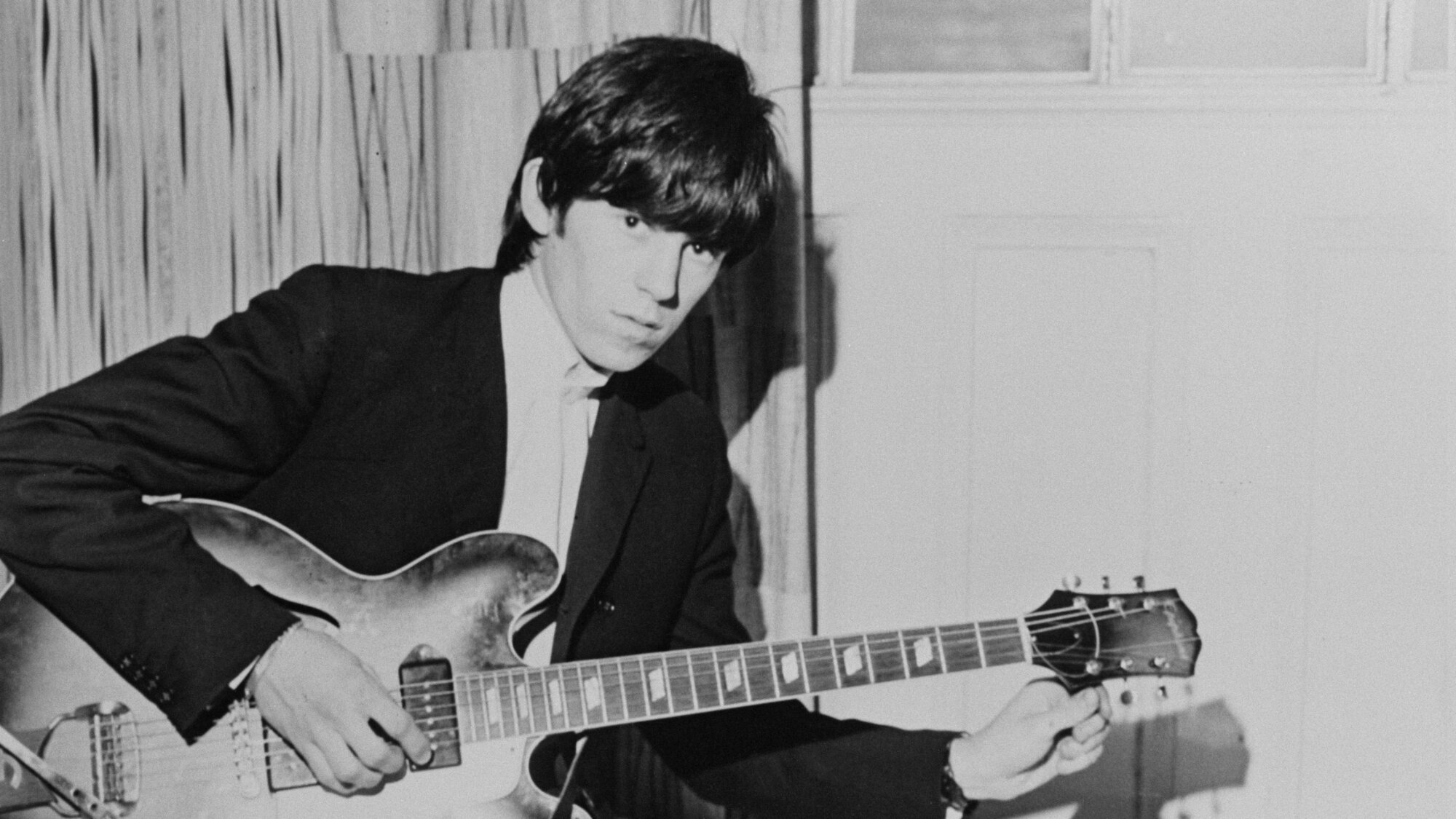
May 6, 1965, marked a significant moment in music history when Keith Richards of the Rolling Stones woke up in a Florida hotel room with a guitar riff and the iconic line "can't get no satisfaction" in his mind. This moment of inspiration led to the creation of the legendary song "(I Can't Get No) Satisfaction," which became the band's first No. 1 hit on the Billboard Hot 100 just two months later.
The inspiration for the song came after the Rolling Stones performed at the Jack Russell Stadium in Clearwater, Florida, where the concert ended in chaos due to clashes between fans and police. Following the tumultuous event, Richards recorded the riff he heard in his dreams on a portable tape deck and shared it with the band a week later, leading to the creation of the iconic track.
Richards' use of a Fuzz Box distortion pedal, a new tool in the music industry at the time, played a crucial role in shaping the sound of the song. Initially hesitant about the distorted guitar sound, Richards recorded a demo of the riff with the intention of adding a horn section. However, the band embraced the unique sound, which has since become a hallmark of rock and roll music.
Mick Jagger's observations of American culture and commercialism inspired the lyrics of "(I Can't Get No) Satisfaction," reflecting a man's search for authenticity amidst a society driven by marketing and consumerism. The song's themes of disillusionment and resistance to conformity have resonated with audiences over the years, making it a timeless and relevant piece of music history.
In conclusion, the creation of "(I Can't Get No) Satisfaction" by Keith Richards and the Rolling Stones on that fateful day in 1965 marked a pivotal moment in the band's career and in the evolution of rock music. The song's enduring popularity and cultural significance continue to captivate audiences and solidify its place as one of the greatest rock songs of all time.