Bob Dylan's 'Positively 4th Street': A Defining Moment in Authentic Songwriting
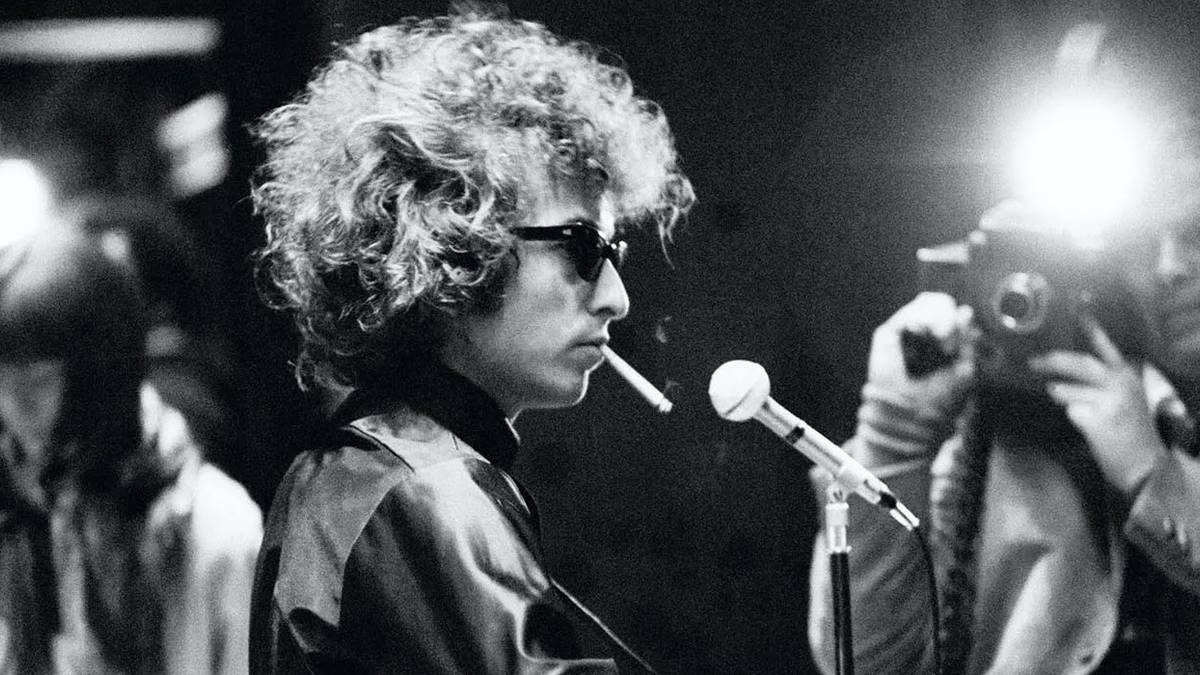
Bob Dylan is known for his ability to use honesty as a powerful tool in his music. In 1965, he released the song "Positively 4th Street," which showcased his willingness to challenge traditional songwriting norms. The track's raw emotion and confrontational lyrics set it apart from his previous work and solidified Dylan's status as a musical icon. Despite being recorded during the sessions for the 'Highway 61 Revisited' album, "Positively 4th Street" was released as a standalone track, making it a pivotal moment in Dylan's career.
From the opening line of the song, Dylan doesn't hold back in expressing his feelings of betrayal and disappointment. The track is widely believed to be directed at the folk music community and former friends, highlighting the personal pain Dylan felt at the time. By breaking away from poetic metaphors and delivering his emotions with clarity, Dylan redefined the rules of songwriting and set a new standard for authenticity in music.
"Positively 4th Street" laid the groundwork for future diss tracks and confrontational songwriting. Dylan's willingness to express his unfiltered emotions in the song paved the way for artists to explore complex feelings in their music. Six decades later, the impact of "Positively 4th Street" still resonates, showcasing the enduring power of honest and unapologetic songwriting. Dylan's decision to break down the barriers between artist and audience remains a defining moment in music history.
The legacy of "Positively 4th Street" continues to inspire discussions about the power of authenticity and emotional expression in music. Dylan's ability to capture real and complicated emotions in a single song has transcended time, reminding listeners of the universal impact that music can have. By embracing vulnerability and honesty in his music, Dylan created a timeless masterpiece that continues to resonate with audiences today.