Exploring the Evolution of The Rolling Stones' 'Paint It Black' and the Band's Musical Innovation
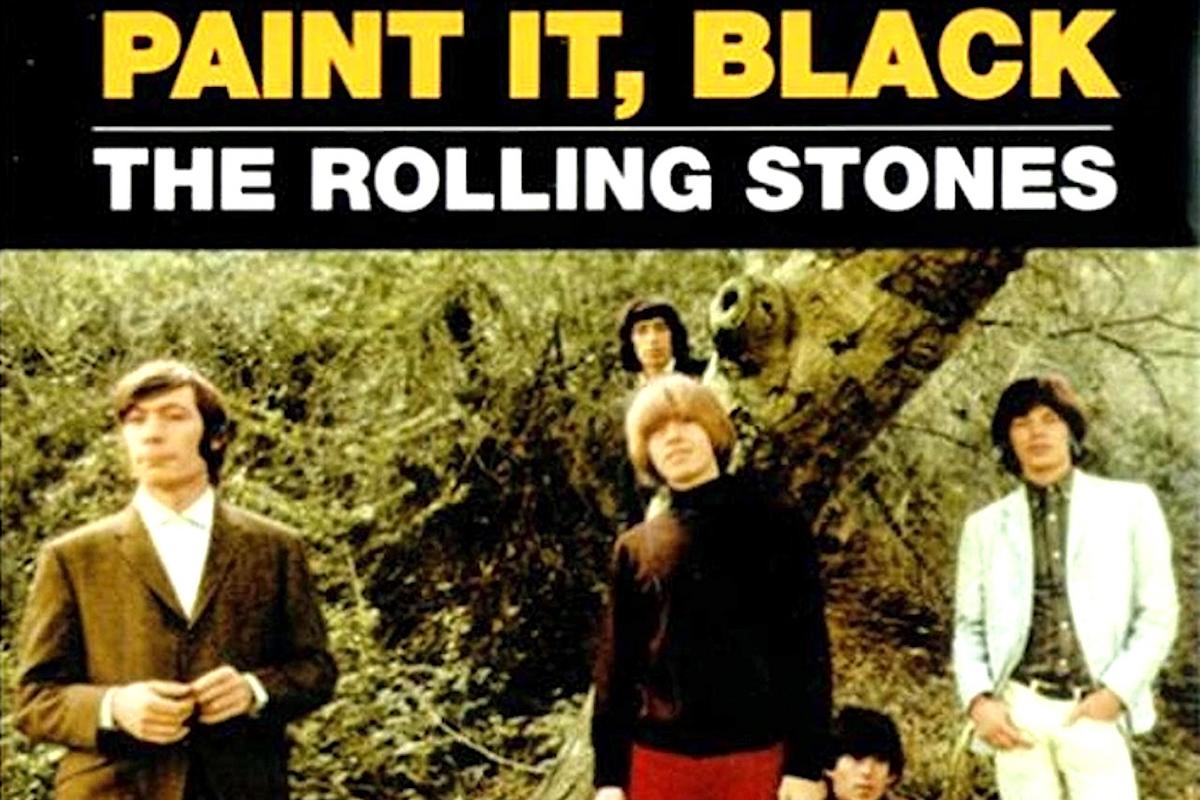
The Rolling Stones' music took a darker turn as they delved into themes of rebellion and disenchantment in the 1960s. Hits like \"(I Can't Get No) Satisfaction\" and \"19th Nervous Breakdown\" resonated with the turbulent times. However, it was the release of \"Paint It Black\" in 1966 that marked a significant shift in their sound. Initially conceived as a simple beat group number, the song evolved into a complex and layered track with the help of the band's overlooked members.
Bill Wyman, the bassist, played a crucial role in enhancing the song's bottom end by adding an exotic cadence using a Hammond organ. His innovative approach, combined with Charlie Watts' drumming, transformed the song's rhythm and gave it a unique texture. Brian Jones, the multi-instrumentalist, further enriched the track by incorporating the sitar, a sound he had been exploring after being inspired by George Harrison of the Beatles.
Jones' mastery of the sitar added a new dimension to \"Paint It Black,\" elevating it to a whole new level. Despite the contributions of Wyman and Jones, the song was officially credited only to Mick Jagger and Keith Richards. This practice of crediting songs to Jagger and Richards, regardless of the collaborative efforts, was a common occurrence within the band.
Over the years, Keith Richards took over Brian Jones' sitar part during live performances of \"Paint It Black,\" showcasing the evolution of the song and the band's dynamic. Despite the challenges and changes within the group, the legacy of \"Paint It Black\" endures as a testament to the Rolling Stones' musical innovation and creativity.