Talking Heads: The Creative Tensions and Musical Legacy
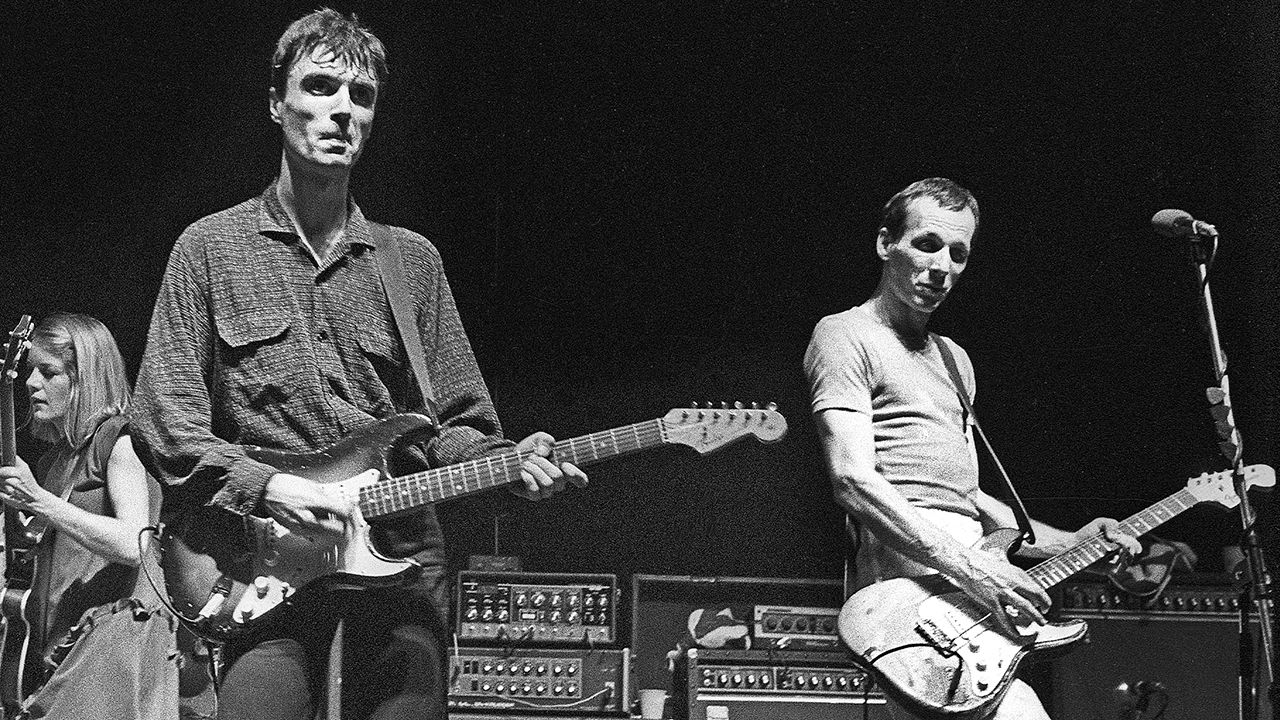
The post-punk art quartet Talking Heads faced creative tensions during their career, but they emphasize that no one died during the making of their records. Prog magazine highlighted the band's progressive nature in 2012, noting the influence of musicians like Adrian Belew. The band, consisting of David Byrne, Chris Frantz, Tina Weymouth, and Jerry Harrison, gained recognition in 1977 from New York's CBGB scene, standing out among their peers.
David Byrne's intense presence and the band's unique sound set them apart from other bands of the time. Their hit song "Psycho Killer" showcased Byrne's disturbing yet captivating persona. Despite appearing unassuming, Byrne's eccentricity led to questions about his genius or madness, with Weymouth acknowledging the truth lies somewhere in between.
Their 1980 album "Remain In Light" marked a peak in their exploration of world music, incorporating additional musicians like Bernie Worrell and Adrian Belew. While the band faced internal tensions during recording sessions, Belew remained neutral and focused on enjoying the experience. Weymouth recalls conflicts and temper tantrums as fame overwhelmed Byrne, leading to a tumultuous period in the band's history.
Rumors of replacing Byrne with Belew surfaced, but the idea was deemed destructive for the band's dynamic. Despite the challenges, Talking Heads released albums like "Speaking In Tongues," "Little Creatures," and "Naked," which saw a shift towards more mainstream success with hits like "Road To Nowhere" and "Burning Down The House." As Byrne pursued solo projects, tensions grew among the band members, ultimately leading to their disbandment.
Frantz reflects on the band's chemistry and acknowledges that all good things come to an end. Weymouth humorously notes that no lives were lost in the creation of Talking Heads' music, highlighting the band's enduring legacy and impact on the music industry.