US-Iran Conflict Escalates: Diplomatic Efforts for Interim Deal in the Middle East
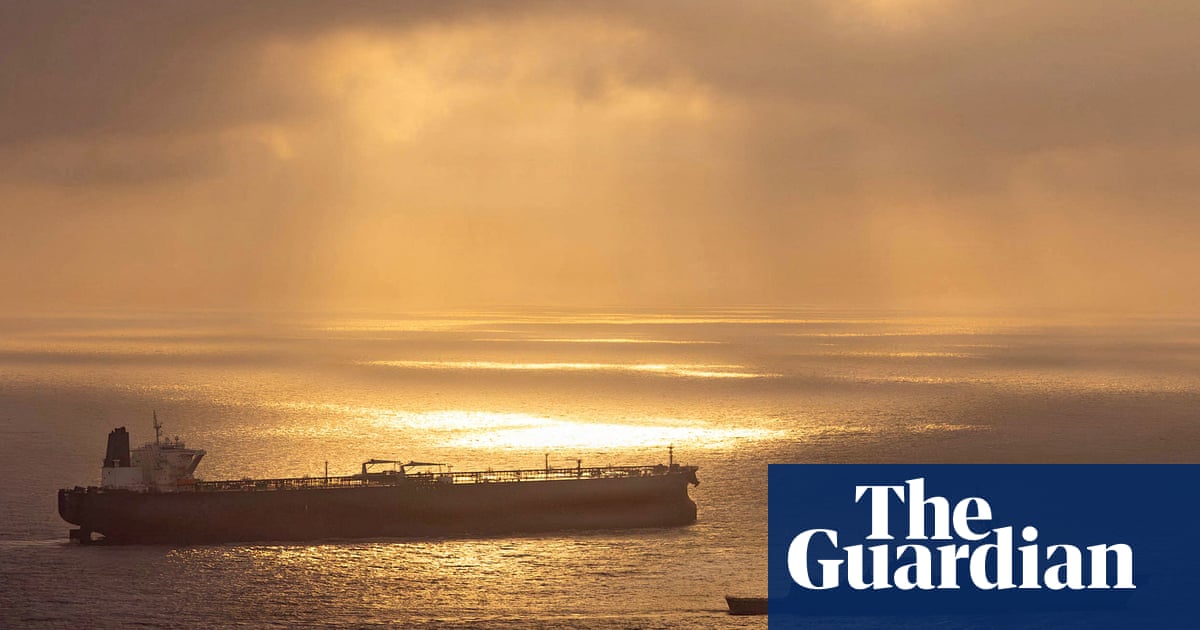
The US Secretary of State is awaiting a response from Iran regarding proposals for an interim deal to resolve the conflict in the Middle East. Recent clashes in the Strait of Hormuz have intensified following Donald Trump's announcement of a naval mission aimed at opening the waterway. US forces disabled two Iranian tankers attempting to breach the blockade. Diplomatic efforts are ongoing, with Pakistan mediating between the US and Iran to establish a more solid ceasefire for further negotiations.
The US and Iran have been engaging in belligerent rhetoric and sporadic violence to gain leverage in potential talks. Iran accused the US of breaching the ceasefire and boasted about expanding its ballistic missile capabilities during the pause in hostilities. Control of the strait and the threat to restart attacks on Gulf countries' infrastructure are key negotiation points. The US has blockaded Iran to pressure Tehran, aiming to eliminate Iran's missile arsenal in any future negotiations.
Iran reported casualties from US attacks near the strait of Hormuz, while the UAE responded to Iranian missile strikes. Trump stated that the ceasefire is holding, but the prospects of an interim deal before his visit to China seem uncertain. The US proposal includes a formal ceasefire leading to talks on contentious issues like Iran's nuclear program. Global stocks rose on hopes of a deal, but oil prices fluctuated. The closure of the strait has caused a rise in fuel prices globally and threatens a recession.
Pakistani officials are optimistic about a potential deal, with hopes for progress before Trump's visit to China. The US military destroyed Iranian boats and weapons after sending warships to guide tankers through the strait. Iranian leaders are divided on engaging in talks with the US, with some preferring to delay negotiations until closer to the US midterm elections. Failure to reach an agreement could lead to increased tensions and economic sanctions on Iran.
An agreement between the US and Iran could also ease tensions in Lebanon, where a truce was threatened by Israeli strikes on Hezbollah targets. The situation remains volatile, with air raid sirens sounding in northern Israel after shelling from Lebanon. The conflict in the Middle East continues to be a source of concern for global stability.
In conclusion, the ongoing conflict between the US and Iran in the Middle East has escalated in recent days, with hopes for a potential interim deal to resolve the crisis. The situation remains tense, with both sides engaging in military actions and diplomatic efforts to gain leverage. The outcome of the negotiations will have significant implications for regional stability and global economic conditions.