John Woo's Hollywood Odyssey: From Violent Action to Mainstream Appeal
John Woo, a renowned filmmaker from Hong Kong known for his action-packed movies like "The Killer" and "Hard Boiled," made a transition to Hollywood despite his signature style being too violent for American studios. Hollywood often seeks international talent for their unique perspectives but tends to dilute their work to fit the mainstream American mold.
Woo's love for Hollywood cinema is evident in his action sequences, which draw inspiration from Westerns and gangster films but are executed with a flair reminiscent of Fred Astaire. While Hollywood wanted Woo's style, they were hesitant to embrace his violent tendencies, preferring a more sanitized version of his work that showcased their stars in a cool light.
Although Woo's initial Hollywood films, "Hard Target" and "Broken Arrow," were well-received, it was his unconventional movie "Face/Off" that truly showcased his directorial prowess. Subsequent projects like "Windtalkers" and "Mission: Impossible II" faced mixed reviews, with critics and audiences questioning the direction of his Hollywood career.
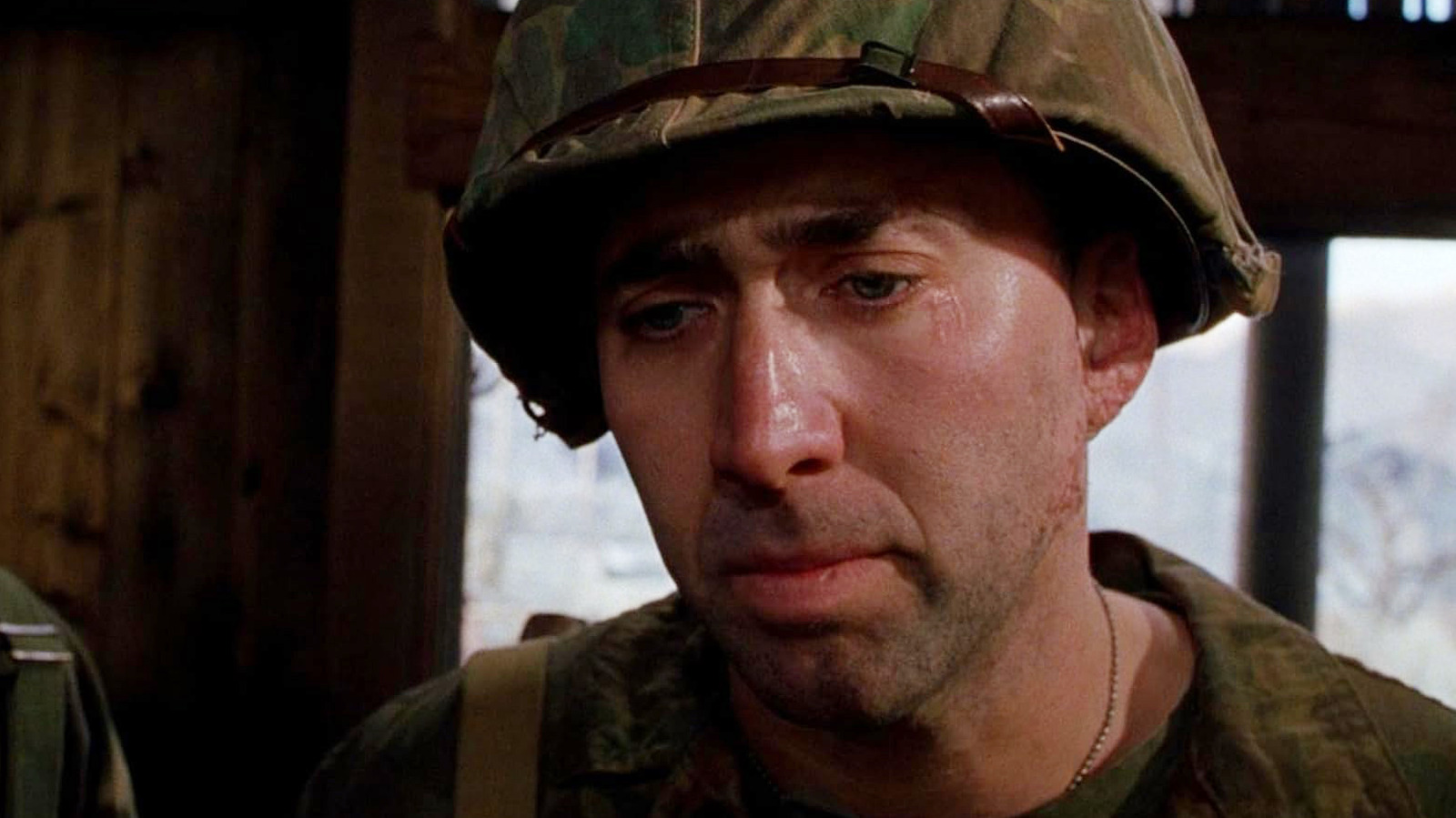
"Windtalkers," a World War II epic about Navajo Marines who played a crucial role in the Battle of Iwo Jima, faced challenges during production as Woo's vision clashed with the studio's expectations. Despite a significant budget and star power from Nicolas Cage, the film failed to resonate with audiences and critics, leading to financial disappointment.
The delayed release of "Windtalkers" post-9/11 resulted in significant edits to the film, altering its original vision. While the movie struggled at the box office, some critics, like Stephanie Zacharak from Salon, praised it as Woo's best American film. The film's director's cut offers a more nuanced perspective on the story, highlighting its potential greatness.
One of the film's criticisms was the relegation of Indigenous American actors Adam Beach and Robert Willie to supporting roles, overshadowed by the need for major stars in lead roles. Despite its flaws, "Windtalkers" remains a testament to Woo's ambition and dedication to exploring themes of friendship and honor in the context of war.