Twister: A Classic Blockbuster Revisited - Unveiling the Flaws and Charms of the 1996 Tornado Thriller
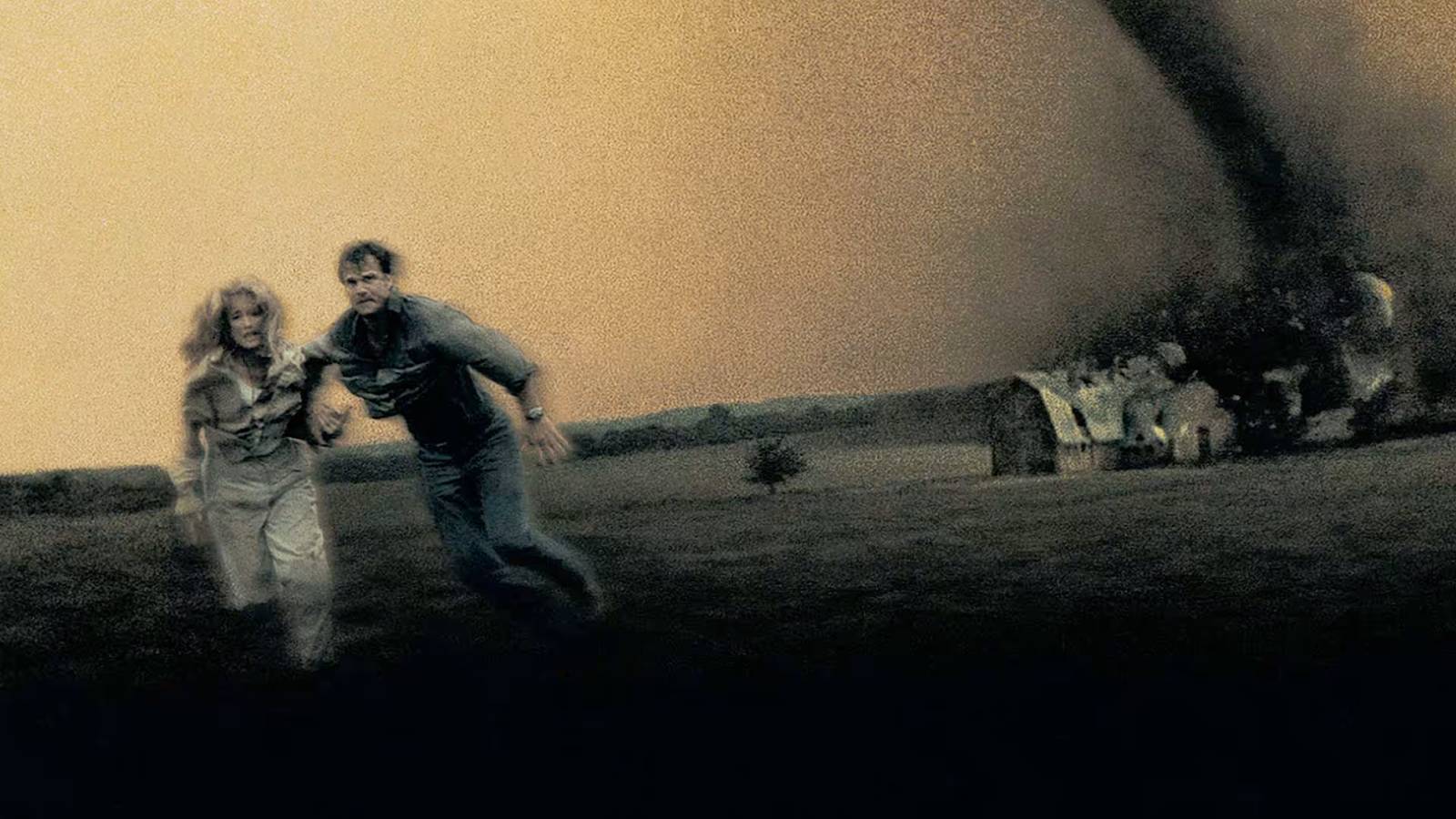
Twister, released in 1996, remains a classic blockbuster movie with its thrilling tornado sequences and charismatic cast led by Helen Hunt and Bill Paxton. The story follows storm chasers Jo and Bill Harding as they race across Oklahoma to deploy a tornado tracking device called Dorothy while navigating their complicated personal relationship. The movie was a loud, emotional spectacle that captured audiences' attention with its impressive practical effects and intense tornado sequences.
Despite its enduring popularity, Twister does show some signs of aging when viewed today. The plot's inconsistencies around technology and tornado logic, as well as the characters' questionable decisions, become more apparent upon closer inspection. The movie's reliance on changing rules and unpredictable storm behavior can detract from the overall viewing experience, highlighting some flaws in the storytelling.
While the visual effects in Twister were groundbreaking at the time of its release, some of the CGI moments now appear less polished and more cartoonish. The contrast between the practical effects and the digital shots can be noticeable, with certain scenes resembling video game cutscenes rather than realistic disaster scenarios. The movie's reliance on CGI for certain sequences may not hold up as well compared to its practical effects work.
Bill Paxton's character, Bill Harding, is portrayed as the heroic lead in Twister, but upon revisiting the film, his actions can come across as selfish and arrogant. Bill's treatment of his fiancée Melissa and his reckless behavior during storm chasing missions may be viewed differently by modern audiences. His character's flaws and questionable decisions are more apparent when analyzed through a contemporary lens.
The ensemble cast of Twister brings a lot of personality to the film, with eccentric and quotable characters adding to the overall entertainment value. However, beneath their charisma, many characters exhibit selfish and immature behavior, romanticizing recklessness and professional jealousy. The chemistry between the actors helps maintain a fun atmosphere, even when the characters' actions may be frustrating or irresponsible.
Twister's pacing can feel uneven upon rewatching, with abrupt transitions between tones and a mix of tension-building moments and character-driven scenes. The movie's momentum may seem rougher than remembered, as it shifts between intense tornado chases and personal conflicts without always finding a seamless balance. While the tornado sequences remain exciting, the pacing of the film can be a bit jarring for modern audiences.
The tension in Twister often stems from characters making reckless decisions to create more danger, rather than natural conflicts driven by the tornadoes themselves. Instances of characters manufacturing problems for dramatic effect can be more noticeable upon revisiting the film, highlighting the contrived nature of certain scenes. The exaggerated setup for action sequences and competitive tone of tornado pursuits may feel less authentic and more formulaic.
Communication breakdowns and misunderstandings among characters in Twister contribute to the film's tension but can also feel frustrating when viewed today. The lack of clear explanations, withheld information, and avoidance of simple conversations for the sake of heightened drama can make certain scenes seem contrived. Characters' failure to communicate effectively leads to unnecessary conflicts and misunderstandings that could have been easily resolved.
The absence of Jo's mother after the opening sequence in Twister raises questions about the emotional setup and payoff in the narrative. While the film initially establishes Jo's family trauma and her mother's protective role, the focus shifts to Aunt Meg without addressing the mother's absence. The emotional thread introduced in the beginning does not receive a proper resolution, leaving a gap in the character development and relationship dynamics.
The climax of Twister delivers an exciting but increasingly over-the-top sequence that prioritizes spectacle over realism. The final tornado chase becomes more ridiculous as it escalates with improbable obstacles and blockbuster logic driving the action. While the climax may have thrilled audiences in 1996, today it may come across as exaggerated and bordering on self-parody, emphasizing the movie's reliance on visual spectacle.
Twister's enduring appeal lies in its groundbreaking tornado effects that captivated audiences in 1996. The movie's impressive visuals and intense storm sequences set a new standard for disaster films at the time. While some aspects of Twister may not hold up as well upon revisiting, its charismatic cast, thrilling action, and entertaining characters continue to make it a beloved classic for fans of the genre.