Reinventing Bowie: The Tin Machine Experiment
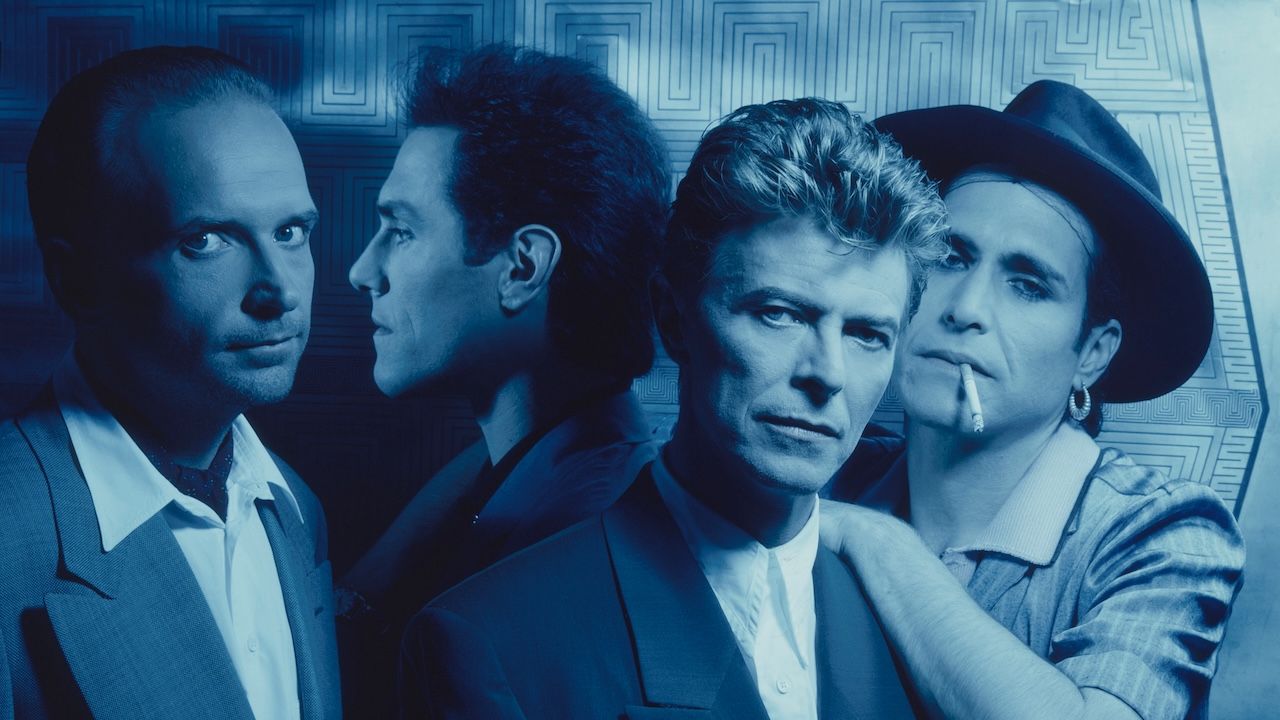
David Bowie faced a creative block in the mid-'80s after the success of his album Let's Dance. Feeling uninspired, Bowie sought a new direction to revitalize his career. He found a musical partner in guitarist Reeves Gabrels, who brought a fresh perspective to Bowie's music. Together, they created a sound that drew from various influences, including rock, punk, and noise-rock.
The duo's collaboration led them to form a band called Tin Machine, with the addition of Tony and Hunt Sales on drums and bass. Despite initial challenges and criticism, Tin Machine released their self-titled album in 1989, which garnered mixed reviews but achieved moderate commercial success. The band's bold and intense music style resonated with some listeners, showcasing a different side of Bowie's artistry.
Following the release of their second album, Tin Machine II, in 1991, the band faced even harsher criticism. Despite the negative reception, Bowie remained committed to the project, appreciating the creative energy it brought to his music. Tin Machine eventually disbanded in 1992 due to personal issues within the group, but Bowie reflected fondly on the experience, acknowledging the impact it had on his musical journey.
Looking back on his time with Tin Machine, Bowie credited the band with reigniting his passion for music and pushing him to explore new creative territories. The unconventional nature of the band's music challenged Bowie to break away from his past work and embrace a more adventurous approach to his artistry. Despite the mixed reactions to Tin Machine's music, Bowie found value in the experience and the opportunity to reinvent himself as an artist.