Sheldon's Memoir: Unraveling the Discrepancies Between 'The Big Bang Theory' and 'Young Sheldon
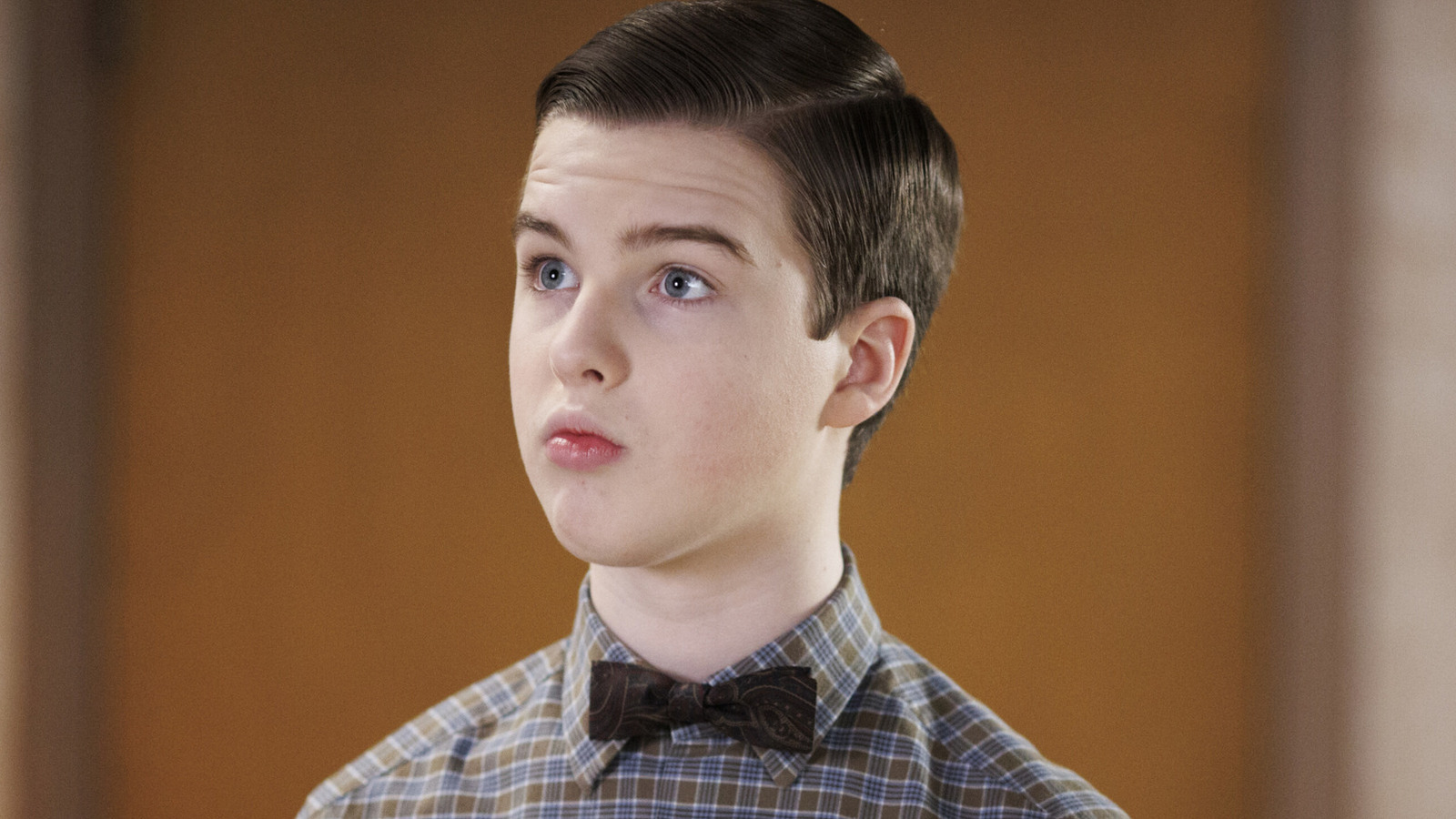
Welcome to our weekly column, "Fanon Fixing Canon," where we delve into the discrepancies and plot holes in popular TV shows. In this edition, we explore the relationship between "The Big Bang Theory" and its prequel, "Young Sheldon," and how they differ in terms of canon. The two shows present conflicting narratives about Sheldon Cooper's early life, leaving fans questioning the continuity between them. Is "Young Sheldon" intentionally disregarding established facts from "The Big Bang Theory," or is there a deeper explanation behind the inconsistencies?
One plausible solution to the disparities between the two shows lies in the revelation from the "Young Sheldon" finale, "Memoir," where adult Sheldon is revealed to be writing a memoir. This narrative device suggests that the discrepancies in Sheldon's backstory could be attributed to artistic liberties and embellishments by the author. By framing "Young Sheldon" as a memoir, the show allows for creative reinterpretations of Sheldon's past, offering a fresh perspective on his character and relationships.
A major difference between the two shows is the portrayal of George Cooper Sr., Sheldon's father, who is depicted as a more compassionate and caring figure in "Young Sheldon" compared to his troubled depiction in "The Big Bang Theory." Similarly, Sheldon's Meemaw is portrayed in a kinder light in the prequel series, showcasing a different side to her character. These alterations in character dynamics and relationships could be seen as deliberate choices to enhance the narrative of "Young Sheldon" and provide a more nuanced portrayal of Sheldon's upbringing.
As a highly intelligent and self-aware individual, Sheldon Cooper may be inclined to present a more favorable version of his childhood in his memoir. By crafting a narrative that paints him and his loved ones in a more positive light, Sheldon could be shaping his legacy for future generations of aspiring scientists who may look up to him. This strategic approach to storytelling aligns with Sheldon's ego and desire to leave a lasting impression on those who follow in his footsteps.
While Sheldon's memoir may offer a polished and idealized version of his past, it also opens him up to potential scrutiny and challenges from those who know the truth. The risk of being exposed for embellishing his childhood experiences could lead to embarrassing situations for Sheldon, but his unwavering belief in his version of events may shield him from any doubts or criticisms. Ultimately, the concept of Sheldon rewriting his own history adds a layer of complexity to his character and invites viewers to question the authenticity of his narrative.
In conclusion, the notion of Sheldon Cooper crafting a memoir to reshape his childhood experiences offers a compelling explanation for the discrepancies between "The Big Bang Theory" and "Young Sheldon." By viewing the prequel series through the lens of a memoir, fans can appreciate the creative liberties taken by the show's creators and the intriguing possibilities that arise from reimagining Sheldon's past. As the legacy of Sheldon Cooper continues to evolve, his memoir serves as a testament to his enduring legacy and the enduring impact of his unique personality.