Cannes on Screen: Films That Captured the Essence of the Cannes Film Festival
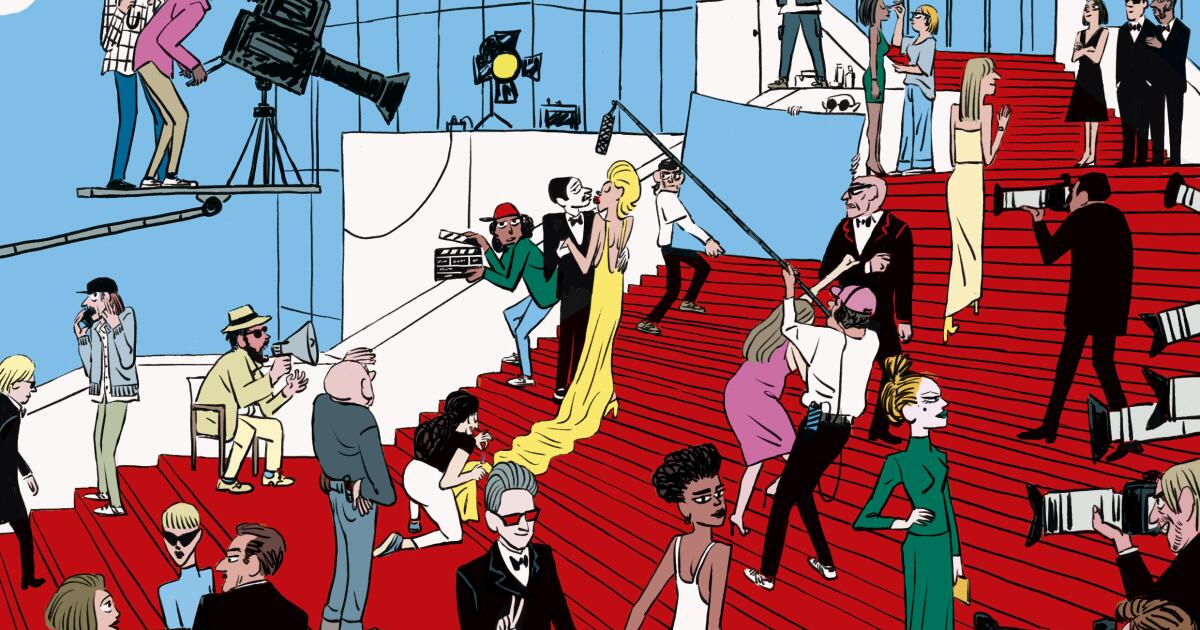
Numerous films have used the Cannes Film Festival as a backdrop, with only a few actually filming within the festival's official spaces. Many productions have creatively captured the essence of Cannes through resourceful camerawork and editing. Some movies have even recreated their festival scenes in entirely different locations, showcasing the versatility of filmmaking.
One example is the film "The American Success Company," directed by Michael Ritchie, which tells the story of an American filmmaker who falls for the wife of a powerful Italian producer at the Cannes Film Festival. The movie was shot in Cannes, Nice, and the Côte d’Azur, capturing the festival atmosphere. Despite mixed reviews, the film provided a glimpse into the world of the Cannes Film Festival.
Another film, "The Last Horror Film," directed by David Winters, was shot guerrilla-style across the 1981 festival, using its real-time commotion and key locations as a vivid backdrop. The low-budget slasher movie gained cult status over the years, thanks to its unique filming approach and the performances of its cast.
Similarly, the indie mockumentary "Cannes Man," starring Seymour Cassel, was shot guerrilla-style during the 1995 festival. The film offers a satirical look at Hollywood machinations and features celebrity cameos, adding to its charm and humor.
In contrast, the TV movie "Murder at the Cannes Film Festival" was able to capture essential footage at the 2000 festival, thanks to corporate synergy with E! Entertainment Television. The film, a breezy whodunit, utilized existing permits and technicians to create a realistic portrayal of the festival atmosphere.
Director Henry Jaglom brought his freewheeling style to the film "Festival in Cannes," shot in and around the 1999 festival. The movie follows a diverse cast as they navigate the grand event in search of romance, fame, and movie deals. Despite being independently financed, the film was well-received and showcased Jaglom's unique storytelling approach.
The erotic thriller "Femme Fatale," directed by Brian De Palma, features a diamond heist during a Cannes film premiere. Shot at the 2001 festival, the film captures the excitement of the red carpet and spins a twisty plot into motion. Despite a tepid response, the movie's elaborate robbery sequence stands out as a highlight.
In "Mr. Bean's Holiday," the beloved character played by Rowan Atkinson finds himself at the Cannes Film Festival, creating comedic chaos along the way. The film cleverly blends actual festival exteriors with staged material, offering a humorous take on the festival experience.
Lastly, the comedy "Claire's Camera," directed by Hong Sang-soo, follows a Parisian music teacher who befriends a Korean film-sales assistant at Cannes. Shot during the 2016 festival, the movie captures the charm of Cannes and premiered to positive reviews, showcasing the magic of unexpected friendships at the festival.
In conclusion, these films offer a diverse look at the Cannes Film Festival, each capturing the essence of the event in its unique way. From guerrilla-style filming to corporate partnerships, these movies showcase the creativity and innovation of filmmakers in bringing the festival experience to the screen.