Exploring Traffic: A Journey Through the Progressive Rock Revolution of the 70s
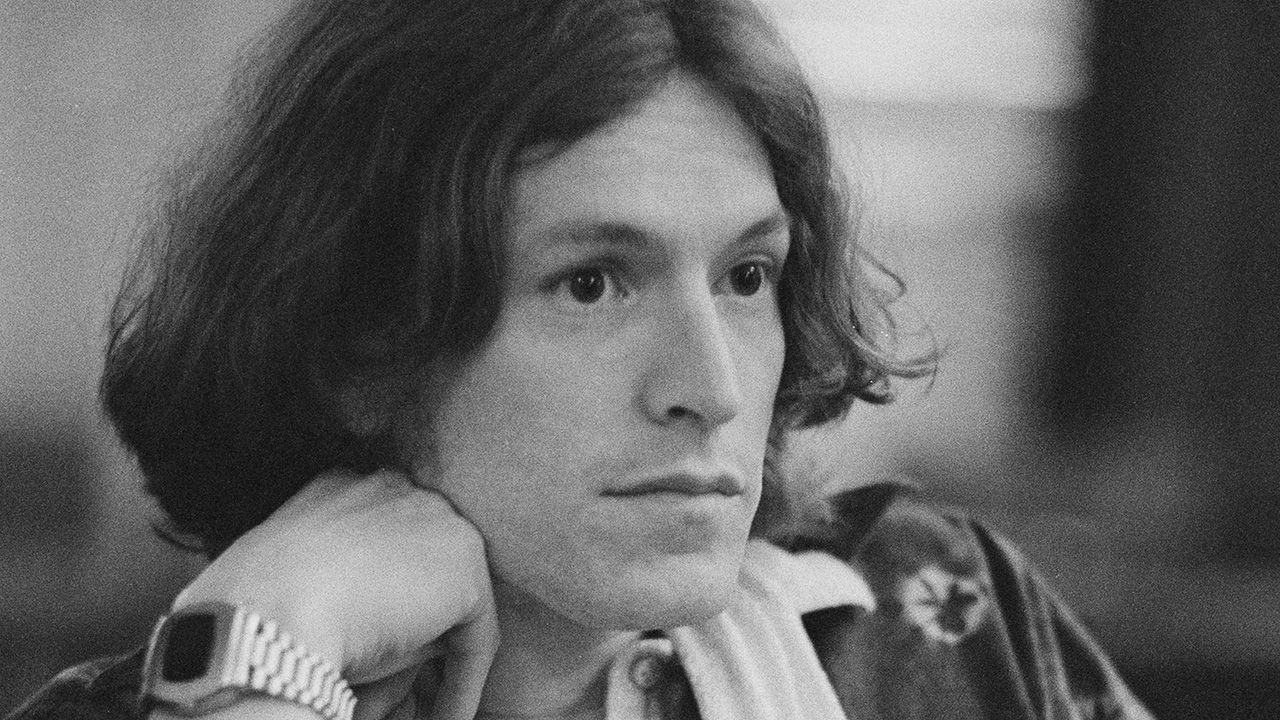
Traffic, led by Steve Winwood, embarked on a creative journey in the early 70s, producing three groundbreaking progressive albums. The band's origins can be traced back to their debut album, "Mr. Fantasy," released in 1967. The group, consisting of Winwood, Dave Mason, Jim Capaldi, and Chris Wood, experimented with psychedelic sounds and whimsical tunes.
After a brief stint with supergroup Blind Faith and other projects, Winwood reunited with Capaldi and Wood to form a new iteration of Traffic. With Winwood as the undisputed leader, the band delved into a more expansive and diverse musical landscape. Their album "John Barleycorn Must Die" marked a significant shift in their sound, blending folk rock influences with a celestial vibe.
The band's lineup underwent changes due to personal tragedies and conflicts, leading to a series of tours and studio albums. Despite internal struggles and external pressures, Traffic continued to push musical boundaries and captivate audiences with their live performances. However, the band's journey was marred by substance abuse, mental health issues, and untimely deaths.
As Traffic evolved and experimented with different musical styles, their final album, "When The Eagle Flies," reflected a return to their roots. The band's last tour in 1974 showcased their musical prowess but also hinted at underlying tensions and fatigue. Ultimately, Winwood decided to disband Traffic, citing burnout and a desire to pursue other musical endeavors.
Following Traffic's disbandment, Winwood and Capaldi pursued solo careers, while Wood struggled with personal demons and health issues. The band's legacy lives on through their innovative music and enduring influence on the progressive rock genre. Despite the challenges they faced, Traffic's journey remains a testament to their quest for originality and artistic expression.