The Night Gwen Stacy Died: A Pivotal Moment in Spider-Man History
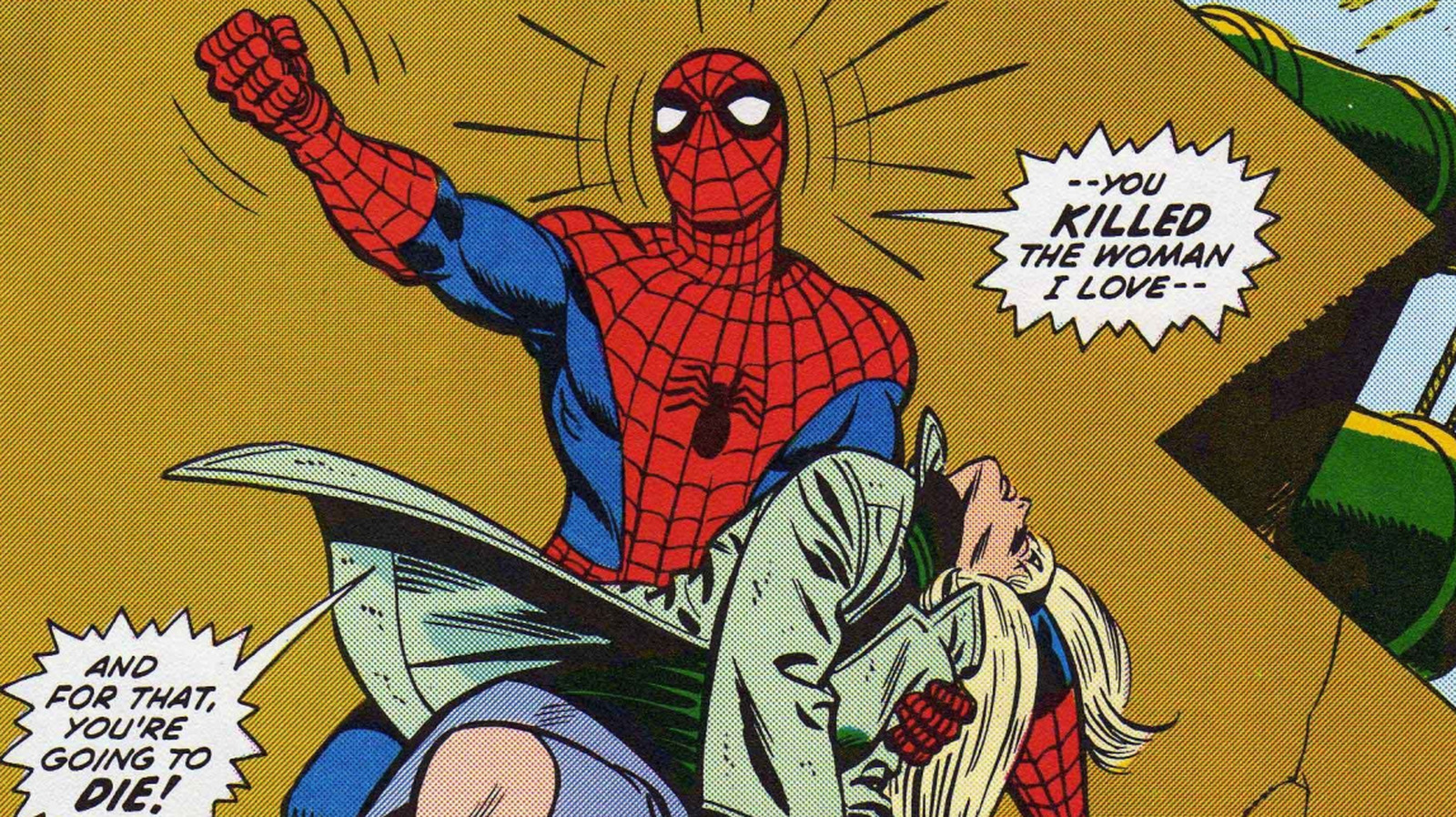
The iconic two-issue story arc titled "The Night Gwen Stacy Died" was featured in "The Amazing Spider-Man" issues #121 and #122, released in June and July of 1973. This storyline is widely recognized as a pivotal moment in Spider-Man's history, as it marked the tragic demise of Gwen Stacy, Peter Parker's girlfriend at the time. The Green Goblin, one of Spider-Man's adversaries, played a crucial role in Gwen's death, leading to a heartbreaking and unforgettable moment in comic book history.
During the storyline, the Green Goblin kidnapped Gwen Stacy and used her as bait to lure Spider-Man into a confrontation on a bridge. In a harrowing turn of events, the Green Goblin ultimately caused Gwen to fall from the bridge, prompting Spider-Man to attempt a daring rescue. Tragically, Gwen's life was cut short when Spider-Man's attempt to save her inadvertently resulted in her death. This heartbreaking event has resonated with fans for decades and is considered a significant moment in the medium of comic books.
Gerry Conway, the talented writer behind "The Night Gwen Stacy Died," has shed light on the creation of this impactful storyline. Despite initial claims that Stan Lee, Marvel's legendary figurehead, had little involvement in Gwen's death, Conway revealed that Lee had approved the storyline and only distanced himself from it in response to fan backlash. The death of Gwen Stacy has been analyzed as a pivotal moment in the evolution of superhero comics, marking a shift from the Silver Age to the Bronze Age of the industry.
The death of Gwen Stacy sparked a wave of outrage among fans, who expressed their displeasure by inundating Marvel with angry letters. Stan Lee's attempt to distance himself from the storyline and place the blame on Conway's shoulders caused tension within the industry. Conway, who was relatively young at the time of Gwen's death, found himself at the center of controversy and faced criticism from fans and industry insiders alike. Despite the challenges he faced, Conway continued to contribute to Marvel's legacy as a writer for many years.
The aftermath of Gwen Stacy's death left a lasting impact on Gerry Conway, who reflected on the experience and the pressure he faced as a young writer in the comic book industry. Stan Lee's decision to shift blame onto Conway had a profound effect on the budding writer, highlighting the challenges and complexities of working in a creative industry. Despite the tumultuous events of the 1970s, Conway persevered and continued to make significant contributions to Marvel Comics throughout his career. The legacy of Gwen Stacy's death endures as a poignant moment in comic book history, showcasing the emotional depth and complexity of superhero storytelling.