Trump-Xi Summit: Navigating U.S.-China Relations in Beijing
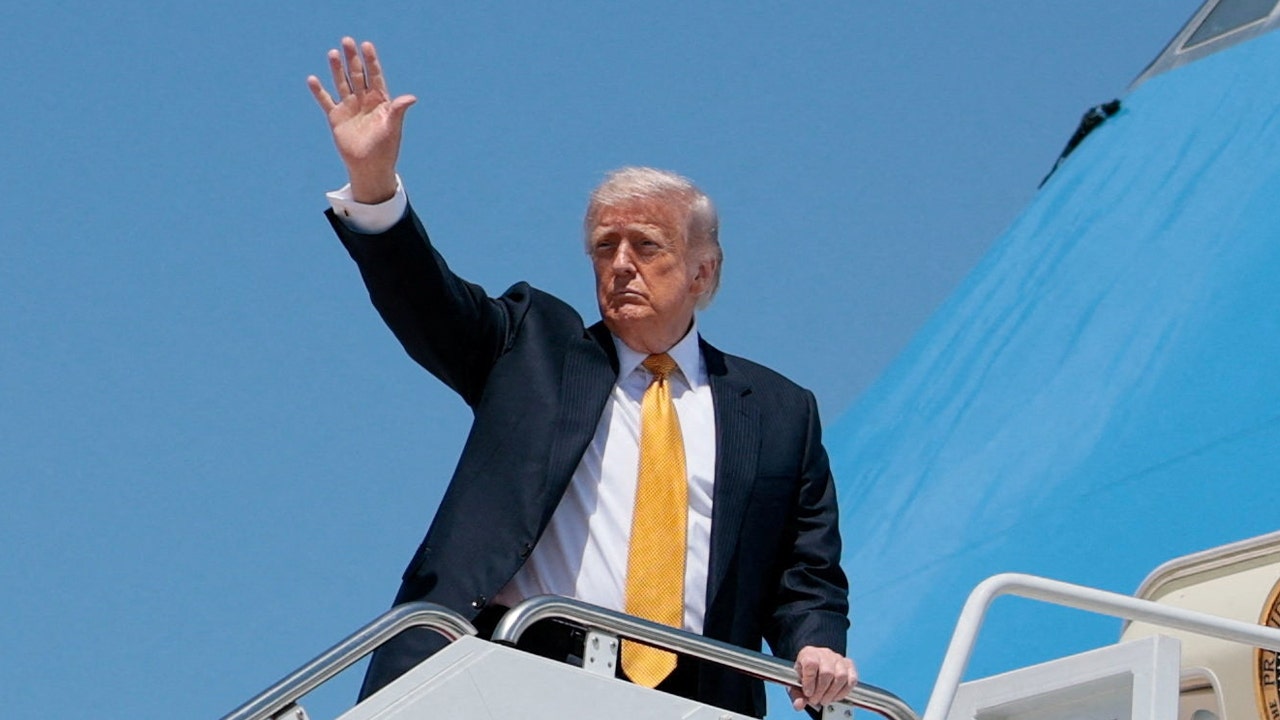
President Donald Trump is scheduled to visit Beijing for crucial talks with Chinese President Xi Jinping, focusing on Taiwan, trade, and the complex U.S.-China relationship shaped by military tensions and economic competition. The meeting occurs amidst escalating tensions between the U.S. and Iran, adding strain to the situation. Trump is expected to address China's support for Iran and Russia, particularly in economic and strategic aspects, during the discussions.
Accompanying Trump are top U.S. business leaders from companies like Apple, Boeing, Tesla, BlackRock, and Goldman Sachs, underscoring the administration's emphasis on securing economic agreements alongside strategic dialogues. The agenda includes discussions on artificial intelligence, cybersecurity, and China's expanding nuclear program, areas marked by deep mistrust and limited progress despite ongoing communication channels.
On the economic front, the administration is concentrating on targeted trade arrangements, proposing a U.S.-China "Board of Trade" to manage commerce in non-sensitive goods, initially focusing on sectors like agriculture and aerospace. This summit marks the second meeting between Trump and Xi in the current administration, with the last face-to-face encounter occurring at the Busan Summit in South Korea in October 2025.
The talks follow over a year of tariff escalations and uneasy truces between the U.S. and China, with efforts to stabilize a strained trade relationship marred by export controls, rare earth disputes, and retaliatory duties. Despite a temporary trade truce reached in 2025, underlying disputes persist, reflecting Trump's initial aggressive trade stance towards China and subsequent retaliatory measures.
Discussions in Beijing are anticipated to cover potential extensions of rare earth export arrangements, increased Chinese purchases of U.S. agricultural products and aircraft, and the firm U.S. stance on Taiwan. The U.S. has approved more arms sales to Taiwan in Trump's first year than in the previous administration, signaling Washington's unwavering defense commitments amid ongoing negotiations with Beijing.
In conclusion, the upcoming summit between President Trump and President Xi Jinping in Beijing holds significant implications for the U.S.-China relationship, with discussions spanning critical issues such as trade, Taiwan, and strategic cooperation. The outcome of these talks could shape the trajectory of bilateral relations and global economic dynamics in the coming years.