Legal Showdown: Trump Administration vs. U.S. Law Firms - Executive Orders and First Amendment Rights
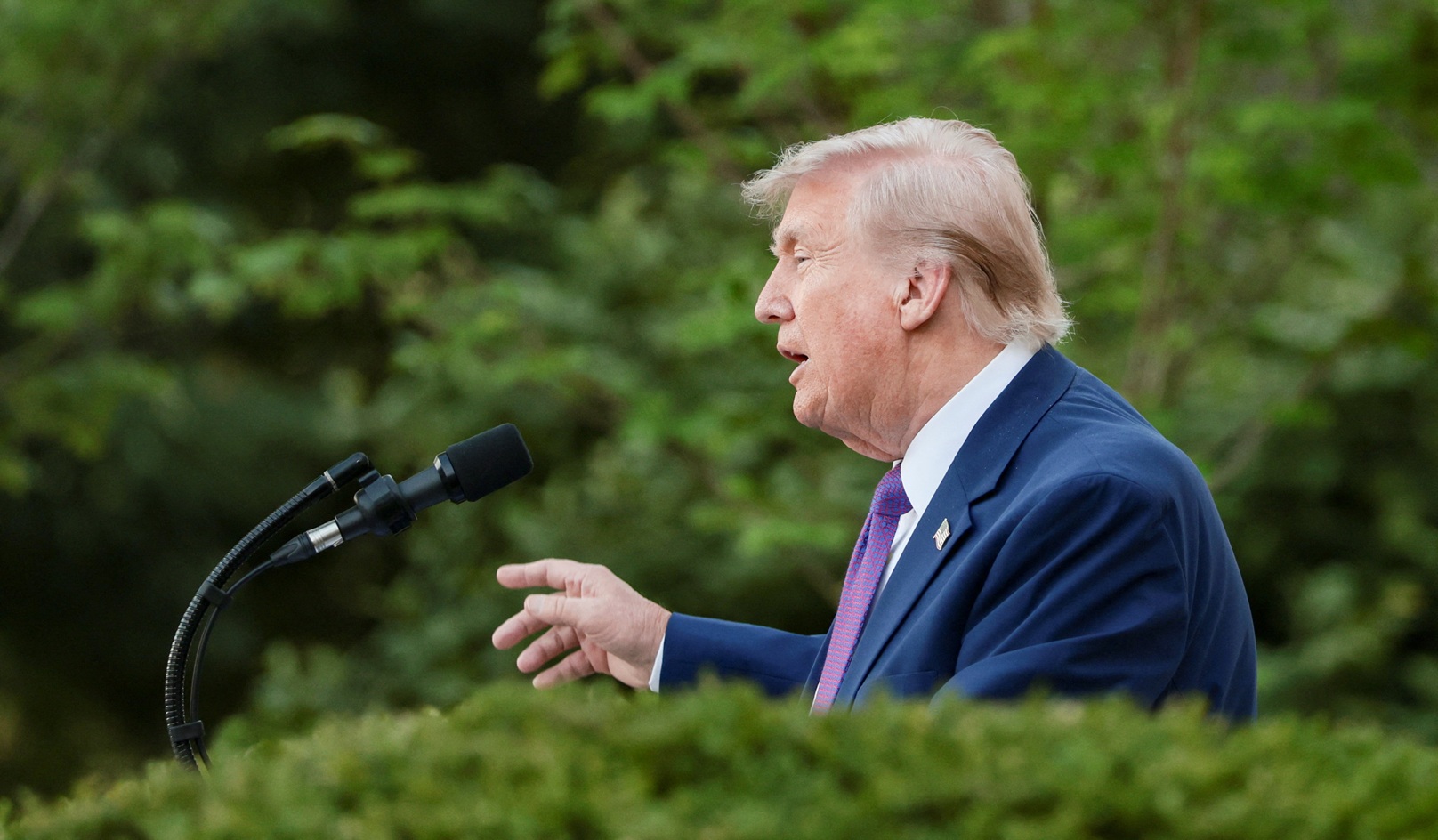
President Donald Trump's administration faced a federal appeals court panel to revive executive orders targeting four major U.S. law firms. The administration argued that a law firm's commercial associations are not protected by the First Amendment, while the law firms contended that the orders infringed on their ability to represent clients zealously. The targeted firms, including Perkins Coie and WilmerHale, won lower court victories against the orders, which cited their legal work, hiring practices, and political ties.
The executive orders sought to restrict the firms' lawyers' access to federal buildings, terminate government contracts held by their clients, and revoke employees' security clearances. The panel of judges questioned the administration's broad authority, with one judge questioning the president's ability to revoke security clearances for reasons unrelated to trustworthiness. The Justice Department argued that the cases were about presidential power in national security matters, not the sanctity of law firms.
The law firms received support from legal organizations like the American Bar Association in urging the appeals court to reject the administration's appeals. The firms argued that they were targeted for representing clients that angered the president. Some firms settled with the administration to avoid similar orders. The appeals court also heard an appeal regarding the government's attempt to strip lawyer Mark Zaid of his security clearance. The rulings in these cases could be appealed to the Supreme Court.
In conclusion, the legal battle between President Trump's administration and major U.S. law firms over executive orders targeting their legal work and associations raises questions about the limits of presidential power and the protection of lawyers' ability to represent clients. The outcome of these cases could have far-reaching implications for the relationship between the executive branch and the legal profession.