Trino Motion Pictures: A Decade of African Storytelling and International Expansion
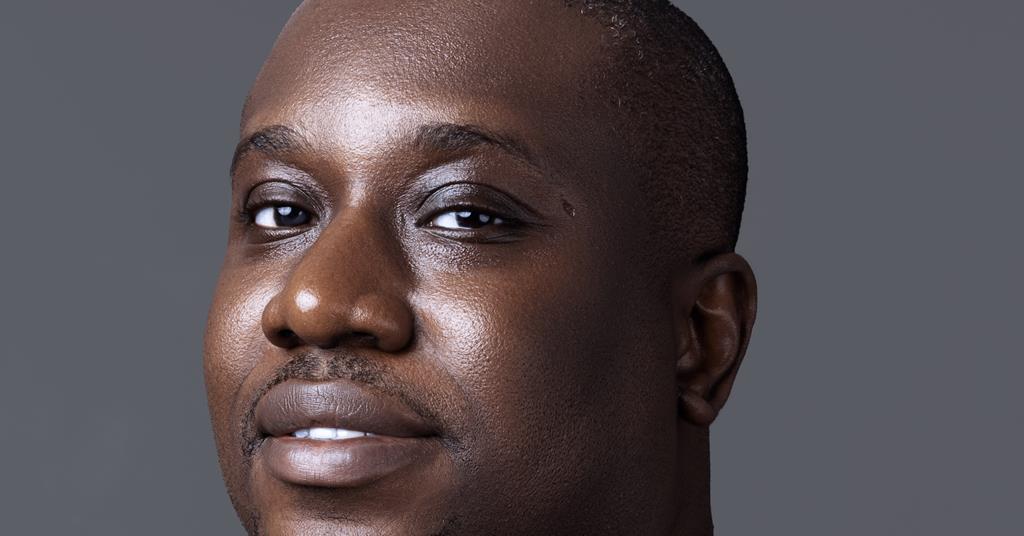
Trino Motion Pictures, a Nigerian studio founded by Uche Okocha and Babatunwa Aderinokun, is marking its 10th anniversary by venturing into international sales alongside its production and distribution activities. The studio's sales slate features around 16 films, including in-house productions like Daniel Oriahi’s thriller "The Weekend," which has secured deals with HBO Max in Eastern Europe and Canal+ for French-speaking territories.
In addition to its in-house productions, Trino has acquired titles such as "Aljana," "To Adaego With Love," and "Dead Tide." Okocha, the co-founder and managing director of Trino, aims to strengthen the studio's international relationships, especially in light of the US streamers' withdrawal from the African market, prompting the shift towards international sales.
Trino is also collaborating with the streaming platform Kava, founded by Nigeria’s Filmhouse Group and Inkblot Studios, to release select titles like "The One For Sarah" and "Love Lockdown." While the studio has primarily focused on VoD deals, Okocha is looking to expand into theatrical distribution, particularly targeting the UK and Canada markets.
At Cannes, Okocha is eager to explore co-production opportunities with the Brazilian industry, considering the sizable Yoruba community in Brazil. Despite past challenges due to the lack of tax incentives in Nigeria, Okocha remains hopeful for potential changes in the future, as it could benefit the industry and foster more collaborations.
Since its establishment in 2016, Trino Motion Pictures has remained committed to producing globally appealing African stories that showcase the continent's authenticity. While the core mission of telling African stories has remained constant, the studio has witnessed significant changes in distribution, storytelling quality, production standards, and the evolving landscape of Nigerian film and TV industry.