Scorsese's Cinematic Influences: A Look at His Top 10 Favorite Films
Martin Scorsese, a renowned director, has made significant contributions to the film industry with his masterpieces that have reshaped cinema. His advocacy for film preservation has rescued numerous movies from obscurity, enriching the cinematic landscape. Scorsese's top 10 favorite films span various genres, styles, and themes, offering a glimpse into the boundless possibilities of cinema. These influential titles, listed alphabetically, reflect the diverse influences on Scorsese's directorial endeavors.
Scorsese's film preferences showcase a predilection for movies released before 1960, possibly influenced by the impactful films of his youth or his appreciation for past filmmaking eras. Despite his affinity for older films, Scorsese also celebrates contemporary cinema, acknowledging the quality and innovation in recent releases. Notably, Stanley Kubrick's 1968 sci-fi masterpiece, "2001: A Space Odyssey," stands out as the most recent film on his list, highlighting its enduring impact on Scorsese.
Federico Fellini's "8 1/2" holds a special place in Scorsese's heart, earning the nickname "The Maestro" from the director. The film's inventive storytelling, visual creativity, and thematic depth resonated with Scorsese, influencing his own directorial choices. Fellini's visionary work continues to inspire Scorsese's films, evident in the innovative camerawork and thematic explorations present in his projects.
"Andrzej Wajda's "Ashes and Diamonds" portrays the post-World War II turmoil in Poland, depicting the lingering violence and unrest despite the war's end. Scorsese's admiration for the film's uncompromising portrayal of historical complexities reflects his penchant for gritty and thought-provoking narratives. The enduring impact of "Ashes and Diamonds" on Scorsese's cinematic sensibilities underscores the film's lasting relevance.
Orson Welles' groundbreaking debut, "Citizen Kane," revolutionized American cinema and left a lasting impression on Scorsese. The film's exploration of complex characters and societal themes resonates with Scorsese's directorial approach, evident in his nuanced portrayals of iconic figures in his films. "Citizen Kane" remains a touchstone for Scorsese, inspiring his storytelling and character development.
Robert Bresson's "Diary of a Country Priest" delves into the spiritual struggles of a priest in a small French town, challenging his faith and convictions. Scorsese's admiration for the film's bleak yet profound exploration of human frailty is reflected in his own works, particularly in "Silence" and "Taxi Driver." Bresson's visual and tonal mastery in "Diary of a Country Priest" continues to influence Scorsese's thematic and stylistic choices.
Akira Kurosawa's "Ikiru" follows a terminally ill man's quest for meaning and redemption, prompting viewers to contemplate life's brevity and purpose. Scorsese's reverence for Kurosawa's poignant storytelling and powerful performances is evident in his admiration for "Ikiru." The film's exploration of existential themes and emotional depth resonates with Scorsese's cinematic sensibilities, inspiring his own narrative explorations.
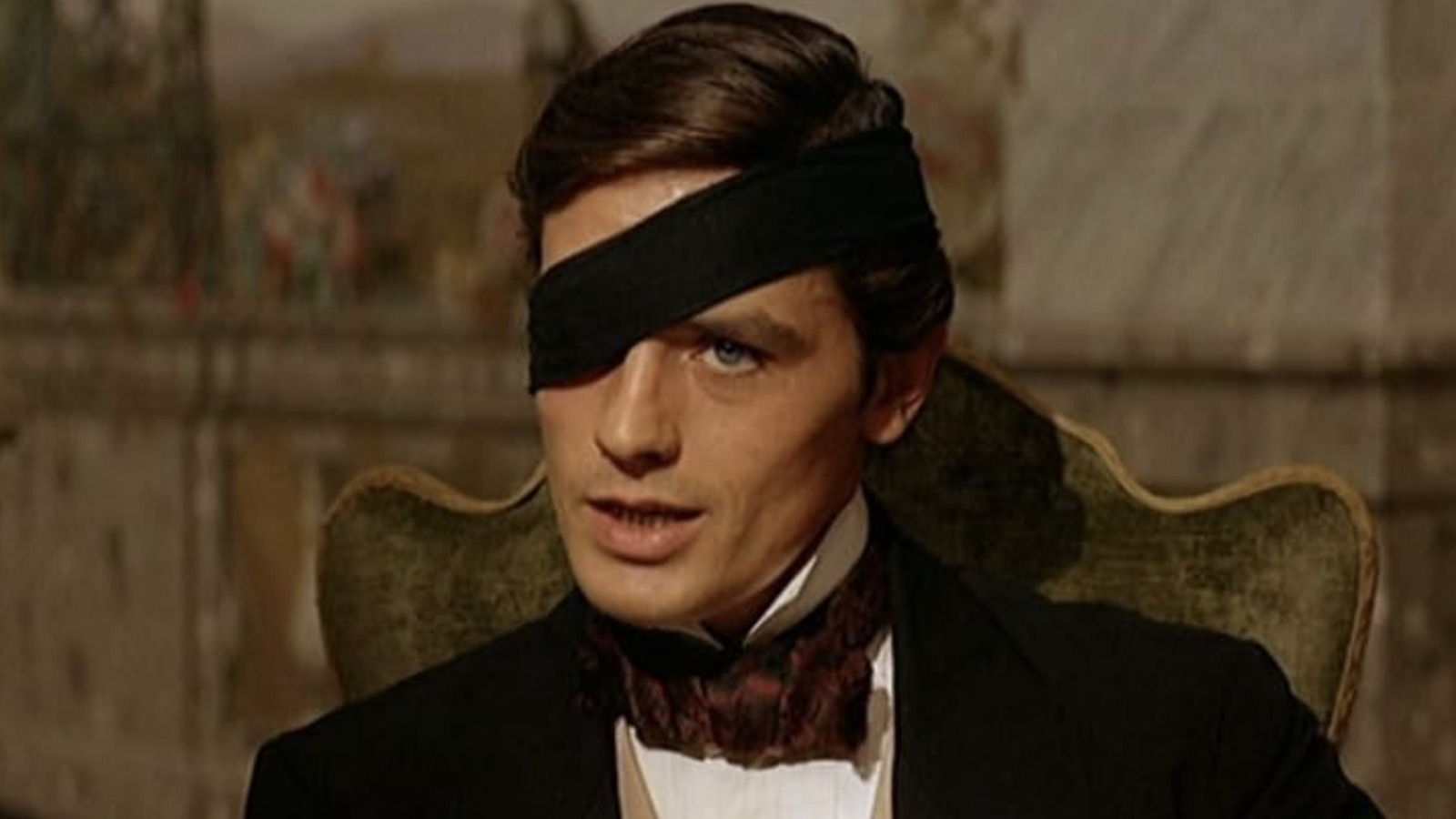
Luchino Visconti's "The Leopard," set in 1860s Italy, portrays a wealthy family grappling with societal changes while clinging to their privileged lifestyle. Scorsese's deep connection to the film led to its meticulous restoration, underscoring his admiration for its grand scope and attention to detail. The film's thematic richness and visual grandeur have influenced Scorsese's epic narratives, such as "The Irishman" and "Killer of the Flower Moon."
Carl Theodor Dreyer's "Ordet" explores the complexities of faith and family dynamics, challenging characters' beliefs in the face of tragedy. Scorsese's appreciation for the film's nuanced portrayal of theological themes and compelling performances reflects his own exploration of religion in his films. "Ordet's" visual precision and emotional depth resonate with Scorsese's approach to storytelling, highlighting the enduring power of religious cinema.
In conclusion, Martin Scorsese's top 10 favorite films offer a diverse and insightful look into his cinematic influences and storytelling preferences. From classic masterpieces to groundbreaking debuts, these films have left an indelible mark on Scorsese's directorial legacy, shaping his narrative choices and thematic explorations. Scorsese's deep appreciation for these films underscores his passion for cinema and his commitment to storytelling excellence.