Violence and Uncertainty: Challenges Facing Colombia's Presidential Election
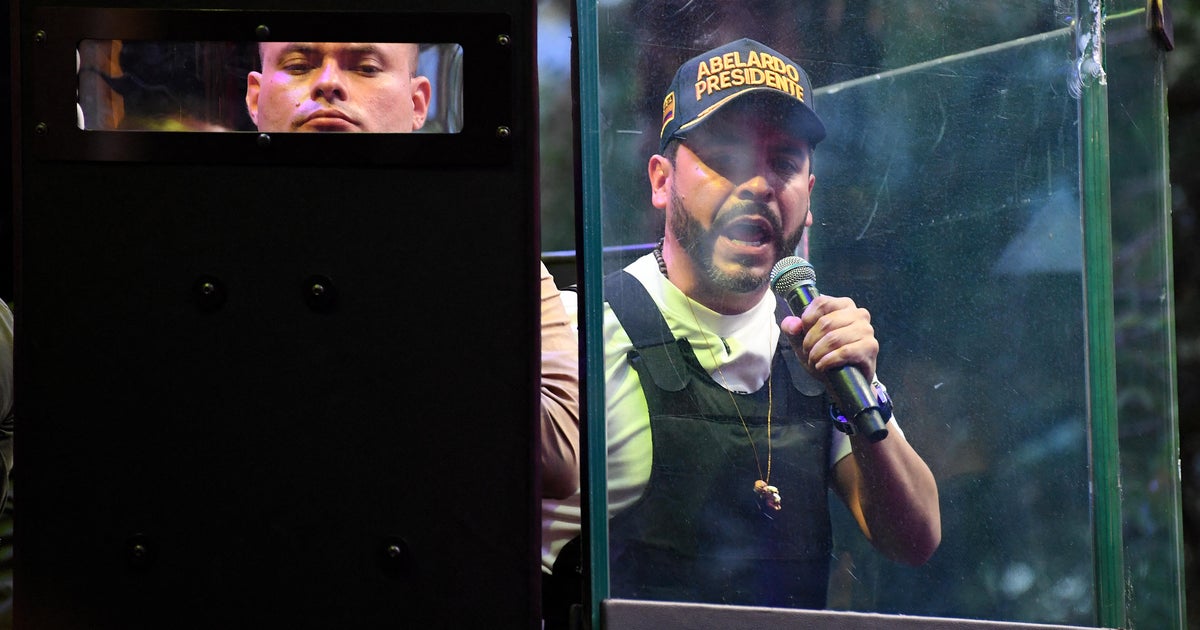
Two campaign staffers working for a right-wing candidate in Colombia's upcoming presidential election were tragically shot and killed by gunmen on motorcycles in the central-west Meta Department. The candidate, Abelardo de la Espriella, confirmed the deaths, highlighting the region's significance as a stronghold of rebel fighters who opposed the 2016 peace accord with the FARC guerrilla army and a hub for cocaine trafficking.
The killings have raised concerns about security in the lead-up to the May 31 election, with the government's citizens' rights ombudsman emphasizing the impact on people's ability to participate in the electoral process. The violence underscores the challenges facing Colombia as it grapples with a surge in killings and rebel attacks, prompting candidates like de la Espriella and Ivan Cepeda to take precautions due to death threats they have received.
Colombia's first leftist president, Gustavo Petro, is set to be replaced in the upcoming election, but the country's security situation remains precarious. The kidnapping of Cepeda's vice presidential running mate earlier this year by rebels opposed to the peace accord further highlights the risks faced by political figures in Colombia. The assassination of presidential hopeful Miguel Uribe last year by a renegade group serves as a grim reminder of the dangers associated with political campaigns in the country.
In the midst of escalating violence and security threats, the upcoming presidential election in Colombia is fraught with uncertainty and risks for candidates and their campaign staff. The recent killings of two campaign staffers underscore the challenges facing the country as it navigates a complex political landscape marred by violence and conflict. As the election draws near, concerns about security and the safety of candidates and voters loom large, casting a shadow over the democratic process in Colombia.